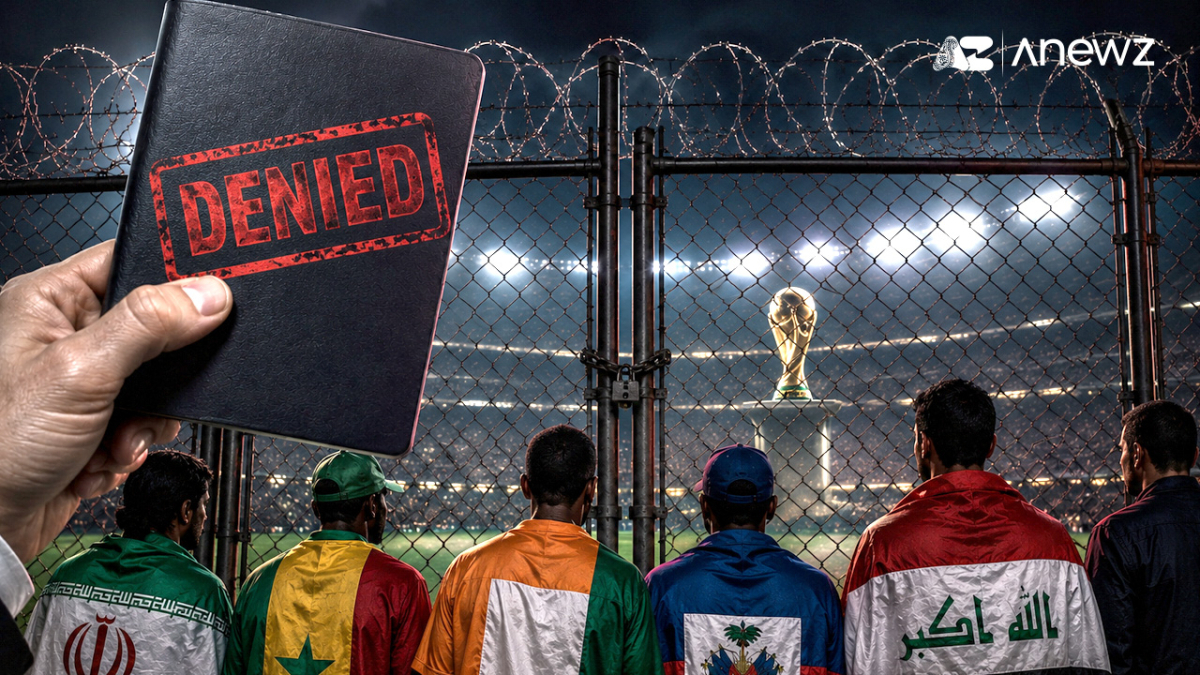
As the 2026 World Cup kicked off on 11 June across North America, U.S. visa restrictions and travel policies have made it impossible for supporters, football officials and even a FIFA-appointed referee to attend. It's raised a lot of questions about access to such a high-profile global event.
The 2026 FIFA World Cup, jointly hosted by the United States, Canada and Mexico, is the largest edition of the tournament to date. Yet visa disputes and travel-related controversies involving the United States have cast a shadow over what is traditionally a global celebration of football.
From football officials and match referees barred from entering the country to supporters struggling to secure visas, a series of high-profile cases has raised questions about access to an event intended to bring together fans and participants from around the world.
Here is a look at the controversies that have emerged ahead of and during the tournament:
Visa denials for federation presidents and FIFA referees
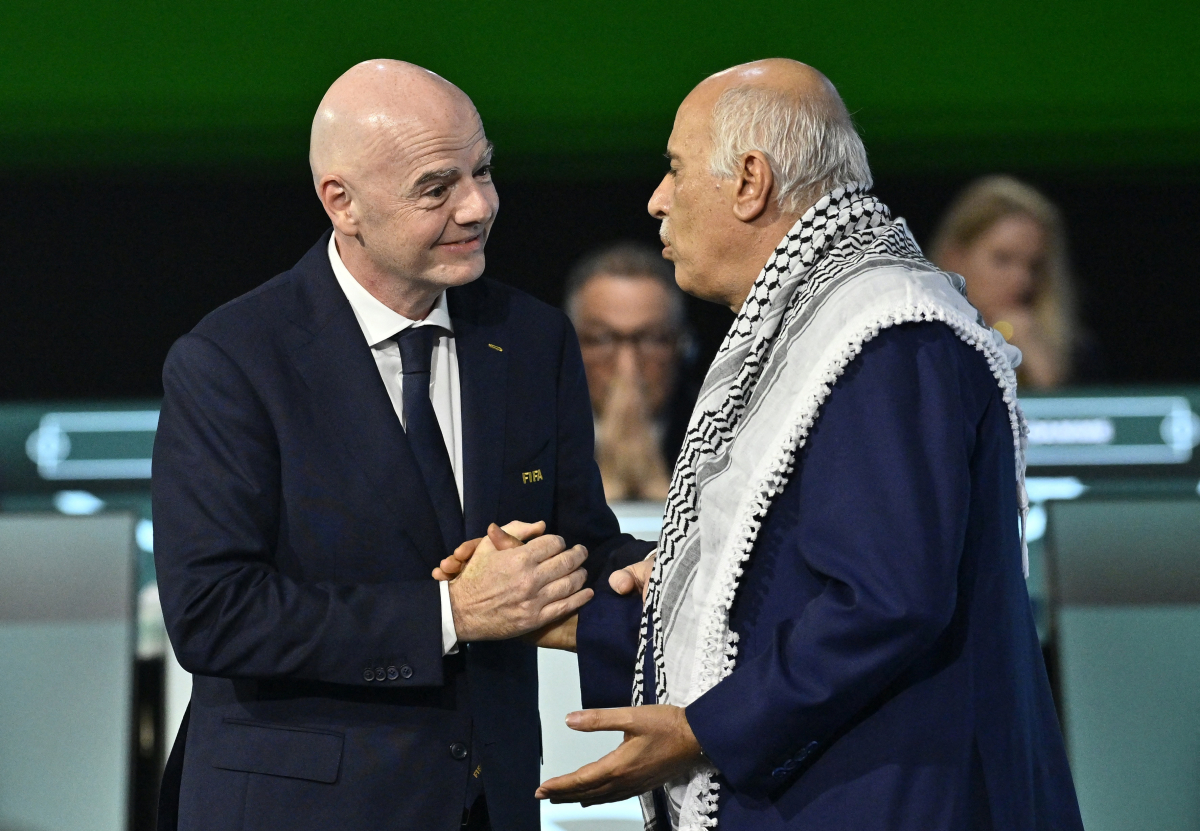
The latest case involves Palestinian Football Association President Jibril Rajoub, who said the United States refused to grant him a visa to attend the FIFA World Cup, even though he was invited in his capacity as head of the Palestinian Football Association. According to Rajoub, he remains in Mexico awaiting authorisation to travel to the United States. U.S. authorities have not commented.
Before Rajoub, controversy surrounded award-winning Somali referee Omar Abdulkadir Artan. Despite holding a valid U.S. visa and being appointed by FIFA for the tournament, Artan was denied entry upon arrival, preventing him from becoming the first Somali referee to officiate at a World Cup. U.S. authorities cited security-related concerns, alleging links to terrorist organisations. Artan has rejected those claims and was forced to return to Somalia.
The difficulties have not been limited to football officials, however, and have also affected players: Iraq's preparations were disrupted, with team photographer Talal Salah denied entry and detained for more than 10 hours. Striker Aymen Hussein was questioned for nearly seven hours before he was allowed into the country. Switzerland striker Breel Embolo joined his teammates late, after his U.S. visa was delayed due to additional security checks linked to a previous legal case.
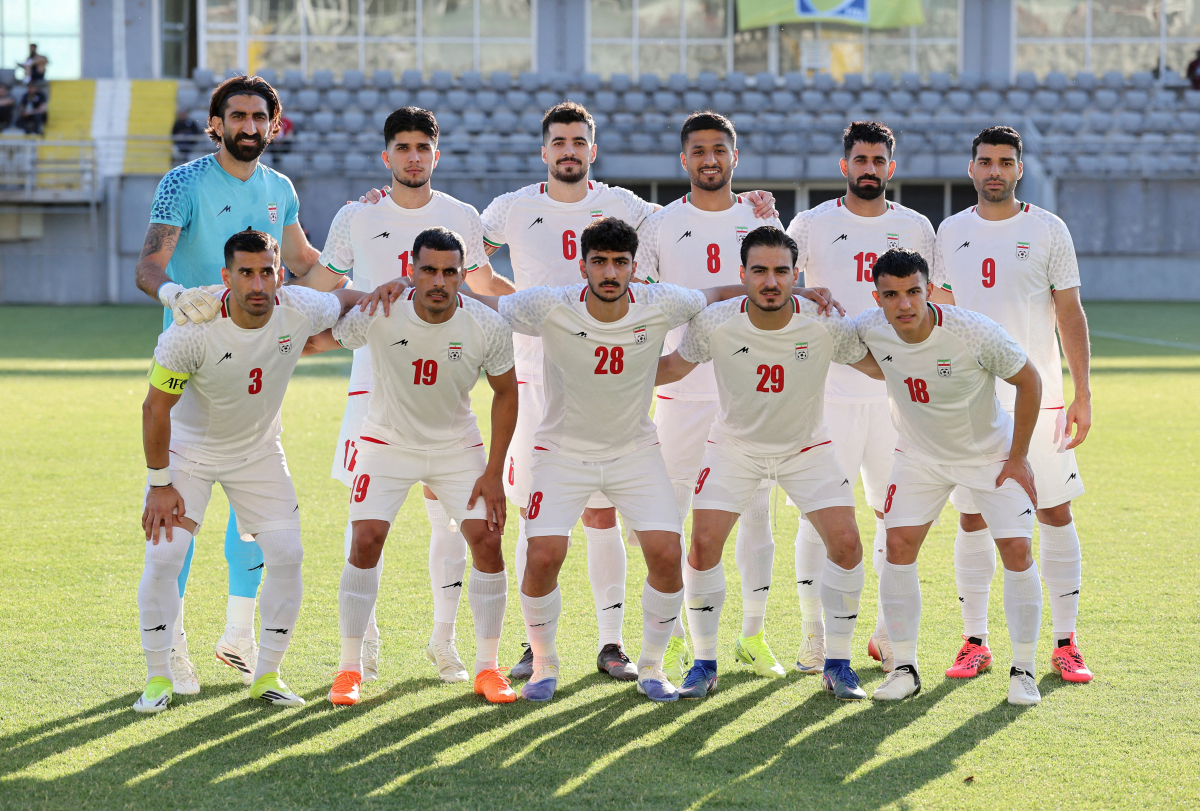
The issue has also - notoriously - affected Iran's participation in the tournament. Iranian state media says 15 officials have been denied a visa to the U.S. amid the war with Iran. While the Iranian national team and its delegation were granted entry to play their matches in the United States, Iranian officials say they are not permitted to remain in the country between matches and must leave after each game.
Visa denials for some fans
Supporters have also faced obstacles in attending the tournament. Iran has claimed that its fan ticket allocation was revoked a week before its opening match against New Zealand in Los Angeles. Responding to criticism, a U.S. State Department spokesperson said: "We will not allow the Iranian team to abuse this system to sneak terrorists into the United States under false pretences."
The challenges extend beyond Iran. Haitian supporters face severe restrictions on entry to the United States, while fans from several other participating nations must contend with lengthy visa procedures and high refusal rates. According to U.S. government data, visa refusal rates for applicants from countries including Uzbekistan and Ecuador have hovered around 40%, creating uncertainty for many supporters hoping to attend the tournament.
Disappointment for fans
The difficulties have already had tangible consequences. On 12 June, Côte d'Ivoire's official supporters' association announced it was cancelling a planned trip involving 500 fans after a number of members were unable to obtain U.S. visas. U.S. authorities have not publicly commented on the decision.
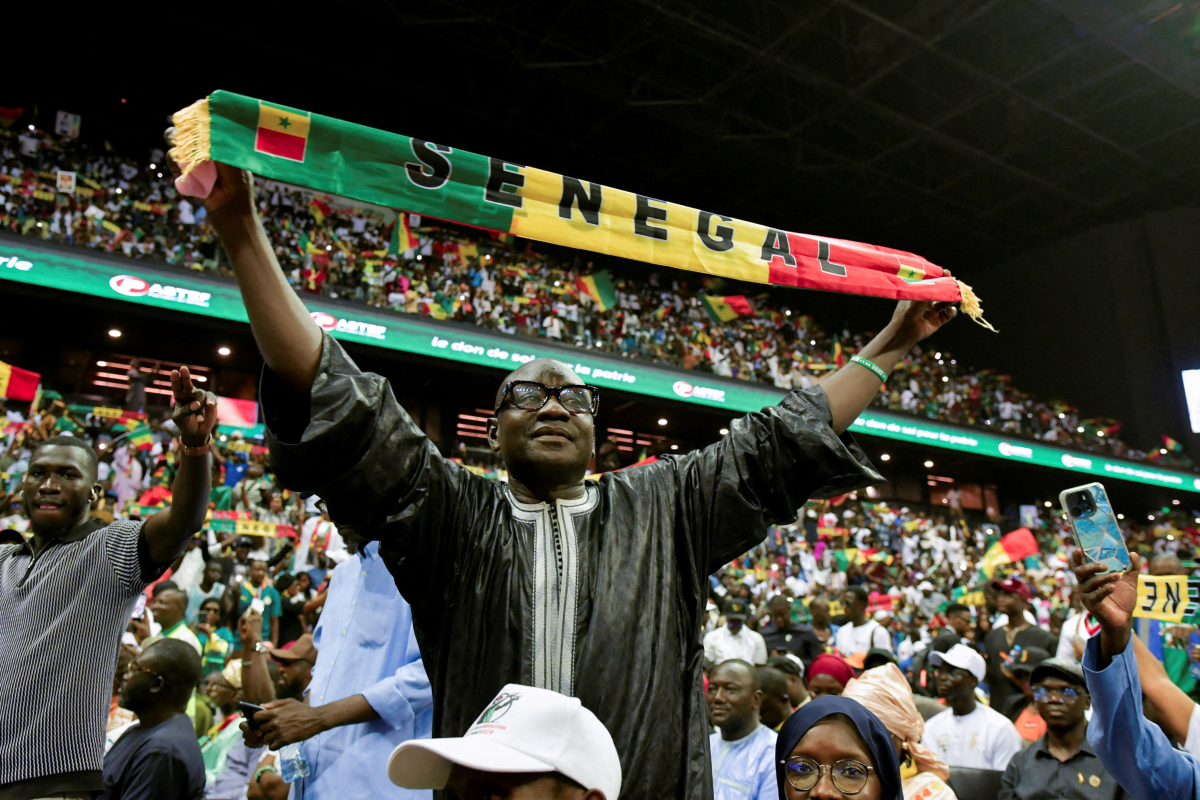
For Senegalese supporters, attending the World Cup has also proved challenging. Visa refusals and processing delays have fuelled concerns that many fans could miss the tournament despite having secured tickets and travel arrangements. In addition, according to reports cited by several African media outlets, two members of the Senegal Football Federation were denied U.S. visas ahead of the World Cup. Neither U.S. authorities nor the federation have publicly commented on the reported cases.
Although the policy was ultimately reversed, the United States had for several weeks planned to require visitors from five African countries that qualified for the World Cup—Algeria, Senegal, Tunisia, Cape Verde and Côte d'Ivoire—to pay visa bonds of up to $15,000 in order to attend the tournament. Following widespread criticism, the U.S. State Department announced on 13 May that World Cup ticket holders from those countries would be exempt from the requirement.
How 2026 compares with past tournaments
The contrast with previous World Cup tournaments is striking. While host nations have always retained the right to deny entry on security grounds, recent tournaments generally introduced measures designed to facilitate travel for supporters rather than restrict it.
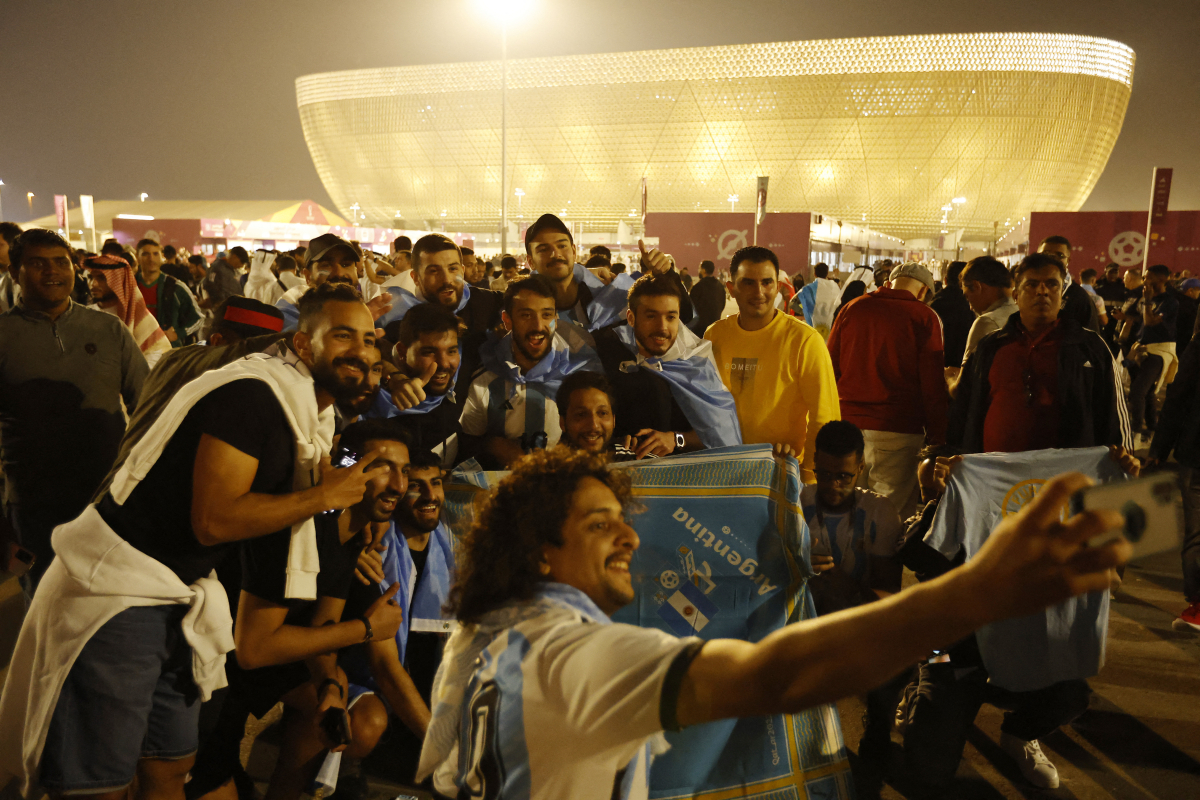
For the 2010 World Cup, South Africa introduced special event visas and dedicated processing systems for football supporters. Ticket holders from countries requiring visas benefited from simplified procedures, while some fans were granted free visas on arrival. Brazil adopted a similar approach in 2014.
Russia went further in 2018 by introducing the FAN ID system, which allowed foreign supporters to enter the country visa-free with a match ticket and fan identification card. The programme also provided free transport on match days and was later extended beyond the tournament. Qatar adopted a comparable model in 2022 through the Hayya Card, which served both as a fan identification document and an entry permit.
The United States has taken a different approach. Rather than creating a visa-free or visa-light entry system, Washington has maintained its existing immigration framework. FIFA's own guidance emphasises that a World Cup ticket does not guarantee entry and that supporters remain subject to standard visa requirements and security screening. U.S. officials have defended visa denials and travel restrictions on national security grounds, arguing that entry decisions must continue to be assessed on a case-by-case basis.
Setting a precedent in 2026
While previous World Cups were not entirely free of visa disputes, there is little precedent in recent tournament history for the scale and diversity of cases reported in 2026. These have affected supporters, football officials, federation staff, accredited personnel and even a FIFA-appointed referee.
The World Cup is intended to bring the world together through football. Yet for some supporters, officials and even participants, the greatest challenge of this tournament has been crossing the border rather than stepping onto the pitch. Whether these controversies remain isolated incidents or become a lasting feature of the tournament, one thing is clear: visa and border policies have emerged as one of the defining off-field issues of the 2026 World Cup.















What is your opinion on this topic?
Leave the first comment