Legions of security officers and police are being deployed for the 2026 FIFA World Cup as organisers prepare for what officials describe as an unprecedented security challenge to protect fans, players and venues across North America.
Security measures were already visible during a send-off match in Chicago, where the U.S. faced Germany.
Fans encountered a heavy police presence, with municipal vehicles forming protective barriers around the stadium and strict screening procedures in place before entry.
Geopolitical tensions raise concerns
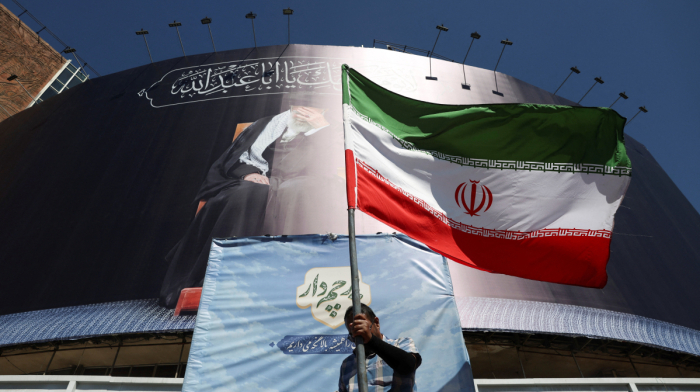
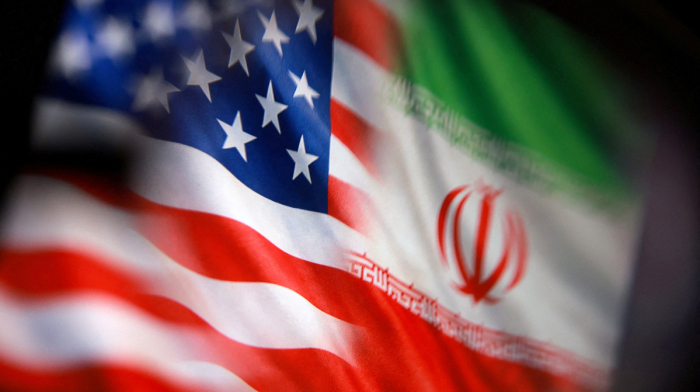
One of the major concerns surrounding the tournament is the broader geopolitical climate, particularly ongoing tensions linked to the U.S.-Iran conflict, which security analysts say have heightened threat perceptions.
Risks beyond stadium grounds
Security experts say the most difficult challenge will not be securing the stadiums themselves, but protecting so-called "soft targets" such as car parks, restaurants and fan gathering areas around match venues.
Former Federal Bureau of Investigation special agent Richard Kolko said stadiums are easier to defend because of controlled access and visible security infrastructure.
Authorities also plan to deploy anti-drone systems around stadiums.
The U.S. Department of Homeland Security has warned that drones remain one of the biggest security threats to large-scale sporting events.
With matches taking place across 16 cities in the U.S., Canada and Mexico, the 2026 World Cup will be the most geographically dispersed tournament in football history.
The total security operation is expected to cost more than $1 billion, involving federal agencies, local police forces and private security firms.
Read more:




















What is your opinion on this topic?
Leave the first comment