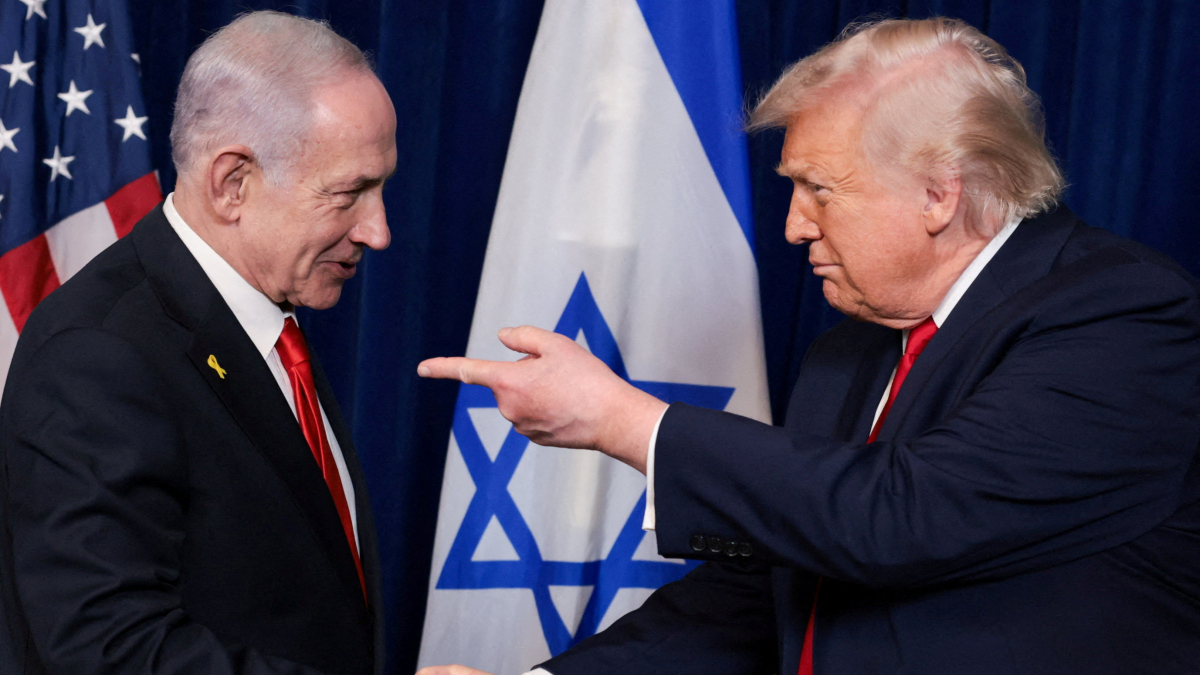
Israeli Prime Minister Benjamin Netanyahu has told U.S. President Donald Trump that Israel does not consider itself bound by a Lebanon-related provision in an emerging agreement with Iran, according to Israeli officials.
The reported clause is intended to halt military activity on several fronts, including Lebanon, as part of a broader effort to reduce tensions between Washington and Tehran. Israeli officials said Netanyahu made clear that Israel would not accept any arrangement that restricts its ability to act against Hezbollah.
According to the officials, Netanyahu also told Trump that Israeli forces would remain in their current positions in Lebanon and continue operations aimed at countering threats from Hezbollah.
Israeli ministers were said to have backed Netanyahu's position during a Security Cabinet meeting, viewing the issue as a key national security interest.
Concerns over Hezbollah
The dispute centres on Israel's insistence that it must retain freedom of action against Hezbollah, the Iran-backed group based in Lebanon.
Israeli officials argue that military operations are necessary to prevent Hezbollah from rebuilding its capabilities near the border and to protect communities in northern Israel.
Senior officials described the Lebanon provision as a matter on which Israel would need to "stand firm" if asked to make withdrawals or limit its operations.
According to one official, the United States understands that Israel regards the issue as non-negotiable.
Efforts to avoid escalation
Israeli officials also said they believe Iran has chosen not to retaliate following a recent Israeli strike in Beirut's southern suburbs, an area known as a Hezbollah stronghold.
Tehran had previously threatened a response, but Israeli officials assessed that diplomatic efforts and pressure from Washington helped prevent further escalation, amid concerns that renewed hostilities could jeopardise the emerging agreement.
Debate inside the cabinet
The issue prompted extensive discussion within the Security Cabinet over how Israel should respond if Iran were to launch future attacks.
Finance Minister Bezalel Smotrich reportedly argued that any response should focus on Lebanon rather than Iran itself. According to officials familiar with the discussions, he said that if Iran attempted to link developments in Lebanon to events involving Iran, Israel should "match and raise".
Officials said Smotrich proposed warning residents in Lebanon's Beqaa Valley before carrying out strikes against Hezbollah targets if Iran attacked Israel.
Supporters of the approach argued that operations in Lebanon would allow Israel to maintain pressure on Hezbollah while avoiding direct action that could undermine ongoing US diplomatic efforts with Tehran.
Energy Minister Eli Cohen also stressed the importance of deterrence while maintaining ties with Washington.
"We must not tear the rope with Trump, but the responses must be clear. If we respond, we must create deterrence," Cohen said.
Several ministers called for a stronger response. Minister Gila Gamliel said Israel should respond and "capture more territory from them", while Minister Orit Strock said Israel should impose a price that would make future attacks "not worthwhile".
Transportation Minister Miri Regev argued that Israel was "not a protectorate" and must "stop the ping-pong and get out of the equation".
In a post on X, National Security Minister Itamar Ben-Gvir said Israel would not consider itself constrained by the agreement, declaring that "Trump's agreement does not bind us" and vowing to dismantle Hezbollah.


















What is your opinion on this topic?
Leave the first comment