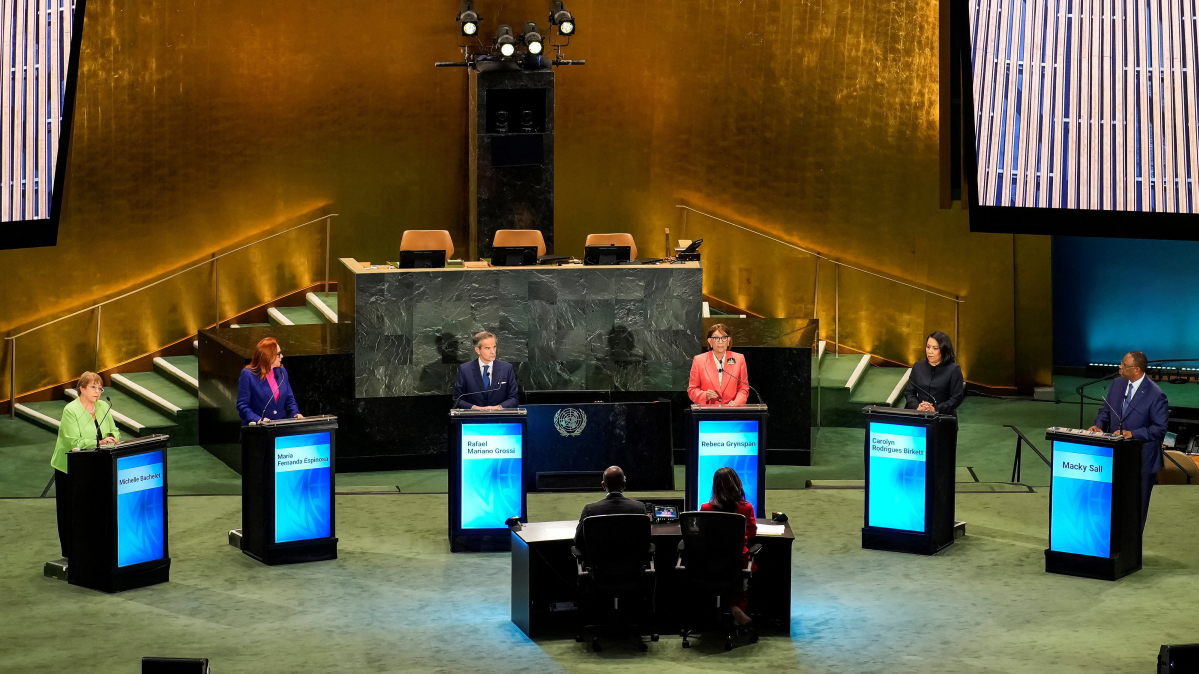
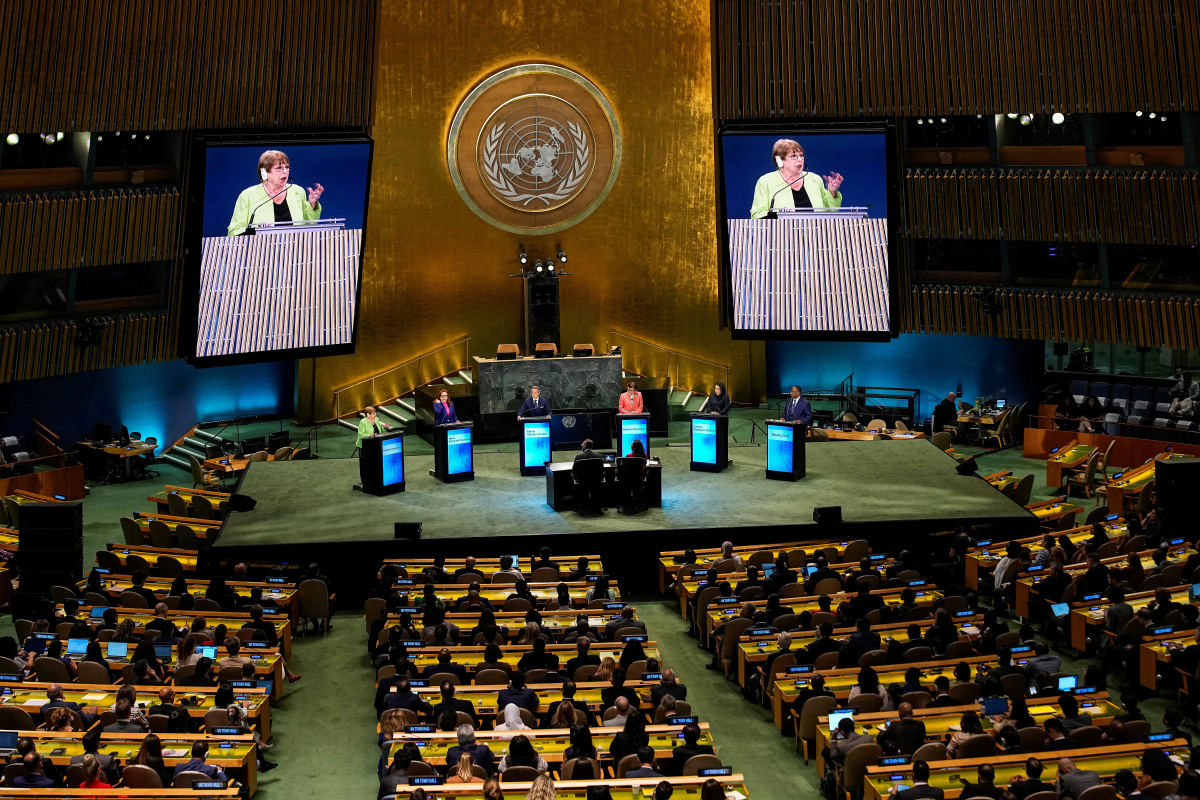
Six candidates vying to become the next United Nations Secretary-General have called for restoring the organisation's credibility, strengthening multilateralism and reforming the UN, during the first public town hall debate ahead of a decisive Security Council vote next week.
During the debate on 23 July the contenders for the UN's top post, largely agreed on the need to strengthen the organisation's role in conflict prevention, rebuild trust in multilateralism.
The debate focused on improving the effectiveness of the UN at a time of growing geopolitical tensions and financial challenges.
Candidates' platforms
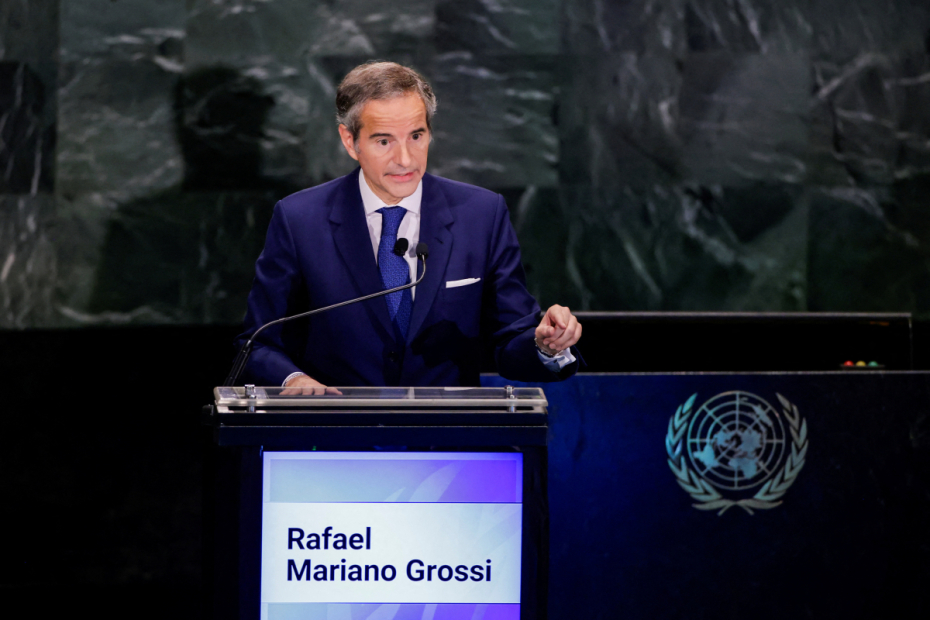
International Atomic Energy Agency Director General Rafael Grossi argued that rhetoric alone was insufficient, calling for a "new deal" between the United Nations and its member states while stressing the need to address the root causes of conflicts.
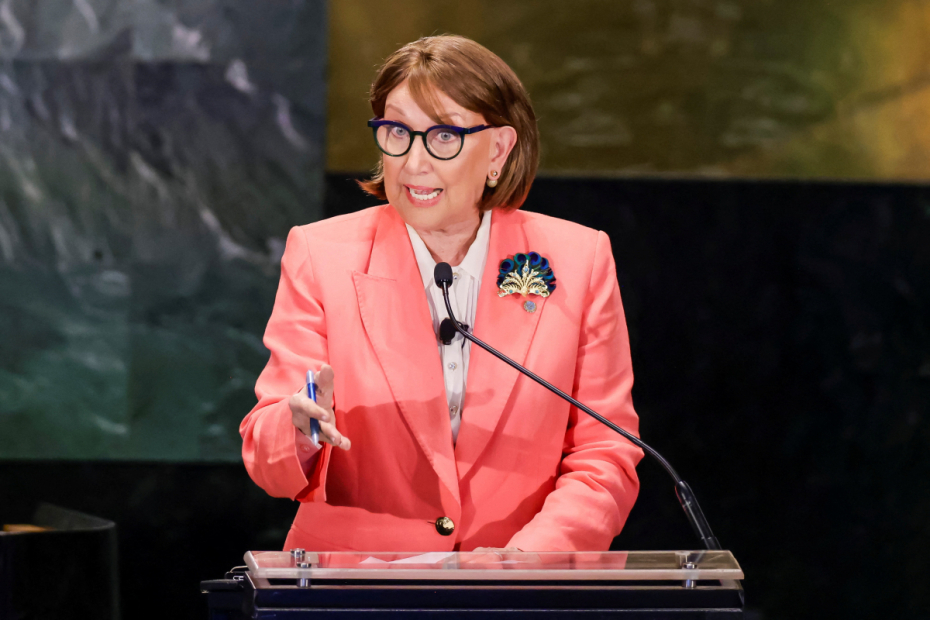
Former Secretary-General of the United Nations Conference on Trade and Development (UNCTAD) and former Costa Rican Vice President Rebeca Grynspan said the organisation's priority should be ensuring that people no longer ask, "Where is the UN?"
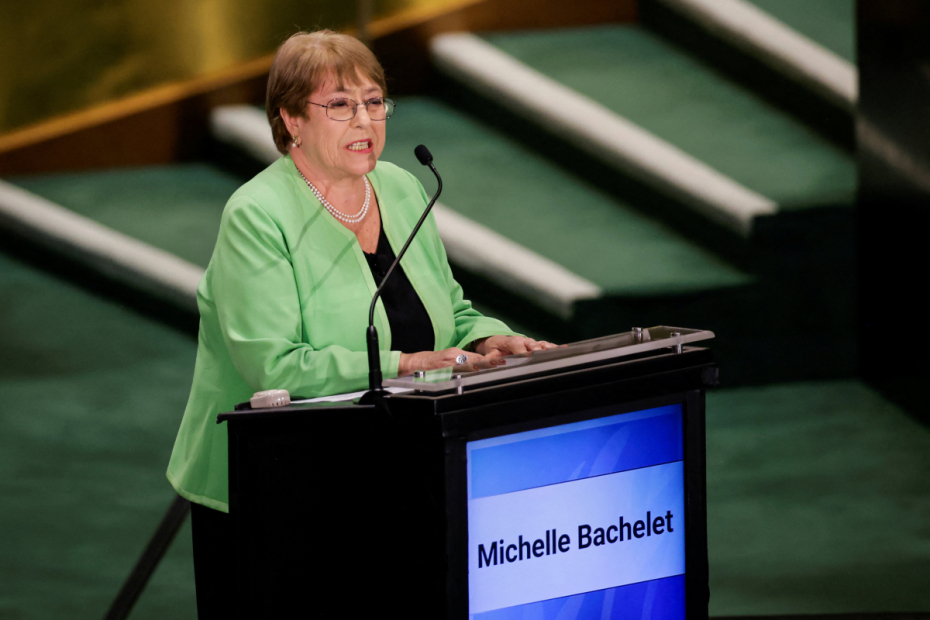
Michelle Bachelet, former Chilean President and past head of UN Women and the UN refugee agency, pledged to maintain the Secretary-General's independence, saying she would resist pressure from powerful states.
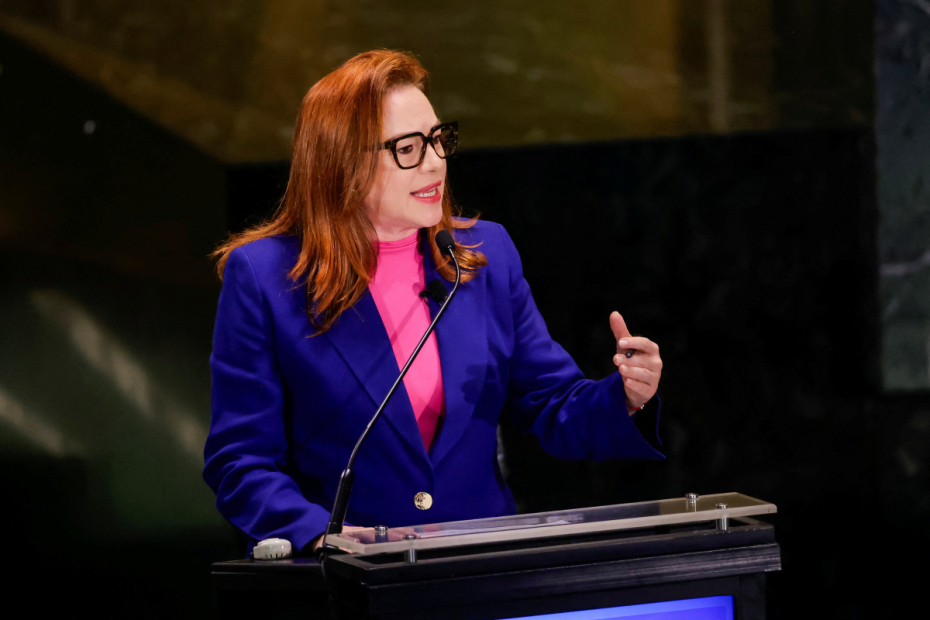
Former UN General Assembly President María Fernanda Espinosa focused on restoring the UN's ability to prevent conflicts and protect civilians.
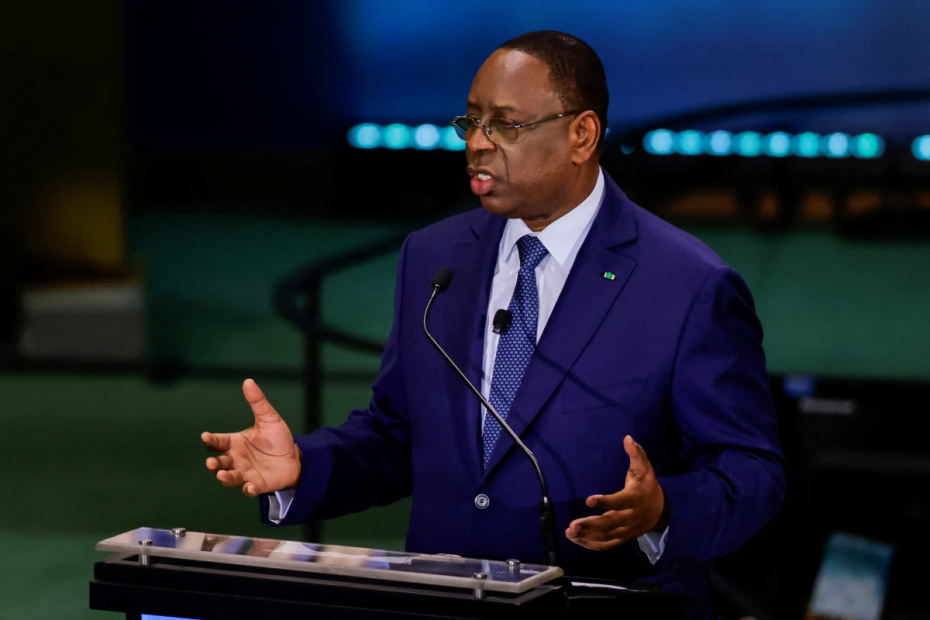
Former Senegalese President Macky Sall highlighted reform of the international financial system and stronger global partnerships.
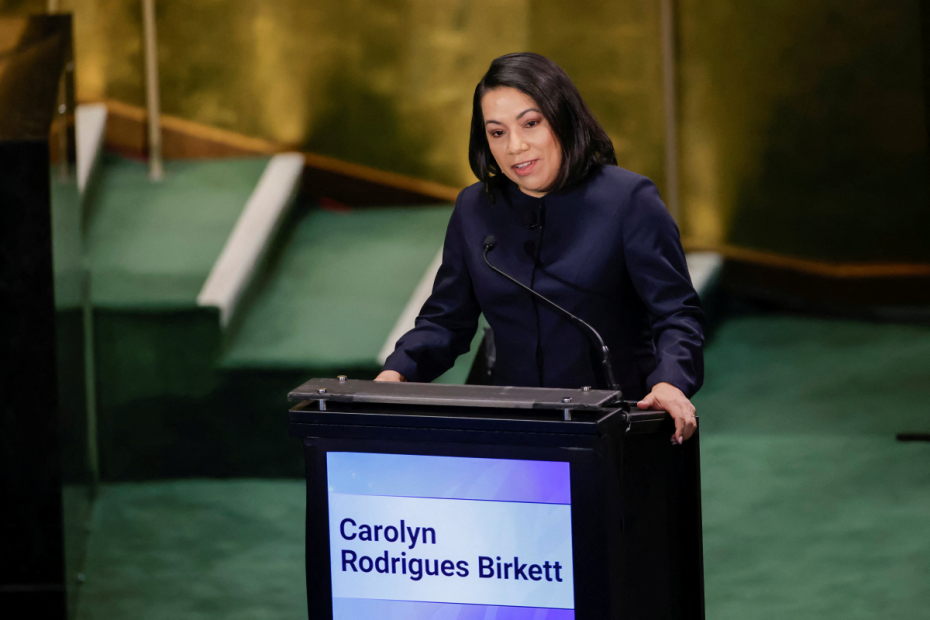
Guyana's Permanent Representative to the UN, Carolyn Rodrigues-Birkett, emphasised the Secretary-General's neutrality and ability to influence through recommendations.
Latin America dominates the race
Five of the six candidates come from Latin America and the Caribbean, reflecting the widely held view among member states that it is the region's turn to lead the United Nations.
The race has also renewed calls for the organisation to appoint its first female Secretary-General in its more than 80-year history.
According to the summary, none of the candidates emerged as a clear frontrunner during the debate, although Grossi, Grynspan and Bachelet are regarded as the most frequently mentioned contenders.
The event itself was intended to raise public awareness of an election process that has so far attracted limited international attention.
Secret vote scheduled for next week
The next stage of the selection process will take place behind closed doors, when the 15-member UN Security Council holds its first secret straw poll on 30 July.
The summary notes that while many member states believe the UN needs a politically influential and administratively effective leader to address mounting crises, some major powers may prefer a Secretary-General who is less likely to challenge their interests publicly.
The Security Council's recommendation will ultimately determine who succeeds the current UN chief.
Read more:











What is your opinion on this topic?
Leave the first comment