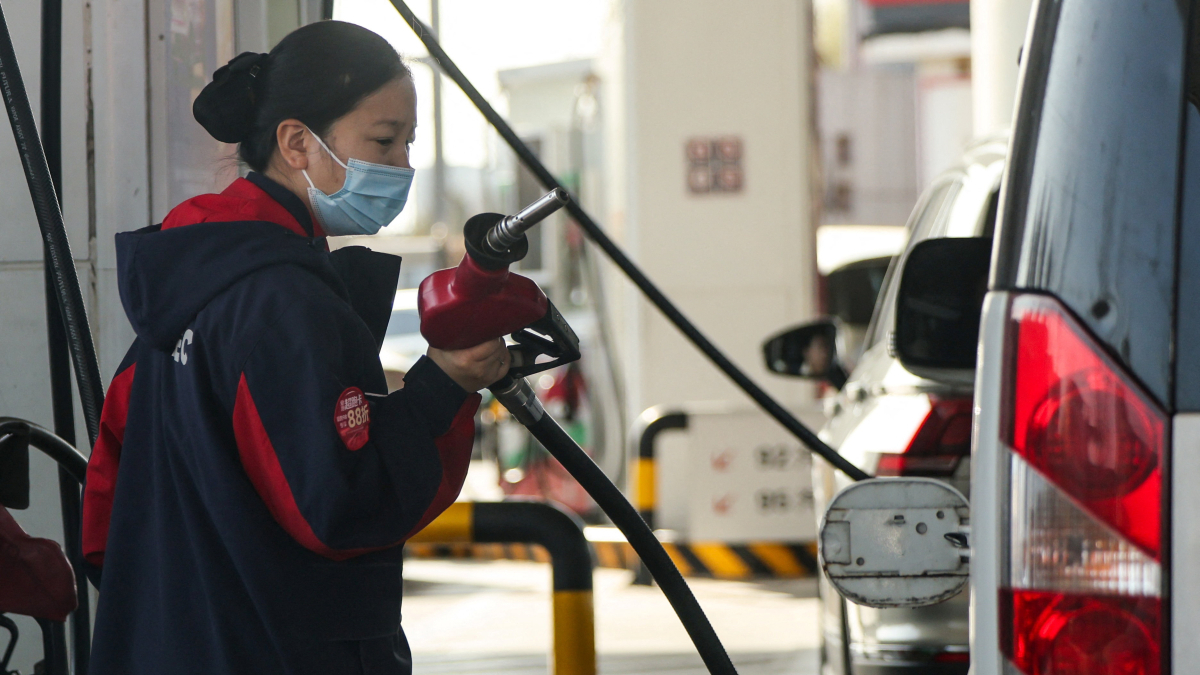
China is raising domestic petrol and diesel prices under temporary measures to manage a sharp surge in global oil costs, aiming to support fuel suppliers while maintaining market stability during a period of heightened volatility.
In recent weeks, international oil prices have climbed steeply, driven by a combination of geopolitical tensions, supply concerns and robust global demand. Benchmarks such as Brent crude have risen noticeably, increasing costs for countries heavily reliant on imported oil. As one of the world’s largest energy consumers, China is particularly exposed to these fluctuations.
Carefully managed price increases
In response, regulators including the National Development and Reform Commission are adjusting domestic fuel prices. In practical terms, this means higher costs at the pump for drivers and businesses, although increases are being carefully managed rather than left entirely to market forces. Officials say the aim is to balance reflecting global trends with avoiding sudden price shocks that could harm consumers and the broader economy.
China operates a pricing system that links domestic fuel costs to international crude markets, but with safeguards to limit extreme volatility. When global prices rise too rapidly or sharply, the government can intervene with temporary measures such as these. The approach helps ensure oil companies remain financially viable while giving authorities greater control over inflation and economic stability.
The move comes as rising energy costs are already affecting transport, manufacturing and everyday living expenses. For fuel-dependent sectors such as logistics and shipping, higher prices are likely to increase operating costs, some of which may be passed on to consumers through modest rises in the price of goods.
At the same time, officials have emphasised that the measures are temporary and will be reviewed as global oil markets stabilise. Should international prices ease, domestic fuel costs could be reduced accordingly. Authorities are also expected to monitor the impact closely to avoid placing undue strain on households.
Analysts say the decision reflects China’s broader economic strategy - intervening to cushion shocks while gradually allowing market forces a greater role. With global energy markets still uncertain, further adjustments may follow depending on how conditions evolve.
For now, the price rise highlights China’s effort to strike a delicate balance: shielding its economy from global volatility while ensuring a secure and sustainable energy supply.
















What is your opinion on this topic?
Leave the first comment