China is strengthening its presence in Central Asia by increasing gas imports from Turkmenistan and expanding trade and infrastructure cooperation with Kyrgyzstan.
Closer Asian alignment
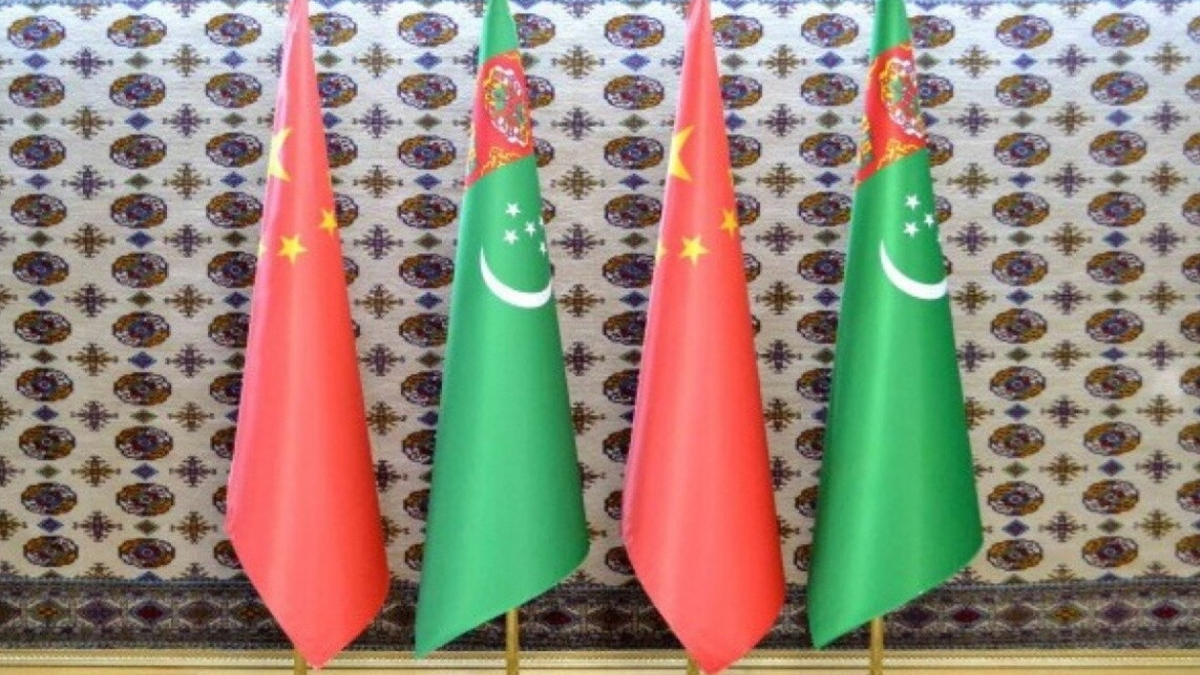
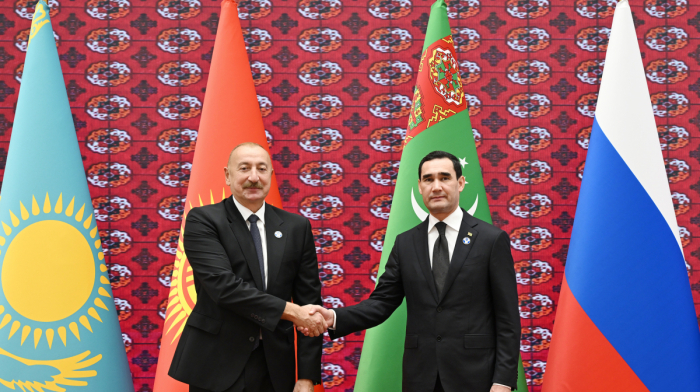
During talks in Beijing with Gurbanguly Berdimuhamedow, Chairman of the People’s Council of Turkmenistan, Chinese President Xi Jinping called for increased supplies of Turkmen natural gas and a broader expansion of bilateral cooperation. He emphasised the need to move beyond hydrocarbons, highlighting sectors such as infrastructure, agriculture, the digital economy, artificial intelligence and clean energy as new areas of focus.
China also proposed aligning the Belt and Road Initiative with Turkmenistan’s development strategy, including the implementation of joint projects in education and healthcare. Beijing reaffirmed its support for Turkmenistan’s sovereignty and neutrality, and expressed readiness to strengthen coordination on international platforms such as the United Nations, alongside joint efforts to counter terrorism, extremism and separatism.
Gurbanguly Berdimuhamedow confirmed Turkmenistan’s commitment to deepening its strategic partnership with China, particularly in energy, trade and infrastructure, underlining the continued importance of bilateral energy ties.
Gas and energy alignment
A central pillar of this relationship is the Central Asia–China gas pipeline system, comprising three parallel lines - A, B and C - stretching 1,833 kilometres across Turkmenistan, Uzbekistan and Kazakhstan into China. With a combined annual capacity of 55 billion cubic metres, it remains a key component of China’s energy supply.
In 2025, China imported Turkmen gas worth $8.41 billion, reinforcing Turkmenistan’s role as one of its leading suppliers. China has remained the country’s largest trading partner for 13 consecutive years and is the principal buyer of its pipeline gas.
Alongside its energy engagement with Turkmenistan, China is also expanding economic ties with Kyrgyzstan. Bilateral trade reached a record $27.2 billion in 2025, marking a 20% increase year on year, while Kyrgyz exports to China rose by 86%, reflecting improved access to the Chinese market.
Joint ventures
According to Chinese Ambassador to Bishkek Liu Jiangping, the two countries maintain a comprehensive strategic partnership supported by active political dialogue. In 2025, Xi Jinping and President Sadyr Japarov met three times, highlighting the intensity of bilateral engagement.
Key cooperation projects include the China–Kyrgyzstan–Uzbekistan railway, the Barskoon–Bedel road, and the supply of Chinese buses. In the energy sector, projects include a waste-to-energy plant in Bishkek and a 100 MW solar power station in the Chuy region. Trade flows are also diversifying, with increased exports of Kyrgyz dried fruits and honey.












What is your opinion on this topic?
Leave the first comment