Paris imposes curfew following largely peaceful protests
Police were deployed across Paris on Saturday, as a curfew was set to take effect in the Republique and Châtelet-Les Halles areas from 11pm Saturday until 6am Sunday (1 November).

Brazilian President Luiz Inácio Lula da Silva has secured another four years in office, but slowing growth, expensive credit and mounting public debt threaten to test the economic gains of his previous term.
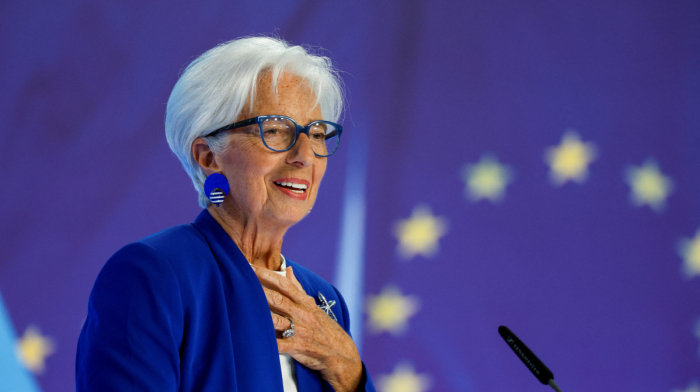
The European Central Bank (ECB) welcomed news of a preliminary ceasefire agreement between the U.S. and Iran on Monday, as hopes of a reopening of the Strait of Hormuz pushed oil prices lower and reduced expectations of further interest rate rises in the eurozone.
Domestic economic conditions are playing a growing role in shaping the outlook for Azerbaijan, Armenia, Kazakhstan and Uzbekistan, according to global financial services group ING.
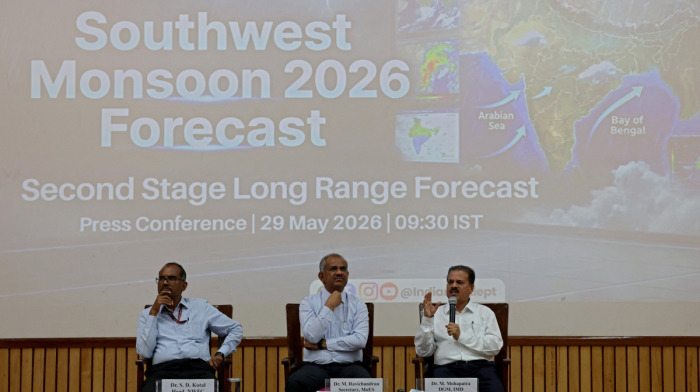
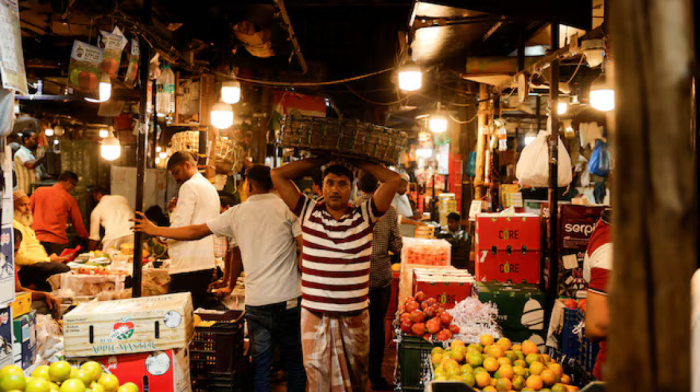
India is expected to experience its weakest monsoon in more than a decade in 2026, raising concerns over crop production, food prices and economic growth as the country also grapples with inflationary pressures linked to the Iran conflict.
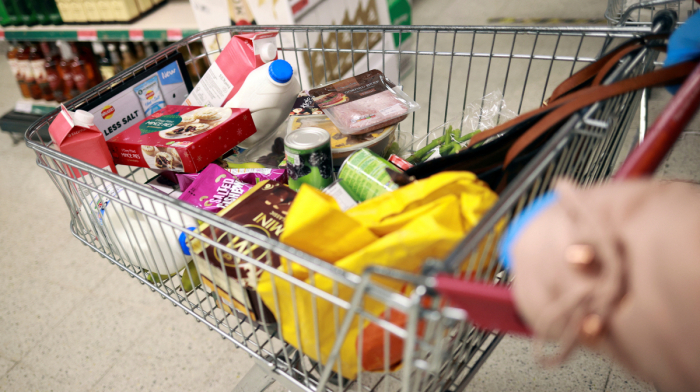
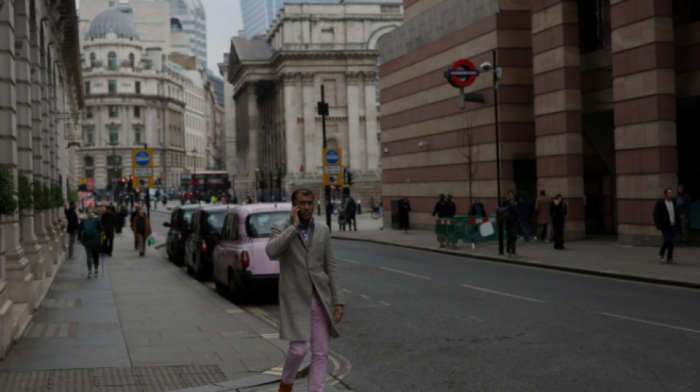
UK shop price inflation rose to 1.2% in May from 1.0% in April as retailers continued to face mounting cost pressures across supply chains, according to new industry data.
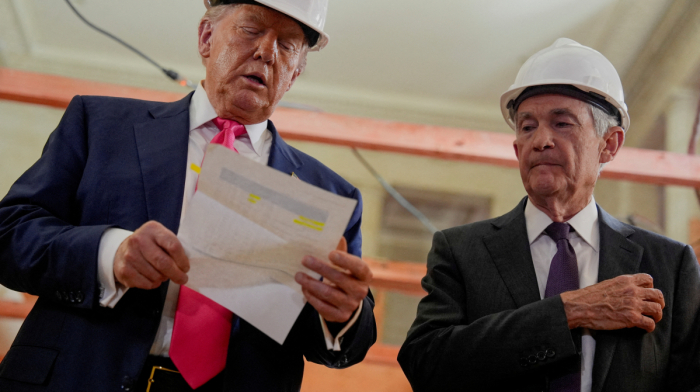
Kevin Warsh will be sworn in as chair of the U.S. Federal Reserve on Friday as policymakers consider higher interest rates to tackle inflation linked to the Trump administration’s Iran policy.
G7 finance ministers voiced growing concern over rising public debt and volatile bond markets as they met in Paris on Monday following a global sell-off driven by fears that the Iran conflict could fuel inflation.
Government bond markets from Tokyo to New York extended losses on Monday (18 May) as rising energy prices linked to the Middle East conflict heightened inflation concerns and reinforced expectations that major central banks could keep interest rates higher for longer.
The U.S. war in Iran has cost $25 billion so far, a senior Pentagon official said on Wednesday (29 April), offering the first official estimate of the military’s price tag for the conflict. The sum is equivalent to NASA’s entire budget for this year.
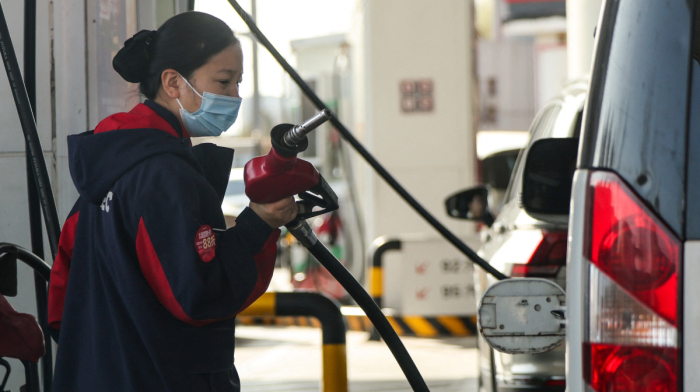
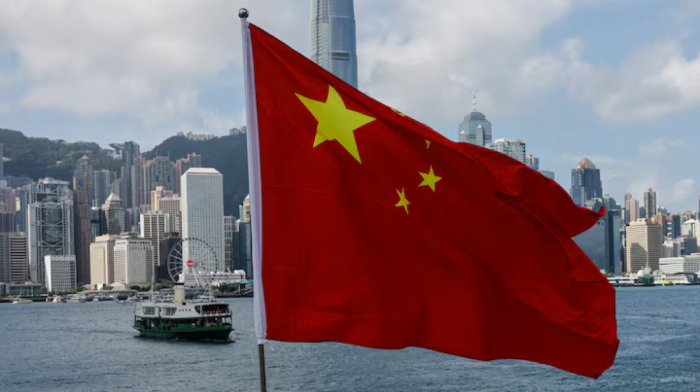
China is raising domestic petrol and diesel prices under temporary measures to manage a sharp surge in global oil costs, aiming to support fuel suppliers while maintaining market stability during a period of heightened volatility.
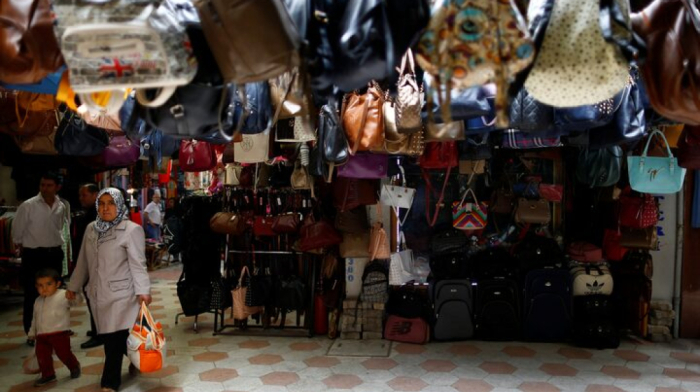
In late December 2025, protests erupted across Iran after the rial collapsed and inflation soared. Unrest spread from Tehran’s Grand Bazaar as citizens expressed frustration over rising prices, economic hardship, and long‑standing grievances with government policies.
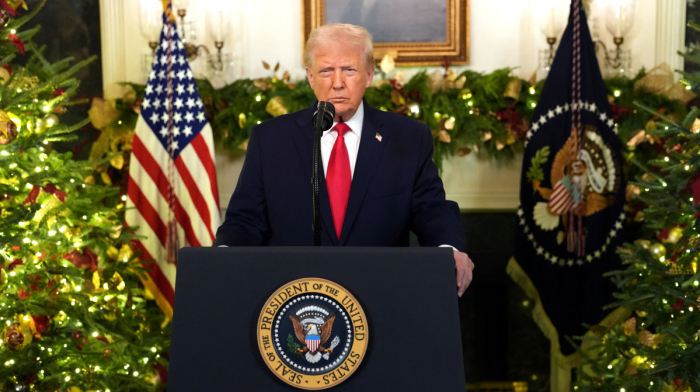
U.S. President Donald Trump delivered a wide-ranging address from the White House in which he sought to highlight what he described as his administration’s achievements while laying the groundwork for his plans for the year ahead and beyond, on Wednesday (18 December).
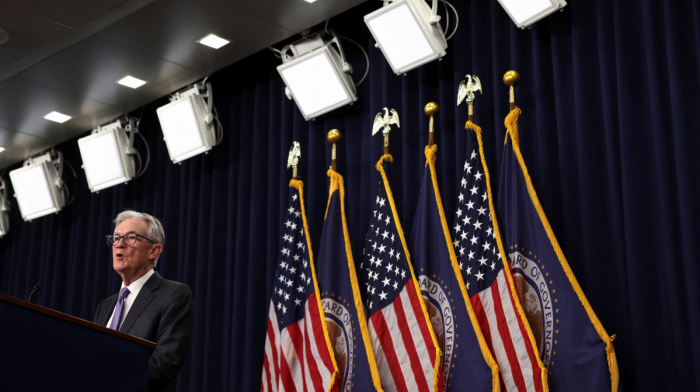
The U.S. Federal Reserve’s Federal Open Market Committee (FOMC) cut its benchmark interest rate by 25 basis points to a range of 3.50% to 3.75% following its two-day policy meeting, according to an official statement issued on Wednesday, 10 December.
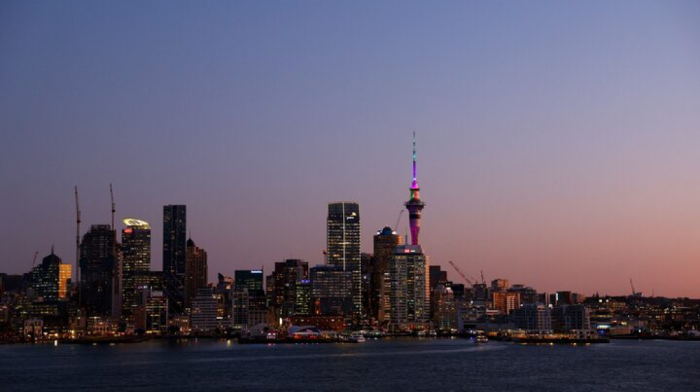
New Zealand's annual inflation accelerated in the third quarter, reaching 3.0%, which aligns with analysts' expectations and is at the upper end of the central bank's target range, according to official data released on Monday.
India's retail inflation (INCPIY=ECI) rose to 2.07% in August as food prices edged up, although it remained within the central bank's tolerance range for the tenth consecutive month.
Britain's economy unexpectedly shrank for the second month in a row in May, raising pressure on the Labour government and boosting expectations for an interest rate cut in August.
German inflation eased to 2.0% in June, the federal statistics office said on Thursday, confirming preliminary data.
China’s annual consumer inflation reached 0.1% in June, slightly above market expectations of a 0.1% decline, according to data released Wednesday by the National Bureau of Statistics.
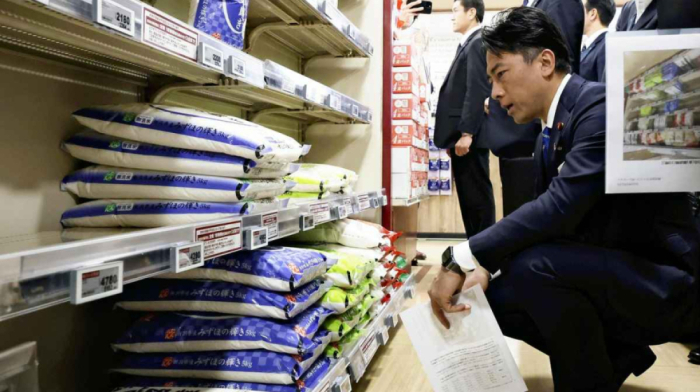
Japan’s core inflation rose to a more than two-year high in May, exceeding the central bank’s 2% target for over three years and increasing pressure on the Bank of Japan (BOJ) to resume rate hikes.
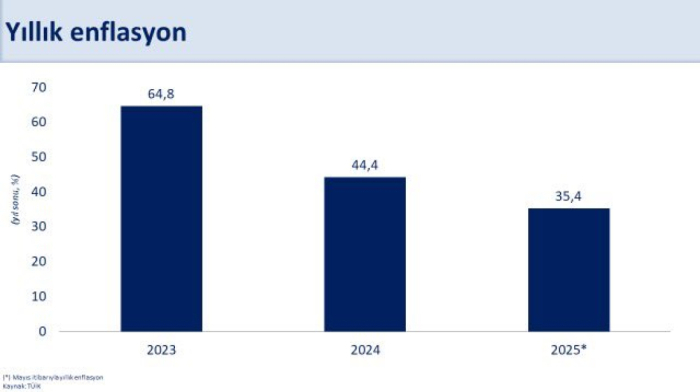
In May 2025, Türkiye’s annual inflation rate declined to 35.41%, down from 37.86% in April and falling short of the market forecast of 36.1%. This represents the lowest rate recorded since November 2021, as price increases slowed across almost all categories.
Turkiye’s annual inflation dropped to 38.1% in March, below forecasts, offering slight relief amid economic pressures. Monthly inflation rose 2.46%, while producer prices surged 23.5% annually. Experts remain cautious as currency fluctuations pose future risks.
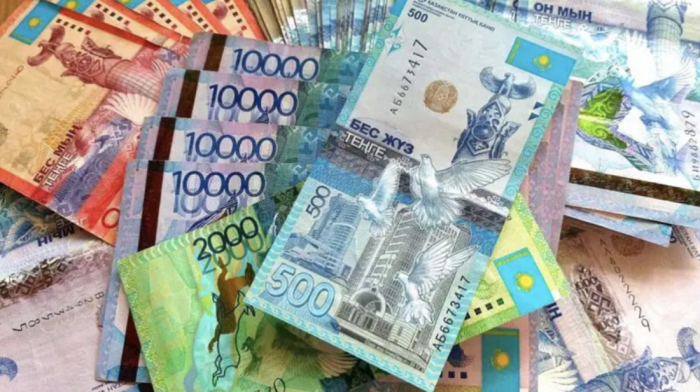
The National Bank of Kazakhstan has raised the key interest rate by 1.25 percentage points today, from 15.25% to 16.5%, according to the financial regulator.
You can download the AnewZ application from Play Store and the App Store.