In this episode of World Business, we track the global forces driving market volatility and consumer uncertainty. Oil prices spiked following reports that Israel may be preparing an airstrike on Iran’s nuclear facilities—raising fears of disruption to vital Gulf supply routes and triggering a 1.5% jump in Brent Crude. Analysts warn any escalation could reshape energy flows across the region. Meanwhile, UK inflation has come in hotter than expected.
The April reading hit 3.5%, up from 2.6% in March—casting doubt on the Bank of England’s path to interest rate cuts and sparking fresh concern over the cost-of-living crisis. And we turn to consumer activism with a timely interview: Sarah Brazier, Head of Campaigns at the Fairtrade Foundation, joins us on International Tea Day to unveil their new campaign focused on the tea industry.
From ethical sourcing to climate resilience, she explains how Fairtrade is adapting to meet the moment—and why UK shoppers still hold the power to drive global change. From geopolitics to grocery aisles, this is the business of fairness, stability, and survival. Tags: oil prices, Israel Iran tension, UK inflation, Bank of England, Fairtrade, Fairtrade tea, Sarah Brazier, ethical consumerism, Brent crude, cost of living, World Business, economic news, interest rate cuts, inflation UK, Middle East oil routes.
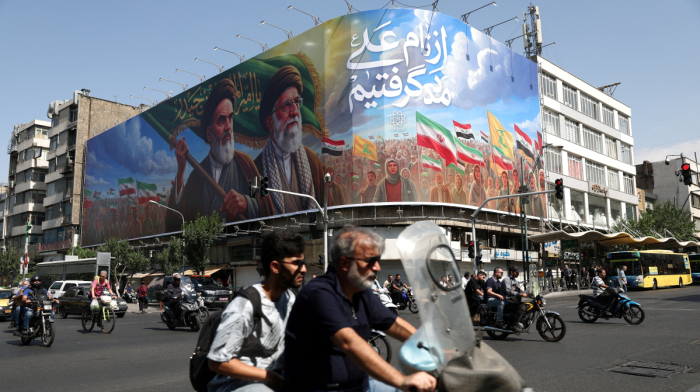
The UN's International Maritime Organization has paused escort operations through the Strait of Hormuz after a cargo ship was reportedly attacked near...
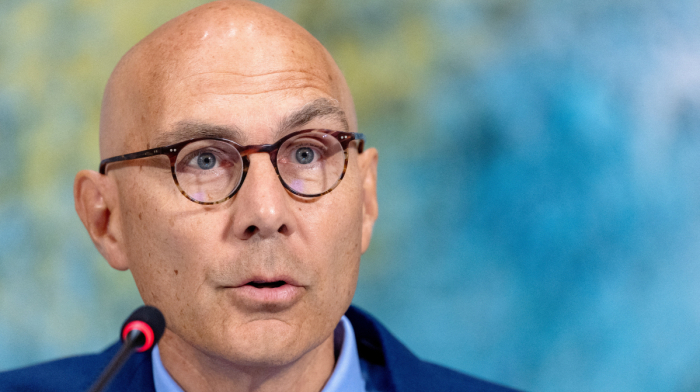
The United Nations' top human rights official has called for independent investigations into deaths in U.S. immigration detention facilities, citing a...
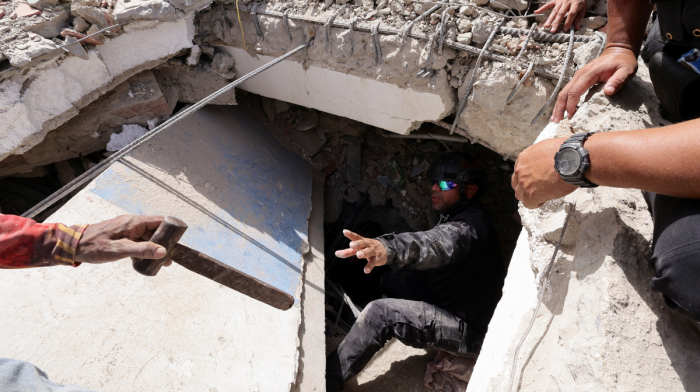
Tens of thousands of people are still unaccounted for after two powerful earthquakes struck Venezuela. At least 589 people have been confirmed dead a...
An aircraft roughly the size of a car crashed into Beijing's tallest skyscraper on Friday evening, triggering a major emergency response and a heavy p...
Montenegrin police, working alongside the United States' Federal Bureau of Investigation, have arrested an Iranian national accused of carrying out a ...
BP has removed its chair, Albert Manifold, with immediate effect, citing concerns over governance and conduct. The company said its board had unanimously decided that Manifold should no longer serve as chair or director.
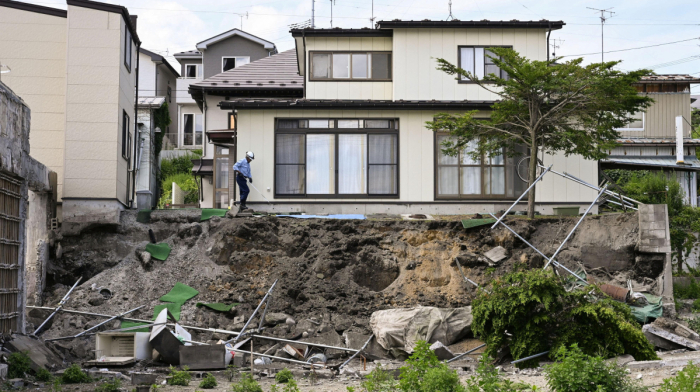
An earthquake of magnitude 6.9 struck Japan's northeast coast on Thursday, but no tsunami warning was issued, no injuries were immediately reported and no irregularities were found at nuclear facilities, the authorities said.
As Western Europe battles a deadly heatwave that has shattered temperature records, disrupted transport and power supplies, and forced the closure of schools and cultural landmarks, attention is turning to whether El Niño is playing a role in the extreme conditions.
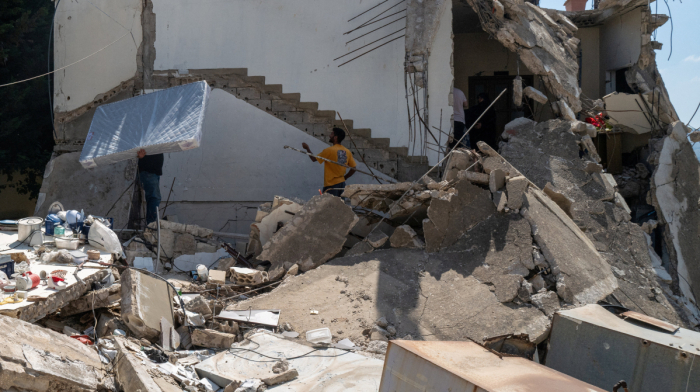
Israel's defence minister said on Wednesday Israeli troops will not withdraw from southern Lebanon, highlighting a hurdle to Iran-U.S. peace talks, as the top U.S. diplomat tours the Middle East to win over allies sceptical about a proposed deal.
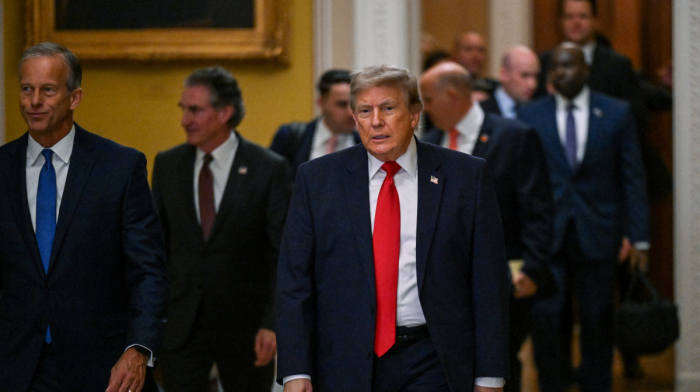
The U.S. Senate rejected a resolution on Wednesday that would have directed President Donald Trump to remove U.S. forces from hostilities against Iran unless Congress formally authorised military action.
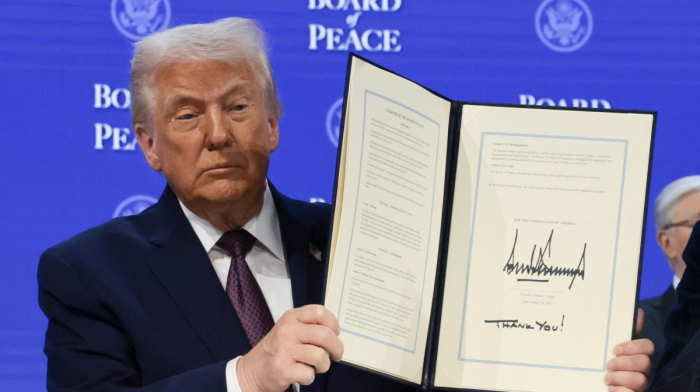
In a special edition of Context, Orkhan Amashov reports from Washington on the inaugural meeting of the Board of Peace, examining plans for Gaza’s reconstruction, a proposed stabilisation force, and the wider diplomatic impact of the U.S.-led initiative.
In today’s Prime Time, we covered the following conversations: Azerbaijan has shipped petroleum products to Armenia by rail for the first time in decades, marking a significant step toward economic cooperation and regional integration in the South Caucasus.
















What is your opinion on this topic?
Leave the first comment