The following story summaries are from AnewZ’s Africa News programme, focusing on political and security developments across Africa and beyond.
Benin votes in parliamentary and local elections after failed coup attempt
Voters across Benin cast their ballots on Sunday (11 January) to elect members of parliament and local government officials. The elections are the first nationwide vote since officials announced they had foiled a coup plot in December, heightening attention on the country’s political climate.
President Patrice Talon’s ruling allies are seeking to maintain control of the National Assembly as the country prepares for a presidential election next year. Talon is constitutionally barred from running again, making the parliamentary vote a key indicator of political alignment ahead of the transition.
Analysts say the elections represent an important test for the West African nation's stability, as the country looks to reassure both citizens and regional partners following the failed coup attempt and ahead of a crucial presidential race.
Israel dismisses claims of plans to relocate Palestinians to Somaliland
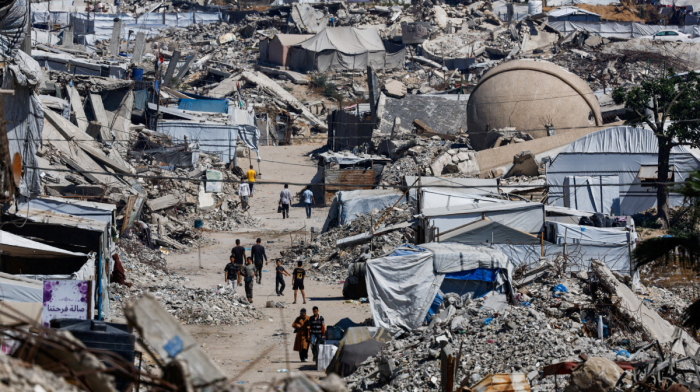
Israel has firmly denied reports suggesting it intends to relocate displaced Palestinians to Somaliland, a self-declared breakaway region of Somalia, amid growing regional and international scrutiny.
The reports surfaced shortly after Israel became the first country to recognise Somaliland as an independent state. Somalia’s federal government has strongly opposed the idea, warning that any transfer of people to the region would be illegal and a violation of international law.
Israeli officials said there are no plans to move displaced Palestinians to Somaliland and described the reports as unfounded.
Uganda deploys military vehicles in Kampala ahead of national elections
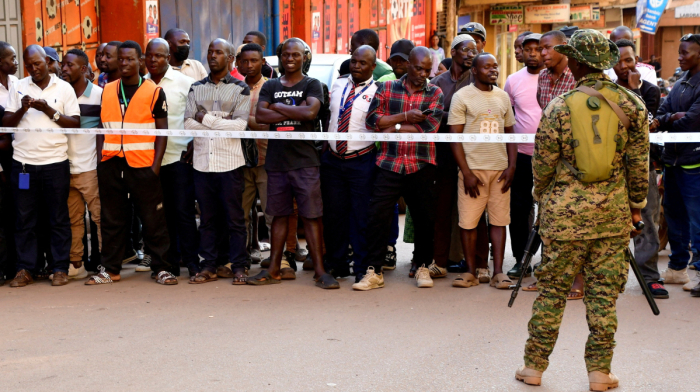
Uganda has increased its security presence in the capital Kampala, deploying heavy military vehicles and joint patrols days before national elections on the 15 January, in a move authorities say is meant to prevent violence. The Ugandan military says the deployment is a precautionary measure aimed at deterring unrest and maintaining law and order.
President Yoweri Museveni, who has been in power for nearly four decades, is seeking another term in office. Security forces have warned that any attempts to disrupt the electoral process will be dealt with firmly.
However, opposition groups and human rights organisations have criticised the show of force, arguing that it creates fear among voters and may suppress political participation.








What is your opinion on this topic?
Leave the first comment