Start your day informed with AnewZ Morning Brief. Here are the top news stories for the 10th of March, covering the latest developments you need to know.
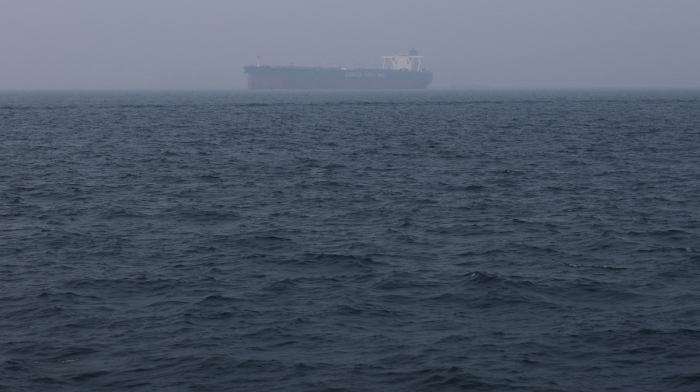
Trump threatens devastating retaliation if Strait of Hormuz is blocked
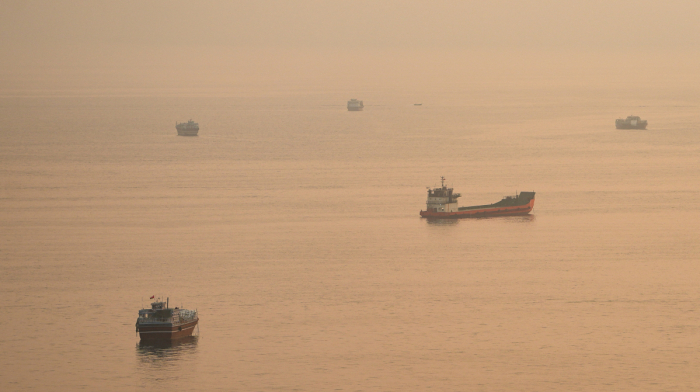
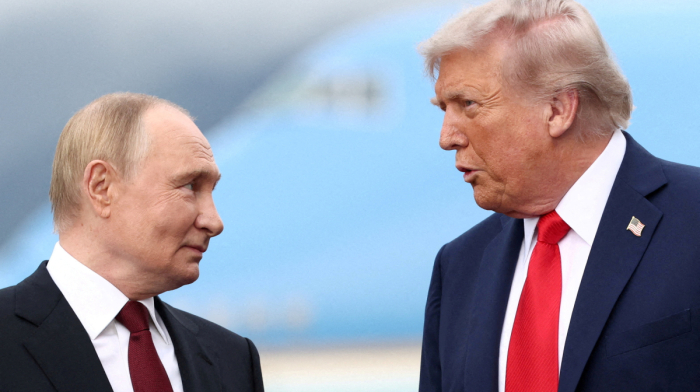
As the Middle East conflict enters its eleventh day, U.S. President Donald Trump has warned that Washington will strike Iran "20 times harder" should Tehran disrupt global oil flows through the strategic Strait of Hormuz. Despite the aggressive rhetoric, international oil prices fell sharply following a telephone call between Mr Trump and Vladimir Putin, which sparked cautious optimism for a rapid diplomatic settlement. However, the regional fallout continues to widen; Egypt has been forced to hike domestic fuel prices by up to 17 per cent, a drone has struck near the UAE consulate in Erbil, and U.S. Democratic senators are demanding urgent public hearings to scrutinise the Trump administration's widely unpopular military campaign.
China attempts to mediate deadly Afghan-Pakistani border clashes
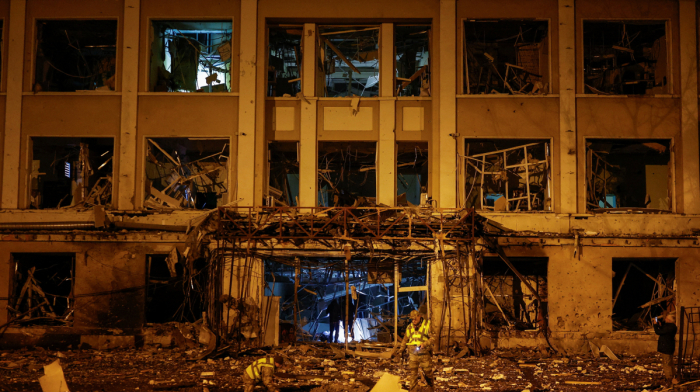
Beijing has urged Afghanistan and Pakistan to resolve their escalating border dispute through diplomacy, as violent clashes between the two neighbours enter their eleventh day. Following a meeting with the Afghan Foreign Minister in Kabul, China's special envoy stressed the need to maintain regional stability, echoing similar mediation offers from both Türkiye and Russia. The fighting, which erupted following Pakistani airstrikes on Afghan territory, has exacted a severe humanitarian toll, with the United Nations reporting that at least 56 civilians have been killed and over 16,000 families displaced across eastern Afghanistan.
Trump-Starmer call fails to mend deepening transatlantic rift
A telephone call between US President Donald Trump and Prime Minister Keir Starmer has failed to bridge a growing diplomatic rift over the ongoing military campaign against Iran. The conversation follows a week of highly publicised criticism from Mr Trump, who accused the British government of providing insufficient support and mockingly stated that Sir Keir was "no Winston Churchill". Whilst Downing Street maintains its refusal to participate in offensive operations without a clear legal mandate and defined strategy, Foreign Secretary Yvette Cooper defended the Prime Minister's stance, reiterating that the UK will restrict its involvement strictly to defensive support from British airbases in Cyprus.
Iranian establishment pledges 'complete obedience' to new Supreme Leader
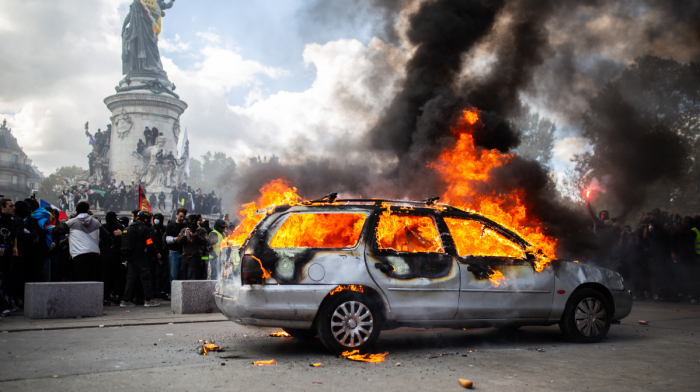
Iran's political and military establishments have publicly closed ranks behind the country's new Supreme Leader, Ayatollah Seyyed Mojtaba Khamenei, pledging their loyalty amidst a highly fraught transition of power. President Masoud Pezeshkian hailed the appointment as the dawn of a "new era of dignity", whilst the armed forces swore their unwavering obedience to their new commander-in-chief. Meanwhile, as mass funerals were held in Tehran for civilians killed in the ten-day conflict, Iranian officials launched blistering verbal attacks on the international community, condemning the U.S.-Israeli strikes on energy infrastructure as "chemical warfare" and accusing the United Nations of prioritising the global economy over human lives.











What is your opinion on this topic?
Leave the first comment