live Trump says U.S. could strike Iran ‘hard’ as Tehran warns of economic fallout- Middle East conflict
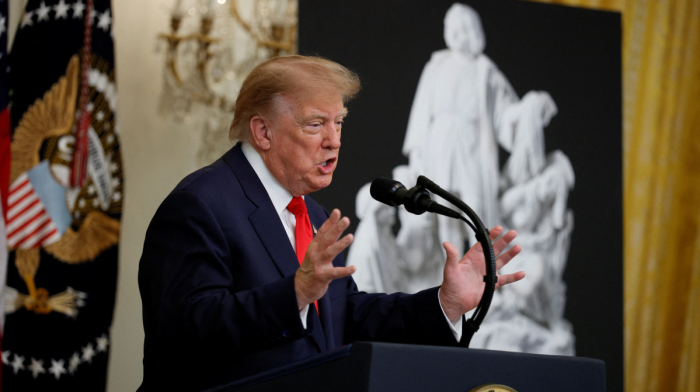
U.S. President Donald Trump said Washington could destroy Iran’s infrastructure “in two days,” while Tehran warned the U.S. would...
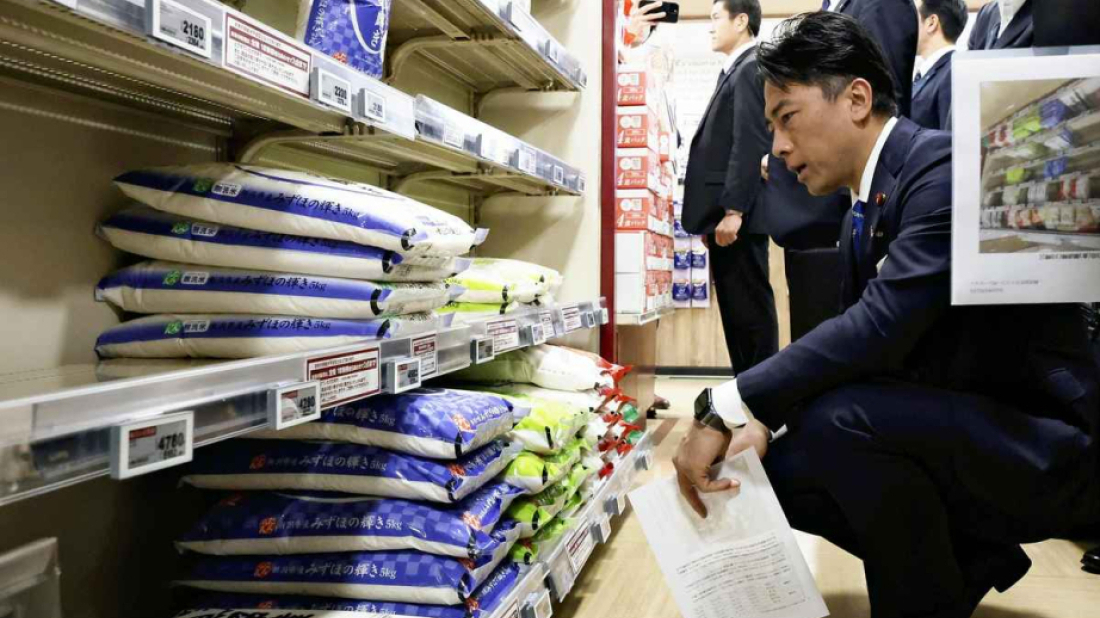
Japan’s core inflation rose to a more than two-year high in May, exceeding the central bank’s 2% target for over three years and increasing pressure on the Bank of Japan (BOJ) to resume rate hikes.
The core consumer price index (CPI), excluding volatile fresh food, rose 3.7% year-on-year in May, surpassing market forecasts and accelerating from April’s 3.5%. It marked the fastest pace since January 2023’s 4.2%.
A separate index, stripping out fresh food and fuel, climbed 3.3%, the highest since January 2024.
The rise was driven largely by persistent food inflation. Staple rice prices doubled compared to last year, while rice balls rose nearly 20% and chocolate bars by 27%.
Service-sector inflation also rose to 1.4% from 1.3%, reflecting firms passing on higher labour costs.
The data highlights the BOJ’s challenge in balancing inflation pressures with risks from U.S. trade uncertainty under President Trump. A Reuters poll showed a slight majority of economists expect the BOJ’s next rate hike in early 2026.
BOJ Governor Kazuo Ueda said underlying inflation remains below target but could re-accelerate. “If our forecasts materialise, we expect to keep raising interest rates,” he said.

Iran’s Foreign Minister Abbas Araghchi said Tehran has “no trust” in the United States and will only consider negotiations if Washington shows seriousness. His remarks came as talks on Iran’s nuclear programme continued, with Trump and Xi also opposing Iran acquiring nuclear weapons.
The U.S.-Israeli war with Iran loomed over U.S. President Donald Trump's visit to China, as signs emerged that the conflict is causing a shift in alliances across the Middle East.
Chinese President Xi Jinping and U.S. President Donald Trump are holding high-level talks in Beijing on Thursday, following a ceremonial welcome, with both leaders highlighting cooperation despite ongoing tensions.
British Prime Minister Keir Starmer was fighting for his political survival on Thursday (14 May) after Health Secretary Wes Streeting resigned, saying he had “lost confidence” in Starmer’s leadership.
The second semi-final of the 70th Eurovision Song Contest 2026 takes place tonight in a rain-soaked Vienna, with the final 10 places in Saturday’s grand final still up for grabs.
Negotiations between Samsung Electronics and its workforce on Wednesday have broken down, officials said, raising fresh concerns over potential disruption to South Korea’s export-heavy economy.
By the time American shoppers began noticing higher prices on everything from trainers to televisions, the world's two largest economies were already deep in a trade war that left the world wondering how it would end.
The Strait of Hormuz remains a vital maritime chokepoint and serves as the primary artery linking the Persian Gulf to international energy markets. With approximately 20% of global oil and gas shipments transiting this waterway, it is the backbone of energy security for Asia, Europe, and beyond.
China’s exports grew faster than expected in April, as overseas buyers moved quickly to secure supplies amid fears that the conflict involving Iran could drive up global energy and transport costs.
Asian stocks surged to record highs on 7 May as investors priced in growing hopes of a potential Middle East peace deal, while oil prices eased and the U.S. dollar weakened amid shifting global risk sentiment.
You can download the AnewZ application from Play Store and the App Store.
What is your opinion on this topic?
Leave the first comment