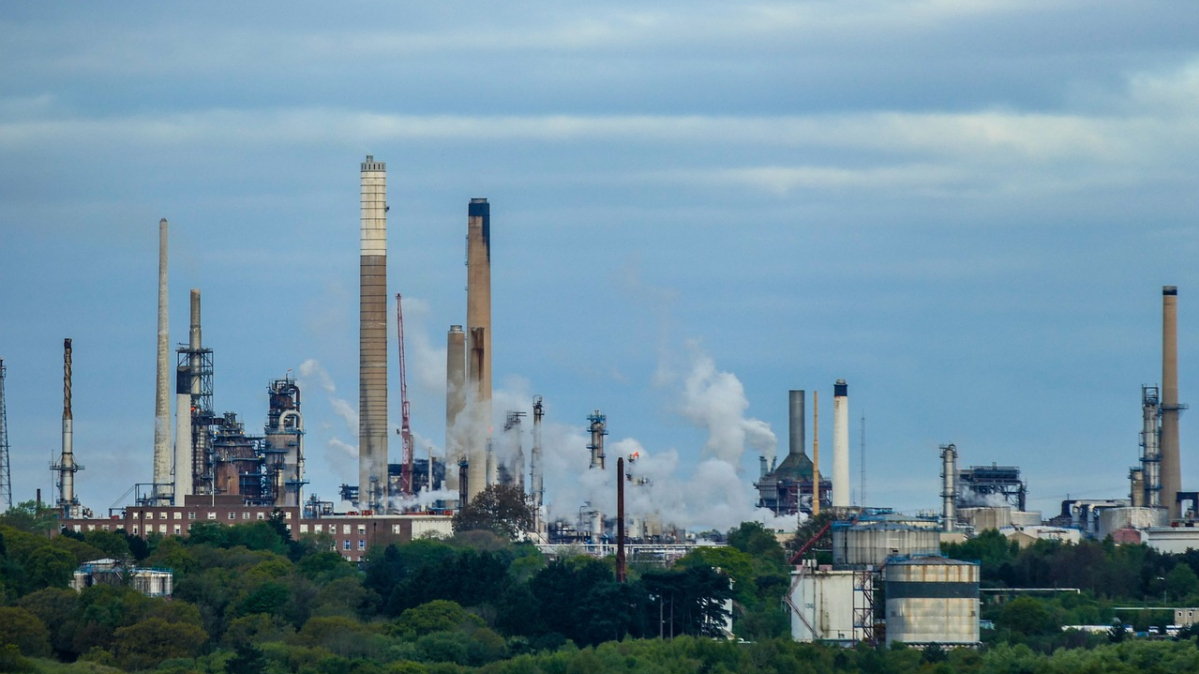
China has raised the retail prices of petrol and diesel after global oil prices climbed sharply. The country’s top economic planning body, the National Development and Reform Commission (NDRC), announced the move after reviewing international oil market trends.
Under the latest adjustment, petrol prices will increase by about 695 yuan (approximately $100) per metric tonne, while diesel prices will rise by around 670 yuan per tonne. The new prices have already taken effect across the country. China operates a pricing system that adjusts fuel prices when global crude oil prices rise or fall significantly over a certain period.
Officials said the increase mainly reflects higher international oil prices in recent weeks. Global energy markets have been affected by geopolitical tensions and supply concerns, pushing crude oil prices higher. Because China is one of the world’s largest buyers of oil, changes in global prices often lead to adjustments at home.
Sustainable alternatives
Although the price increase is largely linked to global market changes, it comes at a time when China is also trying to reduce its reliance on fossil fuels over the long term. The government has been encouraging cleaner and more efficient forms of transport as part of its economic and environmental plans.
During the 2026–2030 period under the country’s 15th Five-Year Plan, China plans to promote smarter and greener transport systems. This includes expanding electric vehicles, building more charging stations and using digital technologies to make transport networks more efficient.
China is already the world’s largest market for electric vehicles, with companies such as BYD and Tesla selling millions of electric cars each year in the country. The government hopes that improving charging networks and transport technology will make it easier for people to switch from petrol-powered vehicles to cleaner alternatives.
In the long term, the push for smart and green transport forms part of China’s broader plan to cut pollution and reduce carbon emissions. While petrol and diesel will still be widely used for years to come, the government is gradually guiding the transport sector towards cleaner energy and more advanced technology.





















What is your opinion on this topic?
Leave the first comment