European Parliament calls to suspend EU-U.S. trade deal citing 'tariff chaos'
The European Parliament’s trade chief has urged a temporary suspension of the EU–U.S. trade agreement approval, citing “tariff chaos” followin...
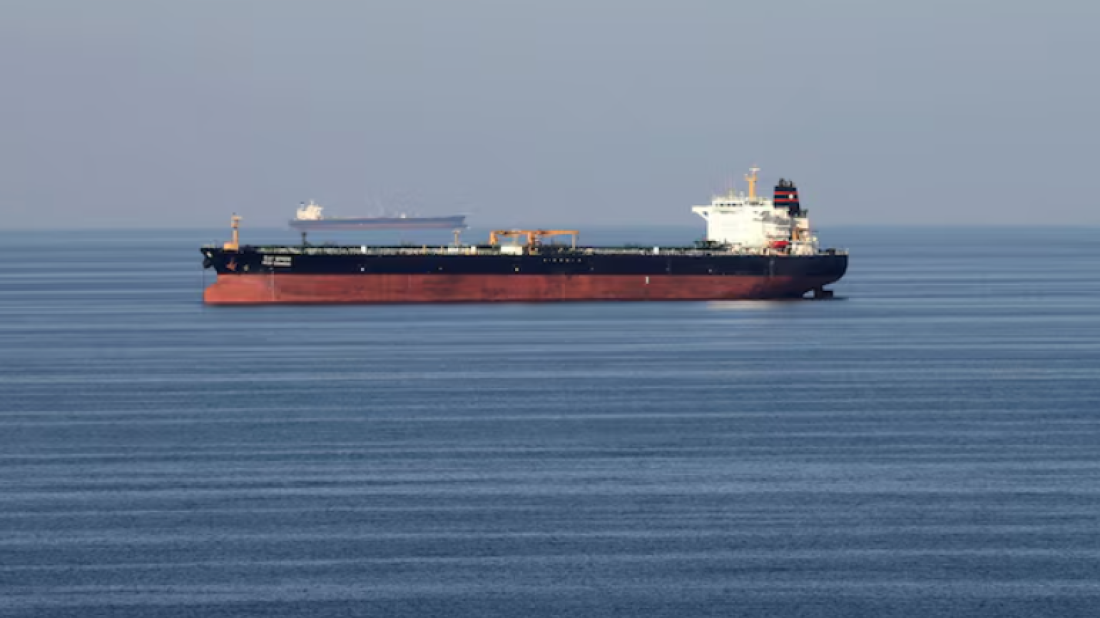
Oil prices hit a three-week high on Monday as rising Chinese imports and expectations of fresh U.S. sanctions on Russia buoyed market sentiment.
Brent crude rose by 58 cents, or 0.8%, to $70.94 per barrel, while U.S. West Texas Intermediate (WTI) gained 59 cents, or 0.9%, reaching $69.04 by 09:00 GMT.
The rally was driven by increased crude imports from China — up 7.4% year-on-year in June to 12.14 million barrels per day — as well as investor anticipation of U.S. President Donald Trump’s planned “major statement” on Russia. The statement follows Trump’s recent pledge to supply Patriot air defence systems to Ukraine.
UBS analyst Giovanni Staunovo said both China's import figures and U.S. geopolitical positioning were supporting oil markets. Meanwhile, a bipartisan U.S. bill advancing in Congress, aimed at imposing tighter sanctions on Moscow, and the European Union's forthcoming 18th sanctions package — expected to include a lower price cap on Russian oil — added to supply-side concerns.
However, analysts at J.P. Morgan warned that with China’s storage levels near peak, some inventories may shift to visible Western hubs, potentially putting downward pressure on prices in the longer term.
Last week, Brent and WTI recorded gains of 3% and 2.2%, respectively, following an IEA report suggesting that the global oil market may be tighter than headline figures indicate. Traders are also closely watching developments in ongoing U.S.-EU trade and tariff talks that could further impact global energy flows.

A seven-month-old Japanese macaque has drawn international attention after forming an unusual bond with a stuffed orangutan toy after being rejected by its mother.
Divers have recovered the bodies of seven Chinese tourists and a Russian driver after their minibus broke through the ice of on Lake Baikal in Russia, authorities said.
President Donald Trump said on Saturday (21 February) that he will raise temporary tariffs on nearly all U.S. imports from 10% to 15%, the maximum allowed under the law, after the Supreme Court struck down his previous tariff program.
Pakistan said it carried out cross-border strikes on militant targets inside Afghanistan after blaming a series of recent suicide bombings, including attacks during the holy month of Ramadan, on fighters it said were operating from Afghan territory.
Iran announced on Saturday (21 February) that it has designated the naval and air forces of European Union member states as “terrorist entities” in a reciprocal move after the EU blacklisted the Islamic Revolutionary Guard Corps (IRGC).
Further Iran-U.S. nuclear talks are scheduled in Geneva on Thursday (26 February) as diplomacy resumes over Tehran’s nuclear programme following earlier mediation efforts. But will the talks move Iran-U.S. negotiations closer to a deal, and what should be expected from the meeting?
China says it's making a "full assessment" of the U.S. Supreme Court's tariff ruling and urged Washington to lift "relevant unilateral tariff measures" on its trading partners, the Chinese commerce ministry said in a statement on Monday (23 February).
Start your day informed with AnewZ Morning Brief. Here are the top news stories for the 23rd of February, covering the latest developments you need to know.
A “Victory will be ours” banner was hung on the Russian Embassy in Seoul, ahead of the fourth anniversary of Russia’s full-scale invasion of Ukraine. It remains on display despite a request from the South Korean Foreign Ministry on Sunday (22 February) for its removal, sparking widespread criticism.
North Korea’s Workers' Party of Korea has re-elected Kim Jong Un as general secretary during the party congress in Pyongyang state media reported.
You can download the AnewZ application from Play Store and the App Store.
What is your opinion on this topic?
Leave the first comment