Senegal has taken steps to curb government spending by banning non-essential foreign travel for ministers, as rising global oil prices place increasing pressure on the country’s finances.
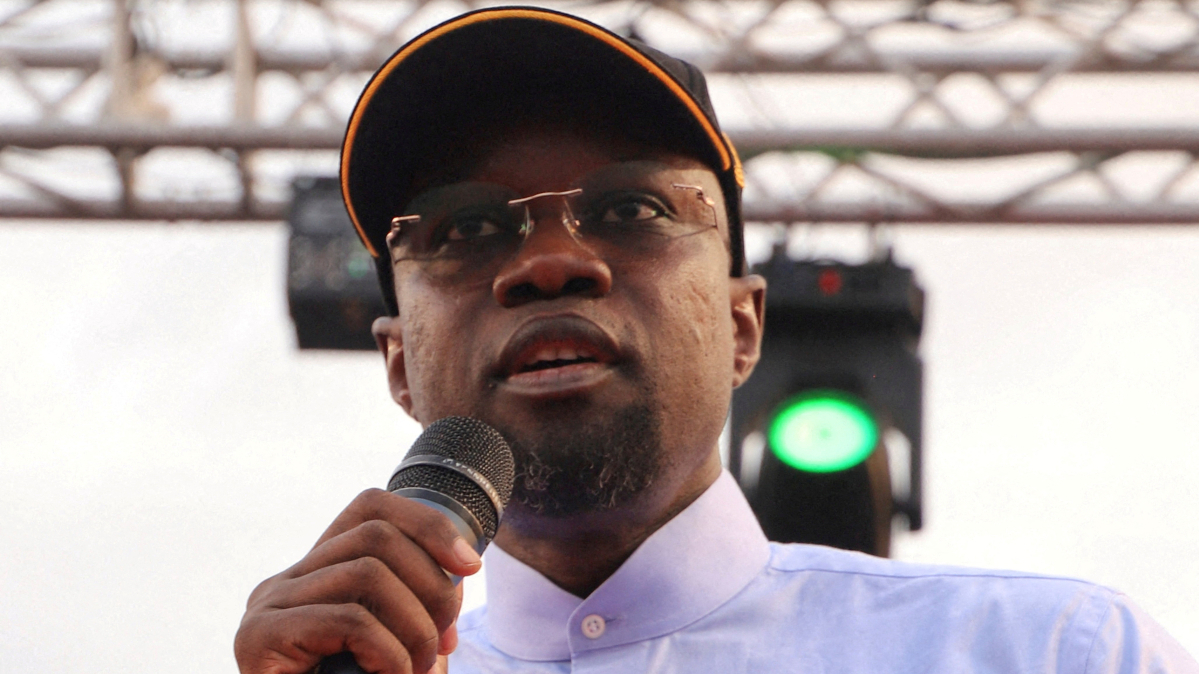
Prime Minister Ousmane Sonko announced the measure on Friday while addressing young people at a rally in the coastal town of Mbour. He said the surge in oil prices - driven in part by escalating tensions involving Iran - has significantly disrupted Senegal’s budget planning.
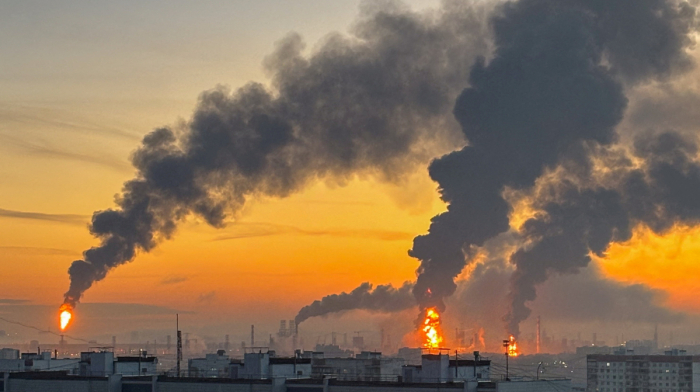
According to Sonko, the price of oil is now nearing double the level originally projected in the national budget, climbing to around $115 per barrel compared to an estimated $62. The spike follows instability in global energy markets, including disruptions linked to the strategic Strait of Hormuz, a critical route for oil shipments.
“No minister will leave the country unless the trip is absolutely essential,” Sonko said, adding that he had already cancelled planned visits to Niger, Spain, and France in line with the new policy.
The travel restrictions are part of a broader effort to rein in public spending as Senegal grapples with mounting economic strain. The government is expected to announce additional measures in the coming days, with the Energy and Mines Ministry set to outline further steps to manage the impact of higher fuel costs.
Across Africa and beyond, governments are responding to the oil price surge with a mix of policies, including fuel subsidy adjustments, tax changes, and electricity rationing. Senegal, despite developing its own oil and gas sector, remains heavily reliant on imported fuel, making it particularly vulnerable to global price swings.
In his remarks, Sonko sought to strike a careful tone, acknowledging the challenges without causing alarm. He described the current global environment as “difficult” but emphasised the resilience of the Senegalese people.
Economic pressures have been building despite recent positive indicators. The International Monetary Fund previously described Senegal’s economy as robust, citing strong growth and relatively low inflation. However, the country’s public debt - estimated at more than 130% of GDP - remains a major concern.
Sonko placed some of the blame on previous administrations, arguing that inherited debt has limited the government’s ability to respond to external shocks like the current oil crisis.
As global uncertainty continues, Senegal’s leadership appears focused on tightening fiscal discipline at home, even as it reassesses its position in an increasingly volatile energy landscape.












What is your opinion on this topic?
Leave the first comment