The U.S. national average retail price of petrol rose above $4 a gallon for the first time in over three years on Monday (30 March), according to GasBuddy data, as the U.S.–Israeli war with Iran continued to roil global energy markets.
The $4-a-gallon milestone was last reached in August 2022 following Russia’s invasion of Ukraine and is widely seen by analysts as a psychological threshold for consumers.
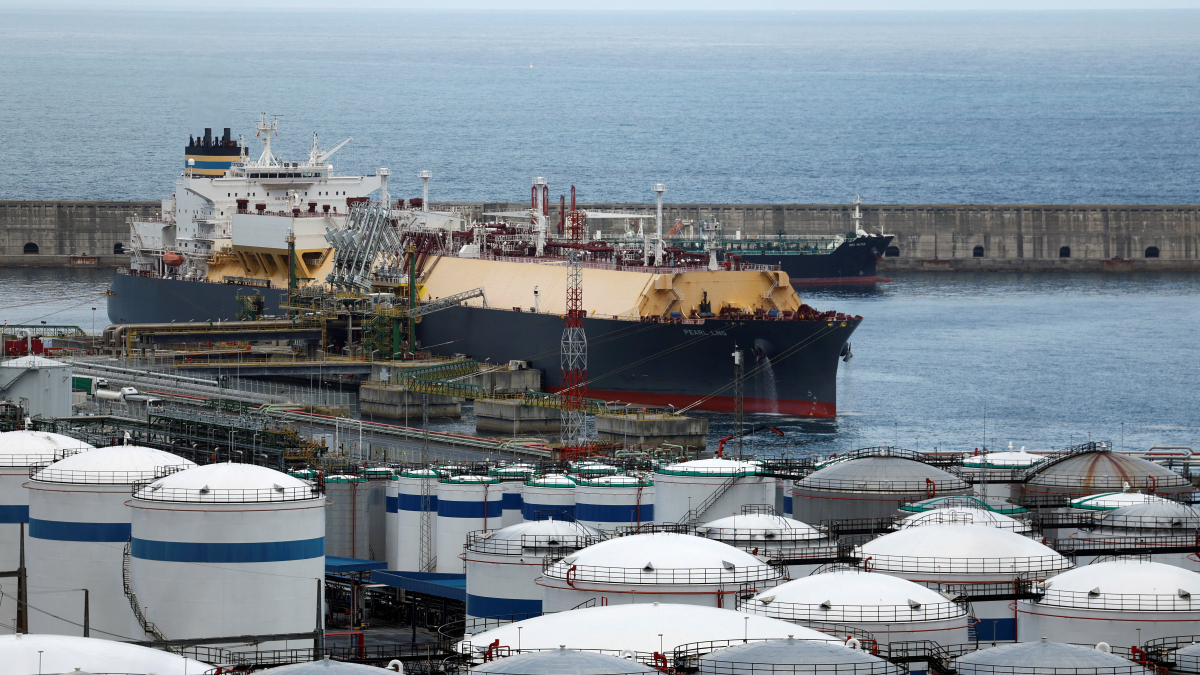
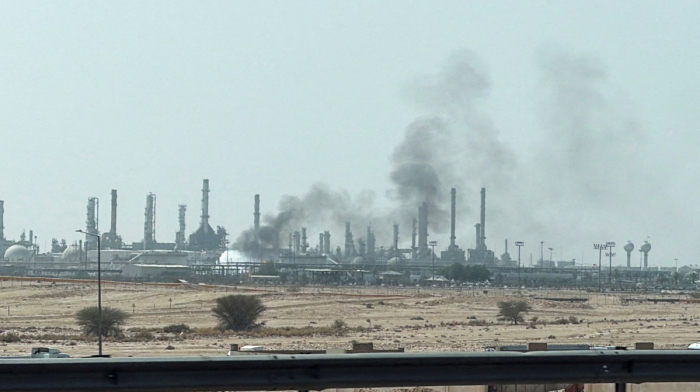
Prices for many goods are rising, including crude oil used to produce petrol, after Iran effectively closed the Strait of Hormuz, a key global trade chokepoint.
Surging fuel costs are beginning to strain U.S. household finances, already under pressure from broader inflation. They have also become a political challenge for U.S. President Donald Trump and his Republican Party ahead of the November midterm elections.
Trump had pledged to reduce energy prices and boost U.S. oil and gas production. However, much of his second term so far has been marked by volatile markets, geopolitical tensions and shifting policies on issues such as tariffs.
U.S. national average retail petrol prices have risen by around $1.06 per gallon, or 36%, since the U.S. and Israel launched attacks on Iran at the end of February.
Raymond James analyst, Pavel Molchanov, said: “A sudden outbreak of war leads to a spike in U.S. gasoline to $4.00 per gallon. That describes the current Iran conflict - and also Russia’s invasion of Ukraine in 2022.
“Then, as now, oil prices surged globally and emergency stockpiles were tapped. However, we expect this crisis to be shorter: whereas petrol remained above $4.00 for 23 weeks in 2022, we anticipate prices beginning to ease in the coming weeks.”
Oil tanker attacks and market volatility
Pump prices could rise further if crude oil continues to climb. U.S. oil futures have surged since the conflict began, settling at $102.88 a barrel on Monday, up $3.24. They rose by more than $3 in Asian trading after Kuwait reported that an oil tanker had been attacked at a Dubai port.
The Trump administration has taken steps to mitigate rising energy costs during the conflict, including issuing a 60-day waiver of the Jones Act shipping law.
The waiver temporarily allows foreign-flagged vessels to transport fuel, fertiliser and other goods between U.S. ports, although industry sources expect it to have only a limited effect on prices.
High petrol prices are already squeezing U.S. households. A Reuters/Ipsos poll found that 55% of respondents said their finances had been affected at least “somewhat” by rising fuel costs. Among those impacted, 21% said their finances had been affected “a great deal.”




















What is your opinion on this topic?
Leave the first comment