An Indian healthcare provider plans to invest $50 million in diagnostic and pharmaceutical projects in Uzbekistan’s Namangan region, aiming to expand access to advanced medical services between 2026 and 2028.
The investment is expected to strengthen medical infrastructure and improve access to advanced diagnostic services over the 2026-2028 period.
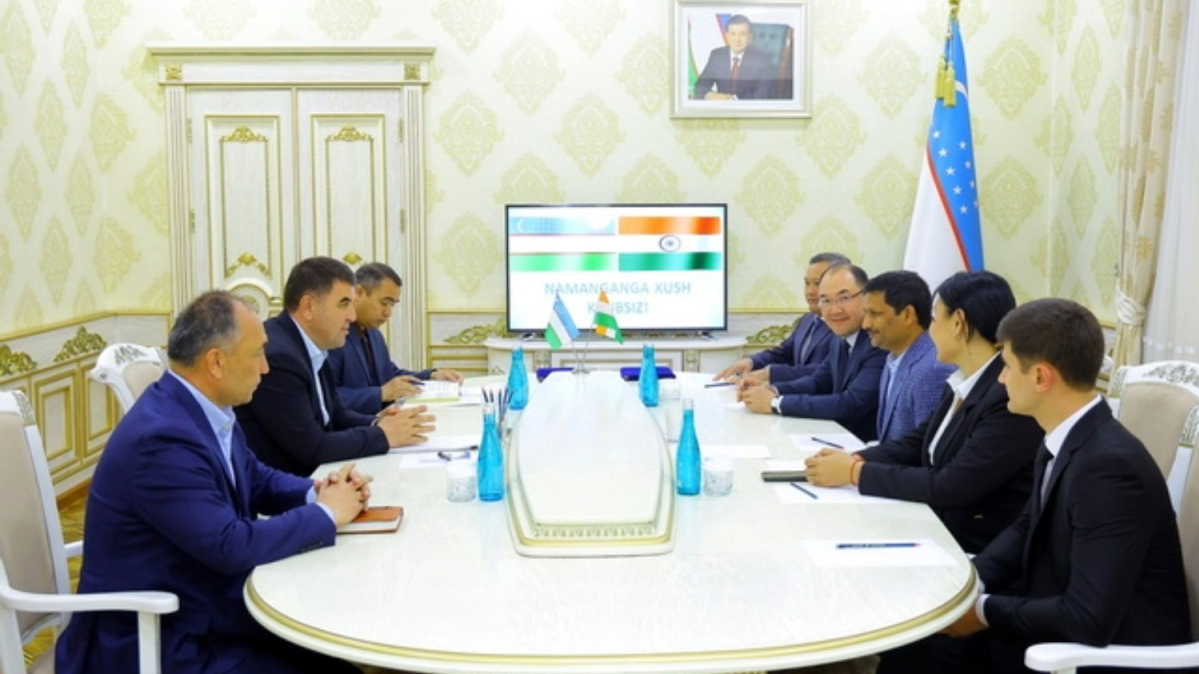
The agreement was reached following a visit by representatives of Krsnaa Diagnostics to medical institutions across the region. During the trip, the delegation assessed existing facilities and explored opportunities for cooperation with local authorities and healthcare providers.
Memorandum signed with regional authorities
Chairman of the board of Krsnaa Diagnostics, Rajendra Mutha, led the delegation, which held talks with regional governor Shavkatjon Abdurazakov.
Following the discussions, the Namangan regional administration and the Indian company signed a memorandum of understanding on implementing investment projects worth $50 million.
Authorities said the agreement reflects both sides’ readiness to cooperate in developing healthcare infrastructure and introducing modern diagnostic technologies.
Officials noted that the planned projects will contribute to expanding investment, as well as industrial and technological cooperation in the region. Implementation is scheduled for the 2026-2028 period.
Focus on diagnostics and medical technology
The initiative is expected to focus primarily on diagnostic services, pharmaceutical development, and the introduction of modern medical equipment. Regional authorities believe the investment could improve access to high-quality medical services and reduce the need for patients to travel to other regions for specialised diagnostics.
The projects may also support the training of local medical personnel and the introduction of digital healthcare solutions. In addition, officials say the initiative aligns with broader efforts to modernise Uzbekistan’s healthcare sector and attract foreign investment into regional medical infrastructure.
About the company
Krsnaa Diagnostics has more than 20 years of experience in pharmaceutical and diagnostic services. The company operates a network of more than 2,000 diagnostic centres and laboratories across over 150 districts in India. Its infrastructure includes more than 150 CT scanners, 100 MRI systems, and approximately 1,800 X-ray centres.
Growing Uzbekistan-India trade ties
Economic cooperation between Uzbekistan and India has expanded steadily in recent years. Bilateral trade has increased since the late 2010s, with Indian exports to Uzbekistan rising from about $109 million in 2017 to around $1.3 billion in 2025, highlighting the rapid expansion of economic ties and growing investor interest in Uzbekistan’s market.
















What is your opinion on this topic?
Leave the first comment