The decision by the United Arab Emirates to leave OPEC+ on 1 May has put renewed focus on one of the most influential groups in global energy - and how its decisions can shape oil prices worldwide.
OPEC was founded in 1960 in Baghdad by five countries: Iraq, Iran, Kuwait, Saudi Arabia and Venezuela. Its goal was to coordinate oil production and secure stable, fair prices for producers.
Today, OPEC includes 12 members, largely from the Middle East and Africa.
Over time, its share of global oil supply has fluctuated. It dominated the market in the 1970s, producing more than half of the world’s crude according to Reuters calculations before the onset of non-OPEC supply sources such as the North Sea.
In later decades, OPEC's share stood at between 30% and 40% but record output growth from rivals such as the United States has steadily eaten into that share.
OPEC in 2016 sought to regain influence by forming an alliance with 10 non-members, including Russia, which it called OPEC+.
As a result, its market share increased to around 51.15 million bpd, or nearly 50% of global oil and oil liquids production, in 2025, according to the International Energy Agency (IEA). In March, a month into the Iran war, that share fell to about 44%.
Why does OPEC+ matter?
OPEC+ plays a central role in setting the balance between oil supply and demand.
When the group agrees to cut production, it reduces the amount of oil available on global markets. This can push prices higher. When it increases output, it can ease supply and bring prices down.
These decisions are typically made at regular meetings, where member countries negotiate production targets. The process can be complex, as each country has its own economic needs and production capacity.
The group says its aim is to maintain market stability. Critics, including U.S. leaders at times, including President Donald Trump, have accused it of influencing prices in ways that benefit producers.
History of influence
OPEC’s ability to shape markets has been evident for decades. One of the most notable examples came during the 1973 Arab-Israeli war, when Arab members imposed an oil embargo on the United States and other countries.
The move caused a sharp rise in prices and led to fuel shortages, highlighting how sensitive the global economy is to disruptions in oil supply.
More recently, OPEC+ played a key role during the COVID-19 pandemic. As demand collapsed, the group agreed to cut output to support prices, a move backed at the time by U.S. President Donald Trump.
Why is UAE leaving and how important is this move?
The UAE joined OPEC in 1967 and is one of OPEC+’s largest producers and the fourth biggest within OPEC. Leaving the group weakens OPEC's market control. It also means the country can pursue it's own independent energy strategies and increase its market share.
Before the latest conflict, it was producing around 3.3 million barrels per day and had the capacity to increase output significantly to as much as 4.5 -5.0 million bpd of crude and oil liquids.
Its role has often been important because, alongside Saudi Arabia, it has spare capacity that can be brought online quickly if needed.
Its departure makes it the largest country to leave the group in recent years, following Qatar (2019), Ecuador (2020) and Angola (2024). Some of those exits were linked to disagreements over production quotas.
Timing of departure is significant
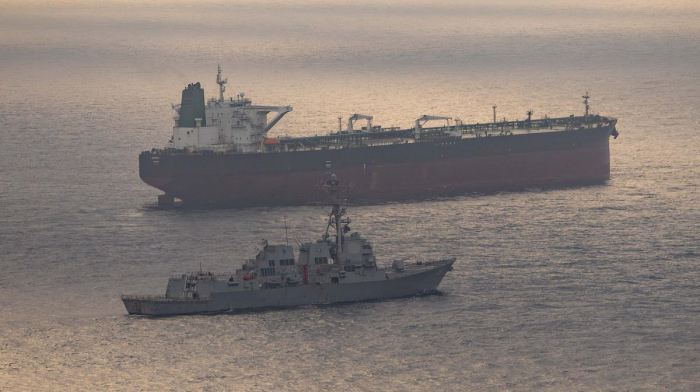
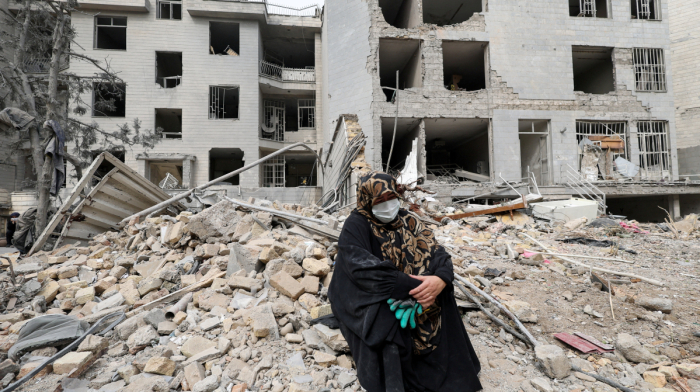
The ongoing conflict involving Iran has disrupted oil flows in the Gulf, particularly around the Strait of Hormuz, a key shipping route for global energy supplies.
As a result, Gulf OPEC+ crude oil production fell by nearly 8 million barrels per day in March versus February as Saudi Arabia, the UAE, Kuwait and Iraq cut output, according to OPEC.
Both Saudi Arabia and the UAE have alternative routes, such as pipelines to the Red Sea and Fujairah, but these cannot fully replace shipments through the Strait of Hormuz.
What does this mean for oil prices?
In the short term, the UAE’s exit may not immediately change global prices. OPEC+ will still control a large share of supply, and key producers such as Saudi Arabia remain central to the group.
However, the move could affect how coordinated future production decisions are made. If major producers act more independently, it could lead to greater volatility in the market.
At the same time, wider geopolitical tensions - including the situation involving Iran - are already shaping supply and demand. Reduced exports, disrupted shipping routes and uncertainty over future production all feed into price movements.














What is your opinion on this topic?
Leave the first comment