Iran is pursuing a dual-track strategy in the Strait of Hormuz, balancing cooperation with South Korea while increasing military pressure, as tensions disrupt shipping and raise concerns over regional stability.
Speaking to AnewZ, Nourhan El-Bayaa, Professor at İstanbul Aydın University, said the international community should take both signals seriously, noting that Iran’s approach is not contradictory from its own perspective.
She explained that Iran is combining diplomatic openness with military escalation to increase the cost of confrontation. “They are showing that they are open for cooperation… to ensure safe navigation… but at the same time they are raising the voice of military escalation to raise the cost of the confrontation,” she said.
El-Bayaa added that this approach reflects both readiness for dialogue and an effort to control the dynamics of the conflict, particularly in its messaging towards the U.S. and Israel.
Controlled disruption in the Strait of Hormuz
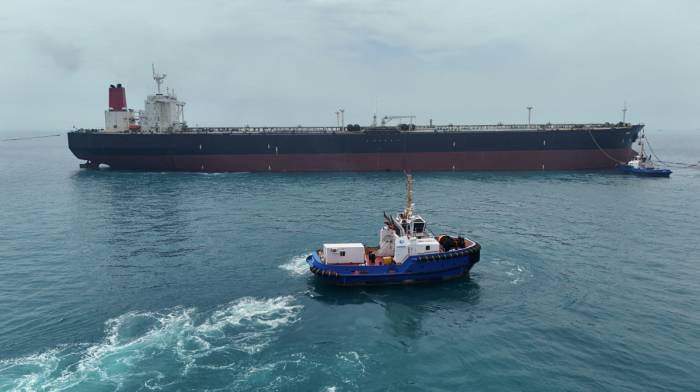
Limited shipping activity in the Strait of Hormuz may not indicate a failure of U.S. strategy. Instead, it could reflect a deliberate effort to sustain pressure without triggering immediate escalation.
“This degree of disruption may represent the intended outcome of this conflict,” El-Bayaa noted, explaining that even minor disruptions in such a critical waterway can create a prolonged sense of risk and instability.
She added that sustained instability may be more effective than a complete shutdown of the Strait, which could provoke rapid geopolitical consequences.
Selective partnerships and regional dynamics
Iran’s outreach to South Korea also highlights its selective approach to international partnerships.
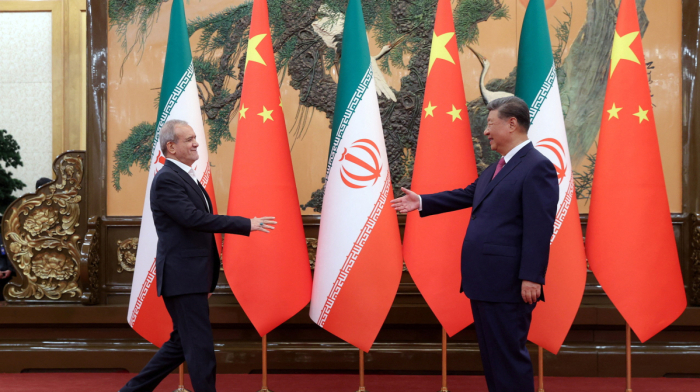
El-Bayaa noted that Tehran is engaging with countries such as South Korea, China and India, which it sees as viable partners during a challenging period.
“This reflects what we call a coordinated coercive strategy,” she said, adding that the U.S. is also working closely with allies including the United Kingdom, France and Italy to maintain maritime security in the region.
Long-term geopolitical impact
Looking ahead, El-Bayaa warned that the effects of the current tensions could be long-lasting. “Even if the conflict ends now, the instability it creates could last at least two years,” she said.
She also pointed to the complexity on both sides, noting Iran’s internal division between diplomatic and military institutions, and the U.S.’s shifting messaging.
“Both sides show strong resilience, making the situation complex,” she said, adding that negotiations are likely to remain prolonged.












What is your opinion on this topic?
Leave the first comment