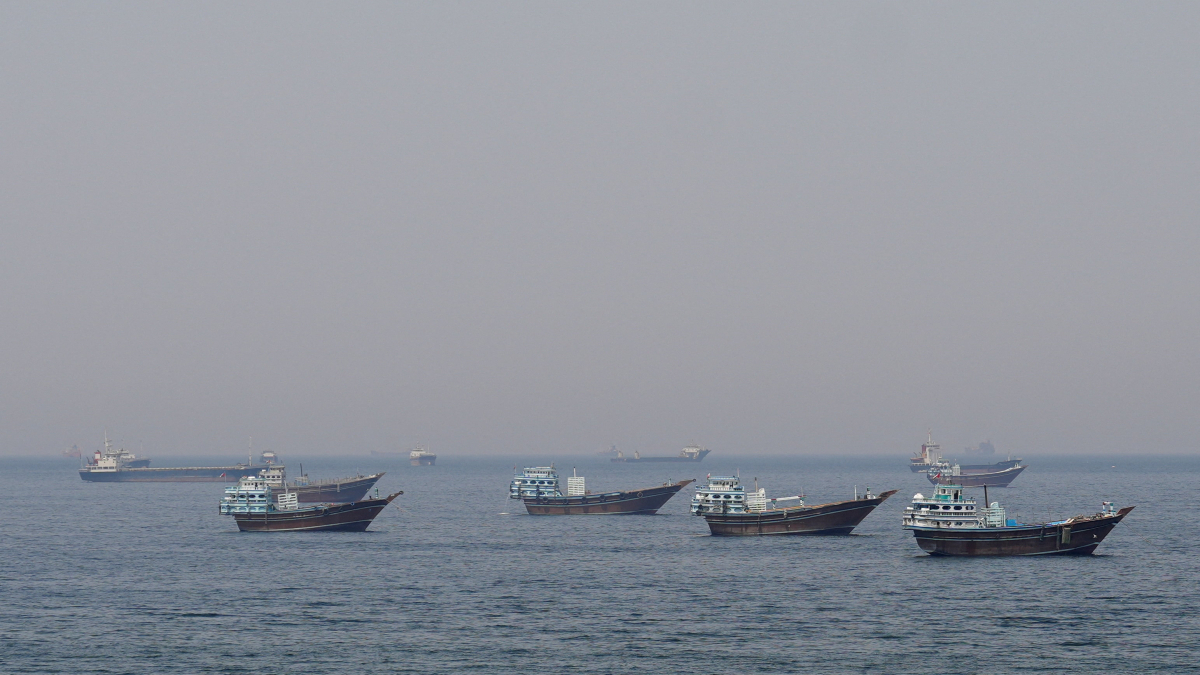
Rising tensions around the Strait of Hormuz are reshaping geopolitical calculations and global shipping, with analysts warning of prolonged disruption even if a ceasefire is reached. Experts say the crisis is driven as much by strategic messaging as by economic risks.
Speaking on AnewZ, political analyst Nuno Wahnon Martins described the current Iran–U.S. standoff as a strategic contest shaped more by messaging and negotiation tactics than by clear military dominance.
“We are facing a war of narratives,” he said, pointing to both Washington and Tehran using pressure to strengthen their positions.
Martins argued that Iran’s perceived leverage, particularly around the Strait of Hormuz, is limited. “The only real ‘upper hand’ Iran has is on the ground,” he noted, adding that geographic factors provide defensive strength but little beyond that.
He also stressed that U.S. threats tied to ceasefire deadlines should be taken seriously, though they remain part of a broader bargaining strategy.
Martins linked the crisis to wider global competition, saying it is “also about the broader U.S.–China competition,” with Washington seeking to curb Beijing’s influence in the region.
According to the analyst, the likely outcome will be “not a full military escalation, but also not a comprehensive agreement”, suggesting a prolonged middle ground.
Shipping risks and long-term market impact
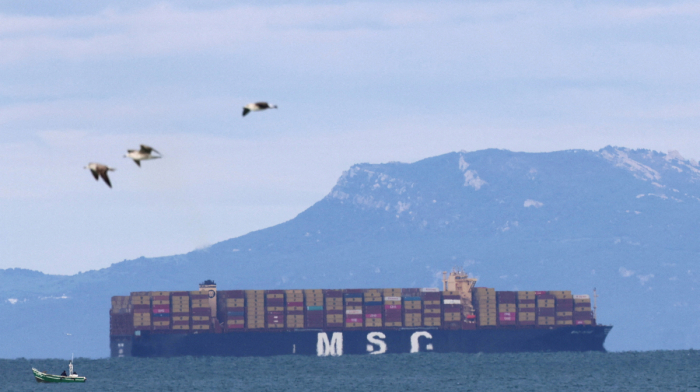
Separately, senior lead analyst at maritime data firm Kpler, Alexis Ellender, warned that the crisis is already altering trade patterns and could have lasting consequences for global shipping.
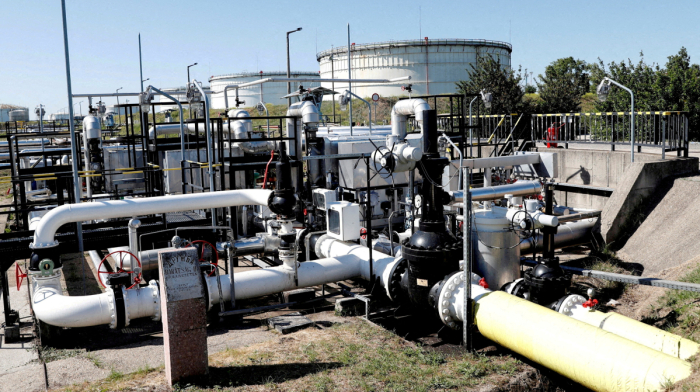
“They’ve seen the vulnerability of trading via the Strait of Hormuz,” he said, referring to Gulf countries, adding they will likely “look to diversify their trade routes”, including pipelines and alternative ports.
Ellender emphasised that disruption will persist even if hostilities ease. “We don’t expect… a return to normal trading condition any time in the near term,” he said, noting that the shipping industry is “very risk-averse.”
The analyst outlined a gradual recovery scenario, explaining that even with a formal ceasefire, shipping flows could take months to normalise.
Initial traffic may reach only “about 25% of normal flows,” followed by a cautious increase to “30 to 50% of normal traffic” before stabilising.
However, he warned that a full return to pre-crisis conditions is unlikely. “There will be a risk premium for the Middle East Gulf, and I expect that will persist for the long term… probably years,” Ellender said.
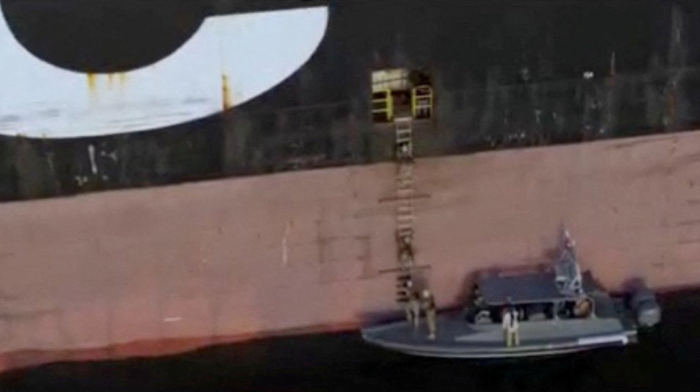
The U.S. military is redirecting at least three Iranian-flagged tankers after intercepting them in Asian waters near India, Malaysia and Sri Lanka, shipping and security sources said on Wednesday. Meanwhile, Tehran said U.S. breaches, blockades and threats are undermining “genuine negotiations.”
The current standoff between the U.S. and Iran is likely to continue in the near term, with both sides seeking to outlast the other rather than escalate into a wider conflict, according to political analyst Orkhan Nabiyev.
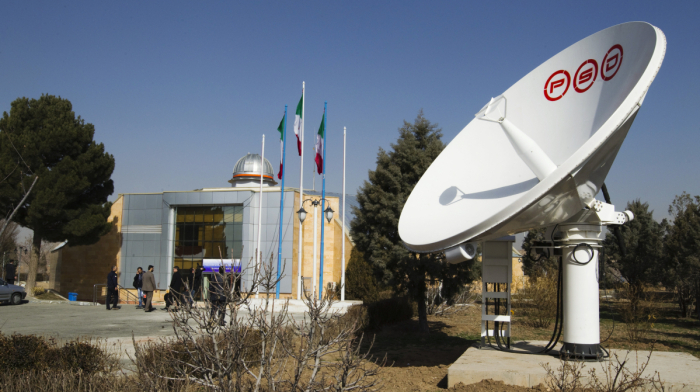
Iran’s Permanent Mission to the United Nations in New York strongly protested against U.S. and Israel targeting multiple civilian infrastructure related to communications and space centre facilities, and also urged regional countries to prevent their territory being used for "military aggression".
The status of a two-week-old ceasefire, due to expire earlier this week, remained unclear. In a sharp turn around hours after threatening renewed violence, President Donald Trump made what appeared to be a unilateral announcement on Tuesday that the U.S. would extend the Iran war ceasefire
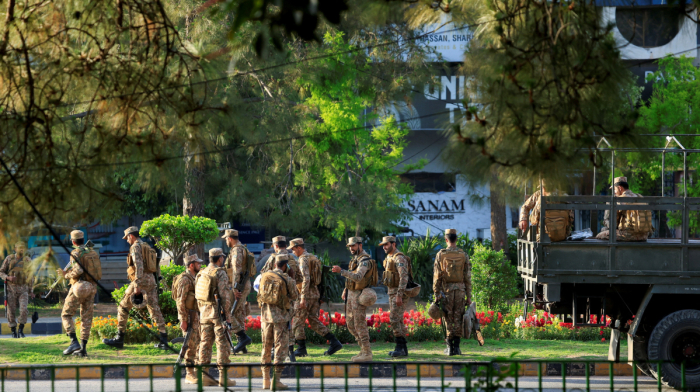
Pakistan is confident it can bring Iran to talks with the United States, a senior official said, citing “positive signals” from Tehran, as JD Vance is reportedly set to visit Islamabad on Tuesday for peace talks, according to Axios.
Iran’s Revolutionary Guards targeted three vessels, seizing two of them for alleged maritime violations and transferring them to Iranian shores, as U.S. President Donald Trump said Washington is extending its ceasefire with Iran until Tehran submits a proposal.
A gunman who killed seven people in a mass shooting in Kyiv on Saturday (18 April) had quarrelled with his neighbour before he opened fire on passersby, public broadcaster Suspilne cited Interior Minister Ihor Klymenko as saying on Tuesday.
Two local trains collided head-on north of Copenhagen on Thursday (23 April), injuring 17 people, five of them critically, according to emergency services.
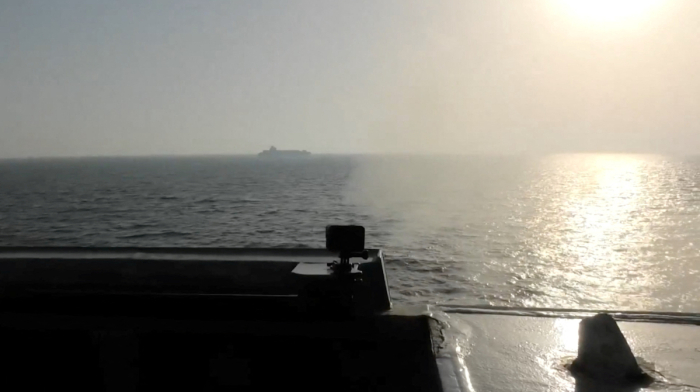
The U.S. military has intercepted at least three Iranian-flagged tankers in Asian waters and is redirecting them away from their positions near India, Malaysia and Sri Lanka, shipping and security sources said on Wednesday, exclusively to Reuters.
The current standoff between the U.S. and Iran is likely to continue in the near term, with both sides seeking to outlast the other rather than escalate into a wider conflict, according to political analyst Orkhan Nabiyev.
Iran’s Permanent Mission to the United Nations in New York strongly protested against U.S. and Israel targeting multiple civilian infrastructure related to communications and space centre facilities, and also urged regional countries to prevent their territory being used for "military aggression".
The status of a two-week-old ceasefire, due to expire earlier this week, remained unclear. In a sharp turn around hours after threatening renewed violence, President Donald Trump made what appeared to be a unilateral announcement on Tuesday that the U.S. would extend the Iran war ceasefire
The U.S. military has intercepted at least three Iranian-flagged tankers in Asian waters and is redirecting them away from their positions near India, Malaysia and Sri Lanka, shipping and security sources said on Wednesday, exclusively to Reuters.
The U.S. military is redirecting at least three Iranian-flagged tankers after intercepting them in Asian waters near India, Malaysia and Sri Lanka, shipping and security sources said on Wednesday. Meanwhile, Tehran said U.S. breaches, blockades and threats are undermining “genuine negotiations.”











What is your opinion on this topic?
Leave the first comment