Syrian President al-Sharaa makes landmark Visa payment as country reconnects with global financial system
A restaurant payment with a Visa card in Damascus has become a symbol of Syria’s reconnection with the global financial system....
An Israeli airstrike killed five Palestinians, including three children, near a mosque in Beit Lahiya in the northern Gaza Strip on Wednesday (22 February), health officials said.
There was no immediate comment from the Israeli military on the incident.
The latest deaths add to ongoing violence that continues to undermine the U.S.-brokered ceasefire agreement signed in October after two years of full-scale war between Israel and Hamas.
Progress on key elements of the deal, including Hamas disarmament and Israeli troop withdrawals, has largely stalled.
Under the current arrangement, Israeli forces remain in control of a depopulated zone covering more than half of Gaza, while Hamas retains control of the remaining narrow coastal strip.
According to local medics, more than 780 Palestinians have been killed since the ceasefire came into effect.
Israel, meanwhile, says four of its soldiers have been killed by militants during the same period, with both sides accusing each other of repeated ceasefire violations.
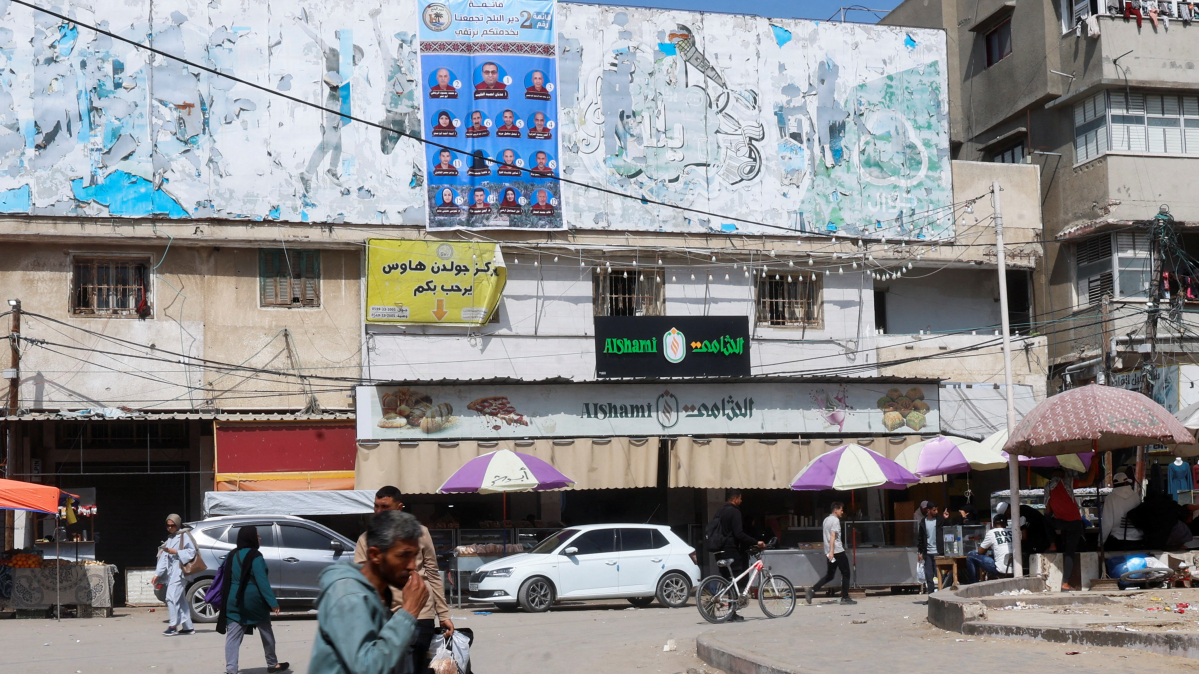
In a separate development, Palestinians in one of the few Gaza cities not overrun by Israeli ground forces during the war are set to vote in municipal elections this weekend.
Some candidates are linked to Hamas, making the vote a rare indicator of the group’s current level of support.
This will be the first election held in Gaza since 2006, when Hamas won the Palestinian Authority’s legislative elections before taking control of the territory after a brief internal conflict with Fatah, which remains dominant in the West Bank.
The elections come as U.S. President Donald Trump’s proposed “Board of Peace” advances a vision for post-war Gaza. The plan envisions rebuilding the territory from scratch under an apolitical committee of Palestinian technocrats.
Supporters of the elections say they carry broader political meaning.
Palestinian political analyst Reham Owda described the vote as “a symbolic step to send a message to the world, to the Board of Peace, and to Israel that the Gaza Strip is an inseparable part of the Palestinian political system.”

Oil prices fell after the U.S. expanded economic sanctions on Iran, as Tehran vowed to retaliate and warned it had tools to respond, raising concerns over potential disruption to regional oil supplies.
Rescuers in Nepal used helicopters on Thursday to scour for hundreds still missing after a wall of mud and rock collapsed into a river on the Himalayan border with China's Tibet, sending catastrophic floods through towns and valleys, killing 162 people.
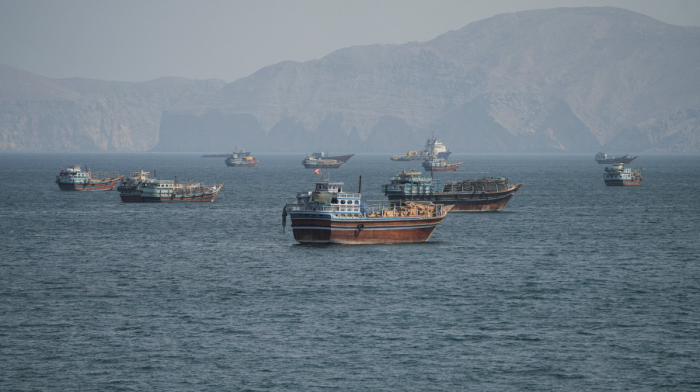
Secretary of State Marco Rubio told allied foreign ministers Washington will focus on sanctions and other pressure on Iran “for the time being”, Axios reports. Meanwhile, Iran and Oman have resumed talks on a temporary shipping route through the Strait of Hormuz.
Kyiv has recently received a small number of U.S.-made Patriot interceptors capable of downing Russian ballistic missiles, Ukrainian President Volodymyr Zelenskyy has said. It comes as Britain and France pledged stronger military support for Ukraine.
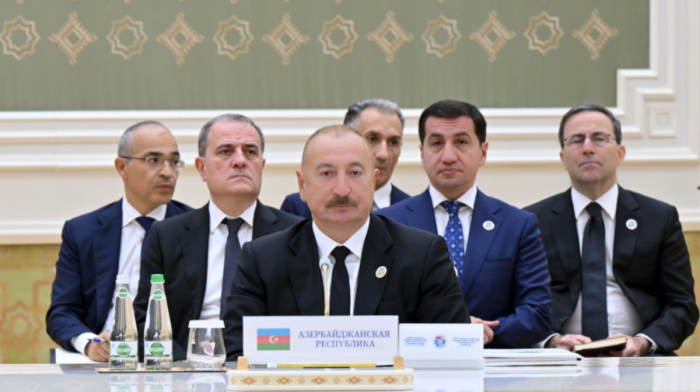
Iranian President Masoud Pezeshkian has called for greater economic cooperation among Muslim countries, saying their combined economic weight remains disproportionately small compared with their population, strategic location and resources.
The inaugural Silk Road Finance & Technology Forum brought together policymakers, investors and technology companies as Central Asia looks to build a more connected financial system and compete for a bigger share of global fintech investment.
Uzbekistan's region of Karakalpakstan is developing three cryptocurrency mining facilities and three data centers with a combined investment of $5.1 billion, as the region seeks to attract larger and higher-quality investments.
A restaurant payment with a Visa card in Damascus has become a symbol of Syria’s reconnection with the global financial system.
The Silk Road Finance & Technology Forum will bring more than 6,000 policymakers, investors and technology leaders from 74 countries to Tashkent, as Central Asia seeks a bigger role in the global fintech landscape.
Kazakhstan is considering the Baku-Supsa pipeline as an alternative oil export route after Caspian Pipeline Consortium disruptions cost the country an estimated 3.5 million tonnes of oil, Energy Minister Yerlan Akkenzhenov said.
You can download the AnewZ application from Play Store and the App Store.
What is your opinion on this topic?
Leave the first comment