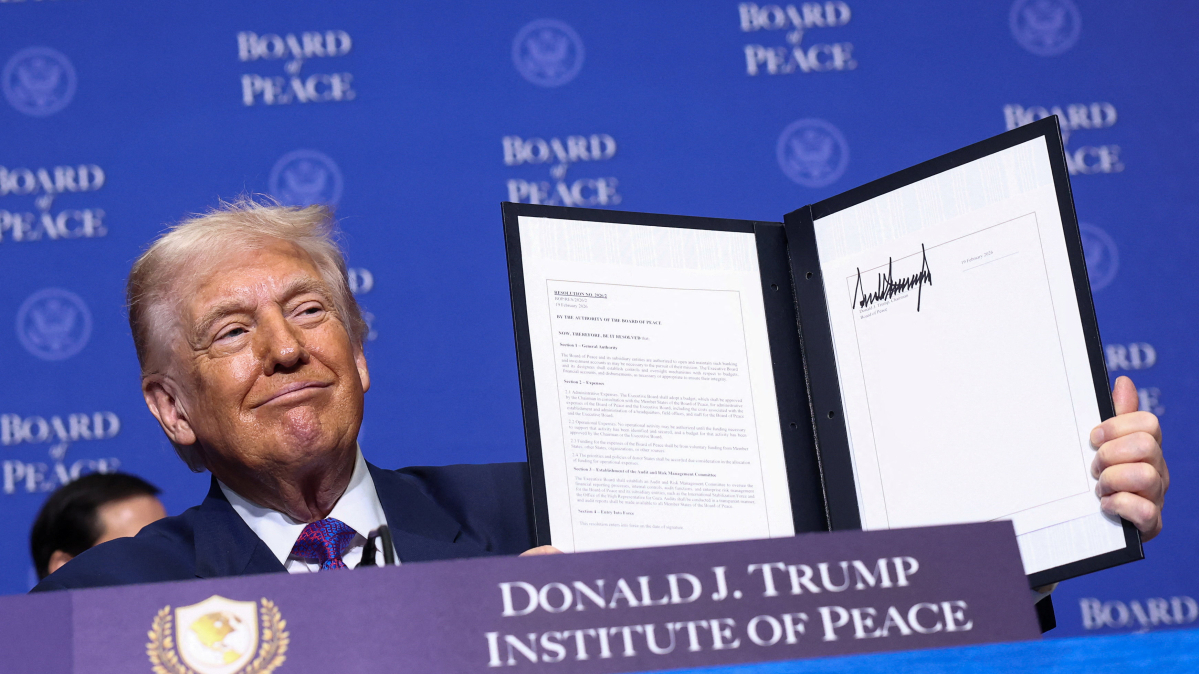
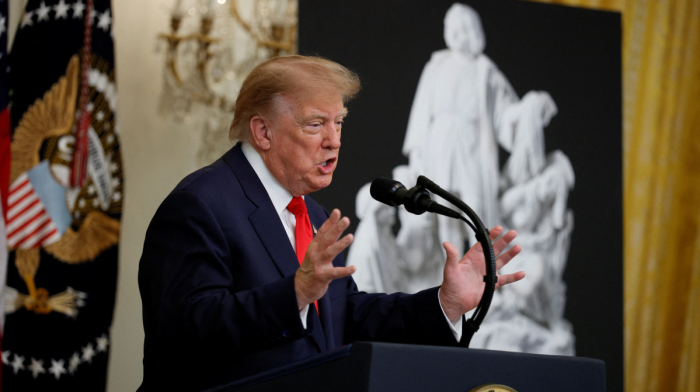
Donald Trump’s flagship plan for post-war Gaza has come under scrutiny after reports that its financing is falling short of expectations, claims firmly rejected by the White House-backed Board of Peace.
The initiative, designed to oversee Gaza’s governance and reconstruction after years of war, is backed by pledges of around $17 billion from international donors. However, sources familiar with the process told Reuters that only a small fraction of that money has been delivered so far, slowing preparations on the ground.
At the centre of the plan is the Board of Peace, which is meant to coordinate funding, oversee a transitional Palestinian administration, and support the creation of the National Committee for the Administration of Gaza (NCAG), a technocratic body intended to take over civilian governance from Hamas in due course.
But in a statement posted on social media on Friday, the Board of Peace rejected the suggestion that it is facing financial problems, describing the reporting as “fundamentally wrong and misleading”.
“The Board of Peace is a lean, execution-focused organisation that calls capital as needed,” it said. “There are no funding constraints. To date, all funding requests have been met immediately and in full.”
The comments came after reports citing sources involved in the process that said only a limited number of pledged donors had transferred funds, leaving the overall contribution well below expectations. Those sources said this had delayed the NCAG’s ability to deploy into Gaza.
The Board, however, insisted that the programme remains fully funded in practice, arguing that financing is released on a needs basis rather than held in advance. Representatives for the NCAG did not immediately respond to requests for comment.
Gaza transition plan
The NCAG, led by former Palestinian Authority deputy minister Ali Shaath, is intended to eventually assume control of Gaza’s ministries and oversee a new local police force. Its members are currently based in Cairo under international supervision while planning continues.
Diplomatic sources say broader negotiations over Gaza’s future remain stuck, particularly over the disarmament of Hamas and the conditions for Israeli withdrawal. Egypt has been hosting discussions between Palestinian factions, but key issues remain unresolved.
The wider backdrop is a fragile ceasefire agreement reached last October, which halted full-scale fighting but left Israeli forces controlling large parts of Gaza while Hamas retained authority in smaller areas. Both sides continue to accuse each other of violations.
The war began after Hamas’s 7 October 2023 attacks on Israel, which killed around 1,200 people, according to Israeli figures. Palestinian health authorities say the subsequent Israeli campaign has killed tens of thousands in Gaza and displaced most of its population.
While humanitarian agencies estimate reconstruction could cost tens of billions of dollars, the Board of Peace maintains that funding arrangements are functioning as intended and that reports of a cash shortfall do not reflect the reality of its operations.










What is your opinion on this topic?
Leave the first comment