A potential call between U.S. President Donald Trump and Taiwan President Lai Ching-te has triggered sharp warnings from China, underlining once again how sensitive Taiwan remains in relations between Beijing and Washington.
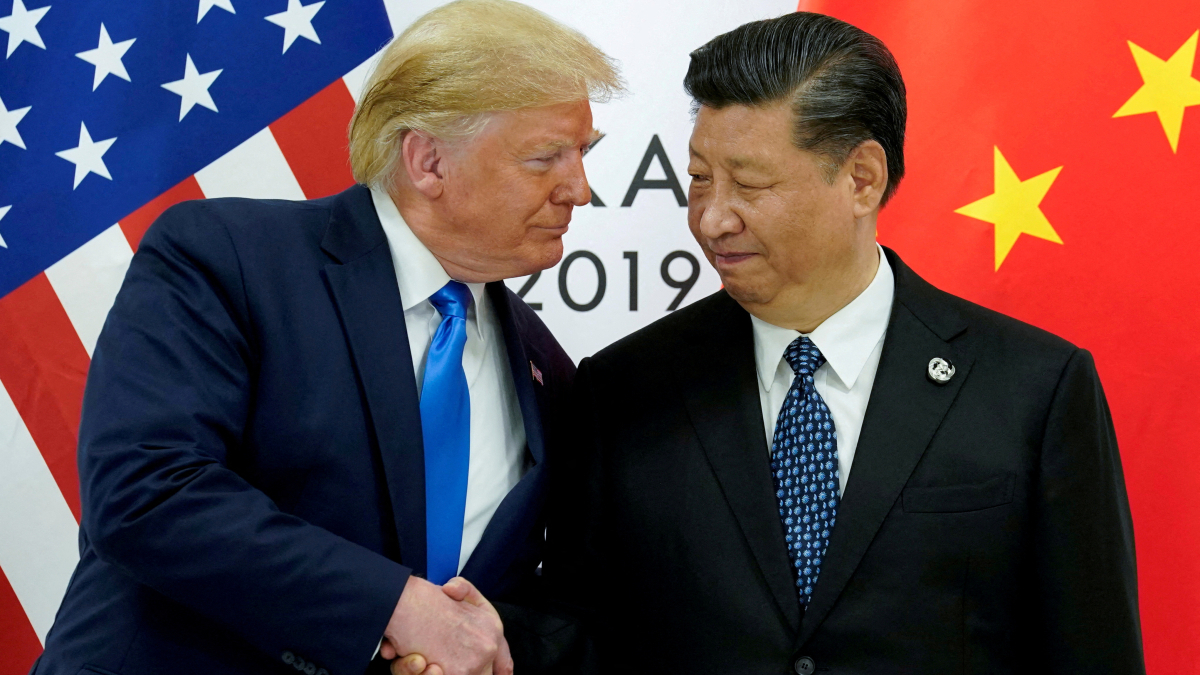
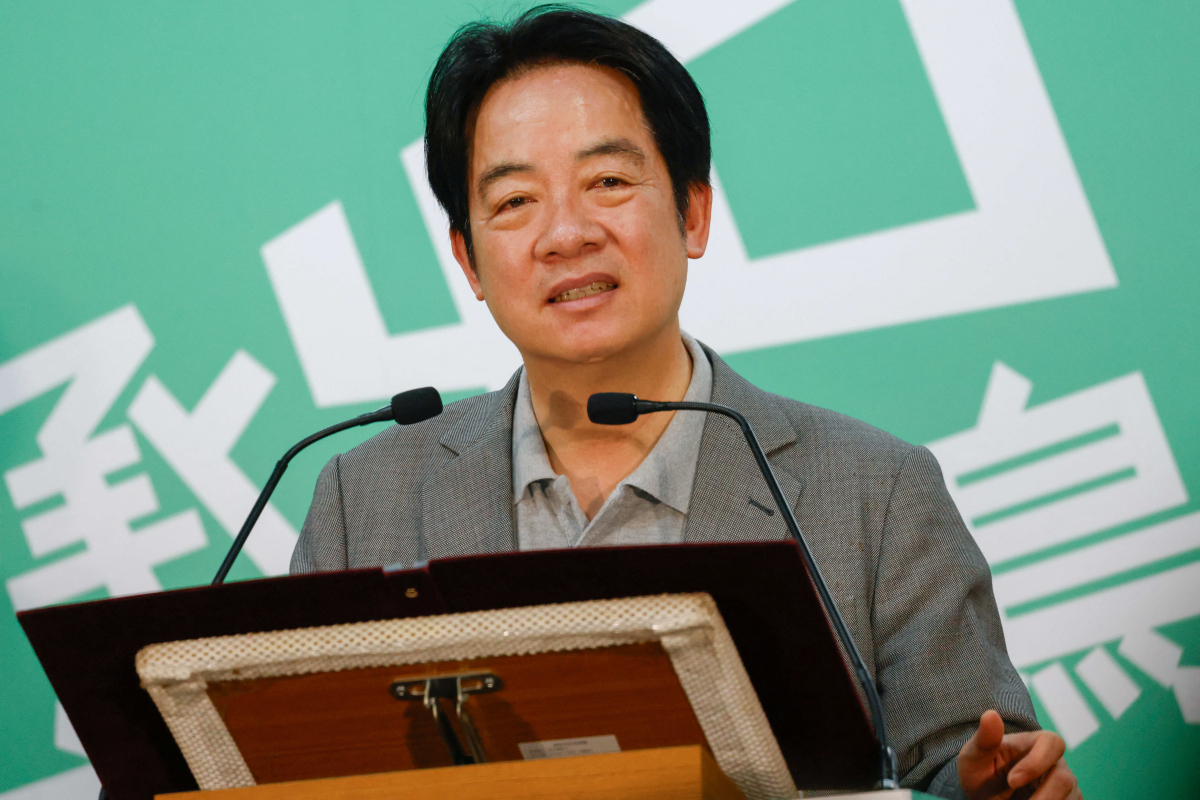
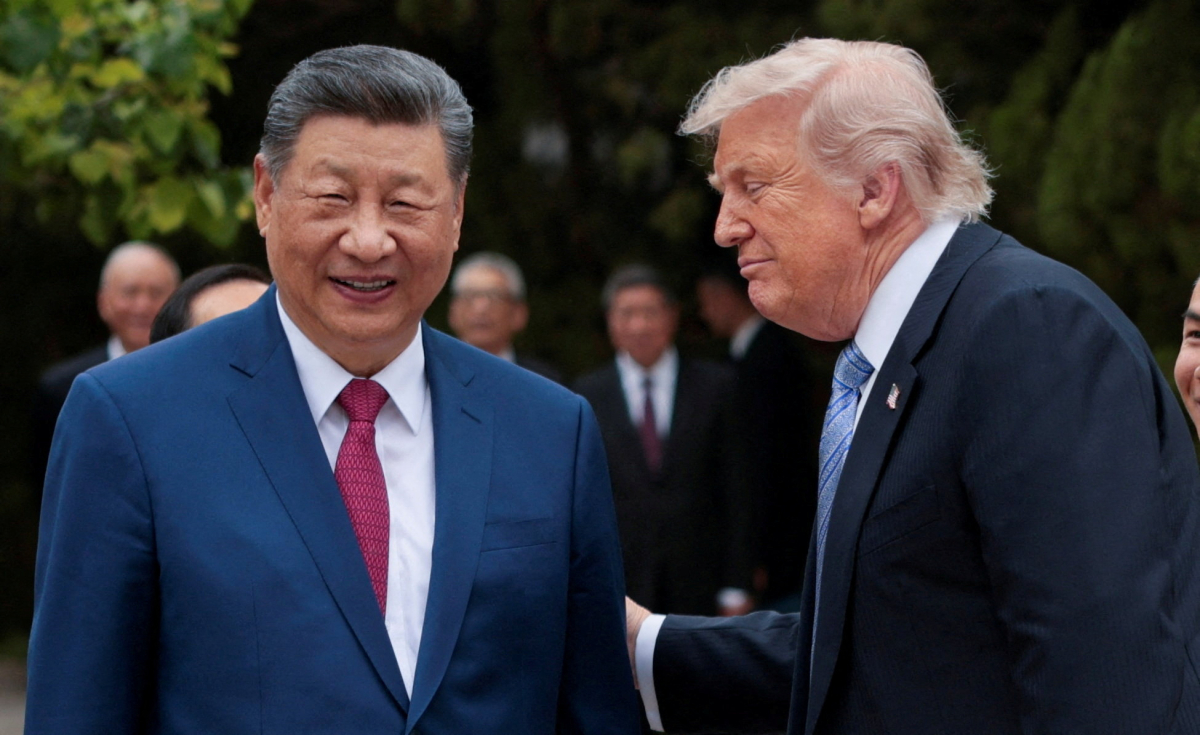
Trump said this week he planned to speak with Lai, a move that would be unprecedented for a sitting U.S. president. The comments came shortly after Trump met Chinese President Xi Jinping and appeared to confirm that the idea of direct contact with Taiwan’s leader was deliberate rather than a verbal slip.
While neither Washington nor Taipei has confirmed when such a conversation could take place, Taiwan said it would welcome the exchange. Beijing, however, responded with a warning, urging the United States to “handle the Taiwan issue with extreme caution.”
Why Taiwan is so sensitive for China
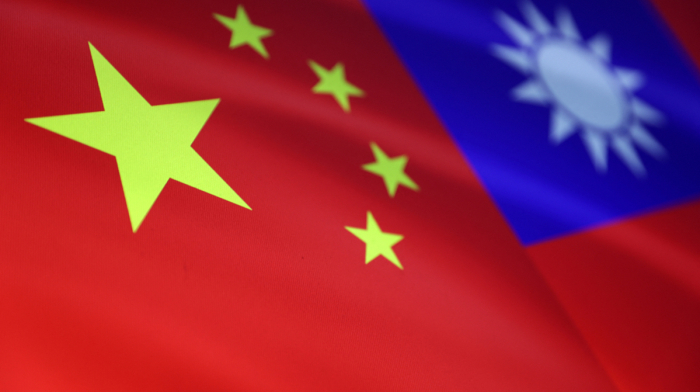
China considers Taiwan the most important issue in its foreign policy and national security agenda. Beijing views the self-governed island as part of Chinese territory and says reunification is inevitable.
The dispute dates back to the Chinese civil war in 1949, when the defeated Republic of China government fled to Taiwan after losing to Mao Zedong’s communist forces, which established the People’s Republic of China on the mainland.
Since then, Beijing has insisted Taiwan is a Chinese province with no right to international recognition as a sovereign state. Chinese leaders have repeatedly said they prefer “peaceful reunification,” but they have never ruled out the use of force.
For China, any direct engagement between foreign leaders and Taiwan’s president risks undermining its sovereignty claims and encouraging what Beijing describes as “separatist forces.”
Beijing’s reaction to previous U.S.-Taiwan contacts
China has a history of responding aggressively to high-level U.S.-Taiwan interactions.
In 2022, Beijing launched extensive military exercises around Taiwan after then-U.S. House Speaker Nancy Pelosi visited Taipei. The drills included missile launches and large-scale naval and air force operations near the island.
China has also carried out several rounds of military exercises in response to American arms sales and diplomatic gestures towards Taiwan.
The latest tensions follow the Trump administration’s approval earlier this year of an $11 billion arms package for Taiwan, reportedly the largest such deal to date.
Analysts warn that a direct Trump-Lai call could prompt Beijing to stage fresh military manoeuvres near the island, increase diplomatic pressure on Washington or intensify military activity in the Taiwan Strait.
Taiwan says it is already independent
Taiwan strongly rejects China’s sovereignty claims.
The island operates as a democratic political system with its own government, military and constitution under the formal name the Republic of China. Taiwanese officials argue that only the island’s people have the right to decide their future.
Lai has repeatedly called for dialogue with Beijing, although China has refused talks and regularly labels him a “separatist”.
Taiwan also insists it has the right to maintain relations with other countries and engage with global leaders.
The United States’ delicate balancing act
The United States switched diplomatic recognition from Taipei to Beijing in 1979, formally acknowledging the government of the People’s Republic of China.
However, Washington continues to maintain unofficial relations with Taiwan through the Taiwan Relations Act, which commits the U.S. to helping the island defend itself.
Under the longstanding “One China” policy, the United States does not formally recognise Taiwan as an independent state, nor does it officially endorse Beijing’s sovereignty over the island.
At the same time, Washington has continued supplying weapons to Taiwan and maintaining close political and economic ties with Taipei.
The U.S. has also referenced the so-called Six Assurances, security commitments first made during the administration of former President Ronald Reagan. These include promises that Washington would not consult Beijing before approving arms sales to Taiwan and would not pressure Taipei into negotiations with China.
Trump’s earlier Taiwan controversy
This is not the first time Trump has unsettled Beijing over Taiwan.
In late 2016, shortly before taking office, Trump held a phone conversation with then-Taiwanese President Tsai Ing-wen. It was the first known direct contact between a U.S. president or president-elect and a Taiwanese leader in decades.
At the time, China issued a formal diplomatic protest but stopped short of a major escalation, instead accusing Taiwan of staging what it called a “petty action.”
This time, however, analysts say Beijing may react more forcefully amid already strained U.S.-China relations, rising military tensions in the Indo-Pacific and growing competition between the world’s two largest economies.












What is your opinion on this topic?
Leave the first comment