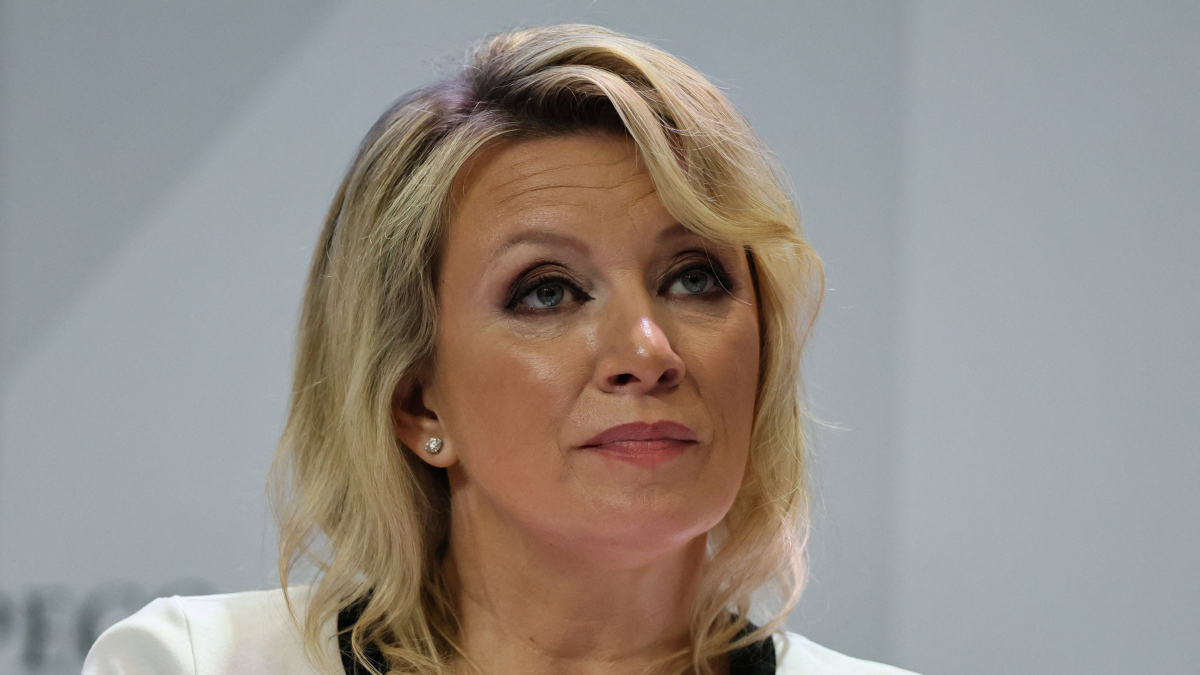
Russia has once again offered warm words to Tbilisi, with Foreign Ministry spokeswoman Maria Zakharova praising Georgia's efforts to safeguard its sovereignty and saying Moscow is ready to deepen ties.
The remarks come as much of the wider South Caucasus appears to be moving in the opposite direction.
Speaking at a briefing in Moscow, Zakharova said Russia understood Tbilisi's efforts to end what she called external diktat and engage with foreign partners on equal terms. She added that Moscow was ready to expand cooperation with Georgia, describing the relationship as one of the key drivers of the country's economic growth, and insisted these intentions were genuine.
The comments are far from new. Kremlin officials have repeatedly praised the Georgian government's policies in recent years, often pointing to booming trade and tourism links between the two countries as evidence that practical cooperation can continue even without formal diplomatic relations, which were severed after the 2008 war.
Tbilisi, for its part, has remained silent in response to such statements. The ruling party has avoided directly addressing Moscow's praise while continuing to emphasise the importance of careful, balanced diplomacy with Russia. Officials have cited economic ties as one reason Georgia did not join Western sanctions imposed following Russia's invasion of Ukraine, arguing that doing so risked opening what they describe as a second front and drawing the country into a wider confrontation it cannot afford.
Georgia increasingly isolated from regional trend
That position places Georgia in an increasingly unusual position. Since the war in Ukraine began, the South Caucasus has been viewed by many in the West as a region with a rare opportunity to reduce Russian influence, and Georgia's neighbours appear to be moving in that direction.
Azerbaijan and Armenia have made significant progress in a long-stalled peace process, while Armenia has moved decisively towards the West. In May, Yerevan signed a comprehensive strategic partnership charter with the U.S., alongside a framework agreement on the Trump Route for International Peace and Prosperity.
Armenia's westward shift gathers pace
That shift was reinforced this week by Armenia's parliamentary election, in which Prime Minister Nikol Pashinyan's pro-European party secured a clear victory despite what officials described as Russian pressure ahead of the vote.
The result is widely seen as a sign of Armenia's continued pivot towards the EU and Washington, even as Moscow reportedly threatened to cut favourable energy supplies if Yerevan pressed ahead with EU accession.
Against that backdrop, Russia's continued praise for Georgia, and Tbilisi's continued silence in response, stand out. Whether Georgia's approach reflects pragmatic balancing or a deeper alignment with Moscow remains a matter of debate among analysts and within Georgian society itself, but the contrast with its neighbours is becoming increasingly difficult to ignore.












What is your opinion on this topic?
Leave the first comment