Finance ministers across East Africa unveiled their 2026/27 budgets on Thursday, as investors assessed how governments plan to protect their economies from shocks linked to the ongoing Iran war while managing rising debt levels.
Kenya’s finance minister warned that global geopolitical tensions could limit efforts to reduce the fiscal deficit, while Uganda’s minister projected a return to double-digit growth, buoyed by the expected start of oil production.
The region is highly exposed to trade disruptions caused by the conflict, given its reliance on imported fuel and fertilisers. This prompted the African Development Bank to lower the regional growth forecast for 2026 from 5.3% to 5%.
Kenya: gradual deficit reduction amid multiple risks
Kenya set a budget deficit target of 5.5% for the current fiscal year, aiming to reduce it gradually to 3% by 2028/29. Finance Minister John Mbadi noted that both domestic and external risks could undermine these targets: climate shocks affecting agriculture and infrastructure, commodity price volatility, weaker global growth, and tighter financial conditions.
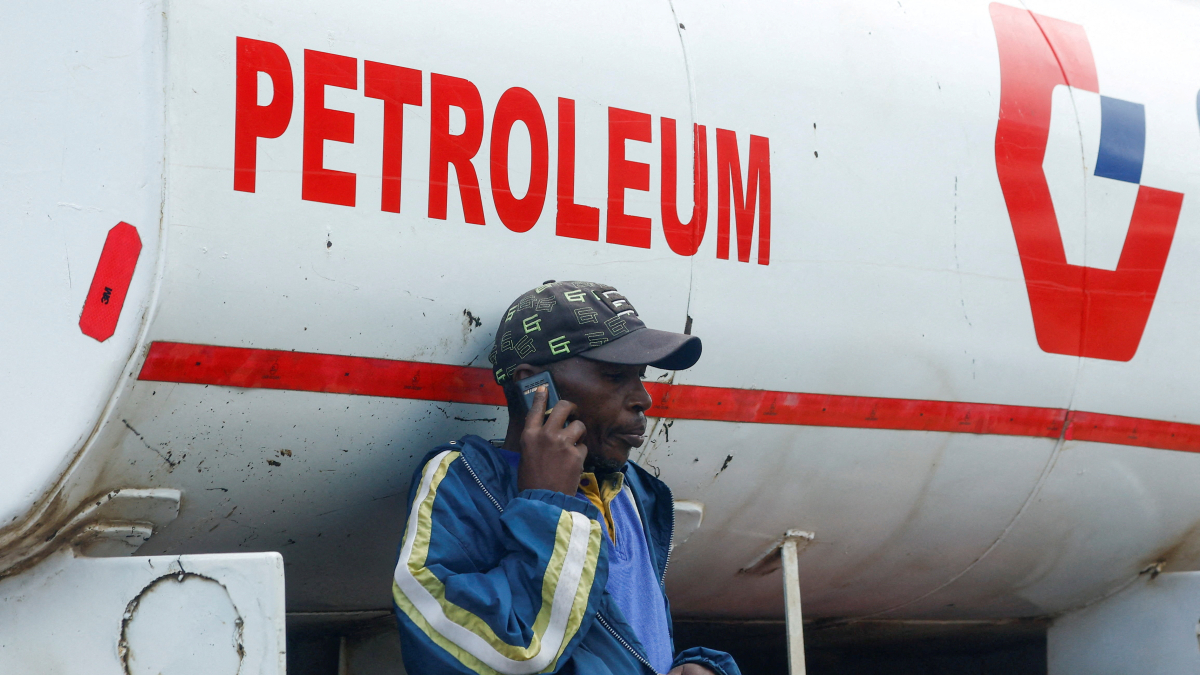
Recent protests over high fuel prices and repeated underperformance against budget targets have heightened investor scrutiny. Andrew Matheny, senior economist at Goldman Sachs, said investors will seek evidence of credible fiscal measures, such as spending cuts or realistic revenue plans.
Uganda: oil production expected to drive growth
Uganda raised its budget by 3.5%, with Finance Minister Henry Musasizi forecasting 10.2% growth in the new fiscal year, driven by the start of commercial oil production. He said the expansion would create jobs, raise household incomes, and generate resources to invest in education, healthcare, infrastructure, security and other public services.
Tanzania: self-reliance amidst external pressures
Tanzania plans to prioritise domestic revenue collection, following a decline in aid from wealthier nations and rising debt pressures. Finance Minister Mussa Omar said this required accelerating efforts toward economic self-reliance.
The government expects growth to rise to 6.3% this year, up from 5.9% last year, with potential opportunities arising from the Iran war. Planning Minister Kitila Mkumbo highlighted prospects for transhipment services and investment in gas production, as investors seek alternatives to the Gulf region.
Read more:














What is your opinion on this topic?
Leave the first comment