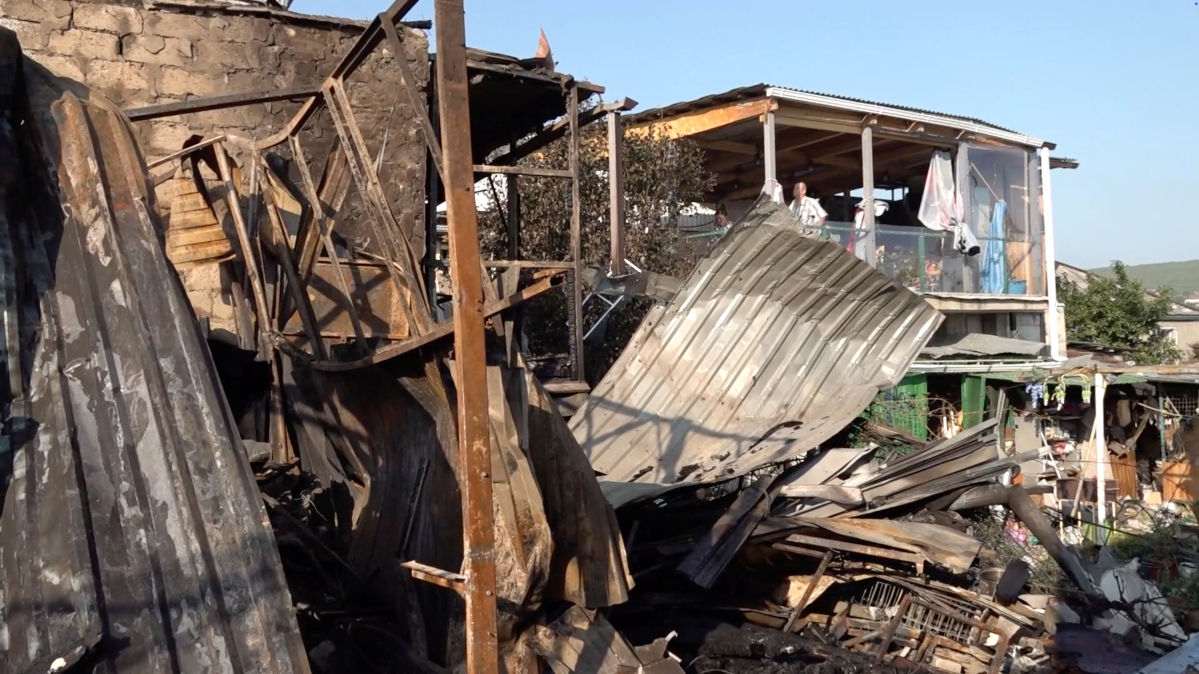
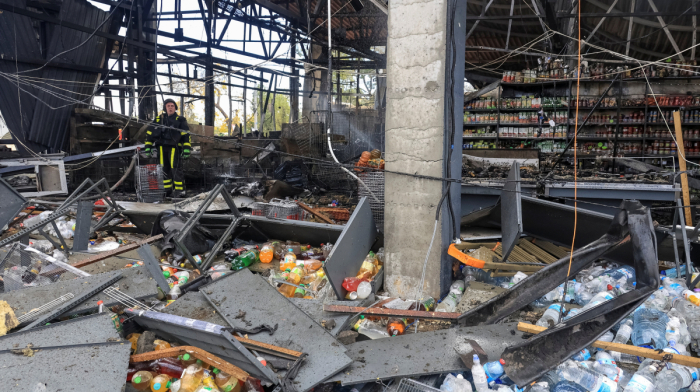
At least 437 civilians were killed and 2,610 injured in Ukraine in July, according to UN investigators, marking the highest monthly civilian casualty toll since March 2022.
The UN said the figure represented a 30 per cent increase from June and a 70 per cent increase from July 2025. Civilian casualties also rose in Russia, where 79 people were killed and 601 injured in July.
Since the war in Ukraine began on 24 February 2022, the UN has verified the deaths of at least 16,874 civilians, including 820 children, while 51,173 people have been injured, including 3,126 children. The full-scale Russian invasion of Ukraine is now in its fifth year, with no diplomatic solution in sight.
Ukraine targets Russian energy infrastructure
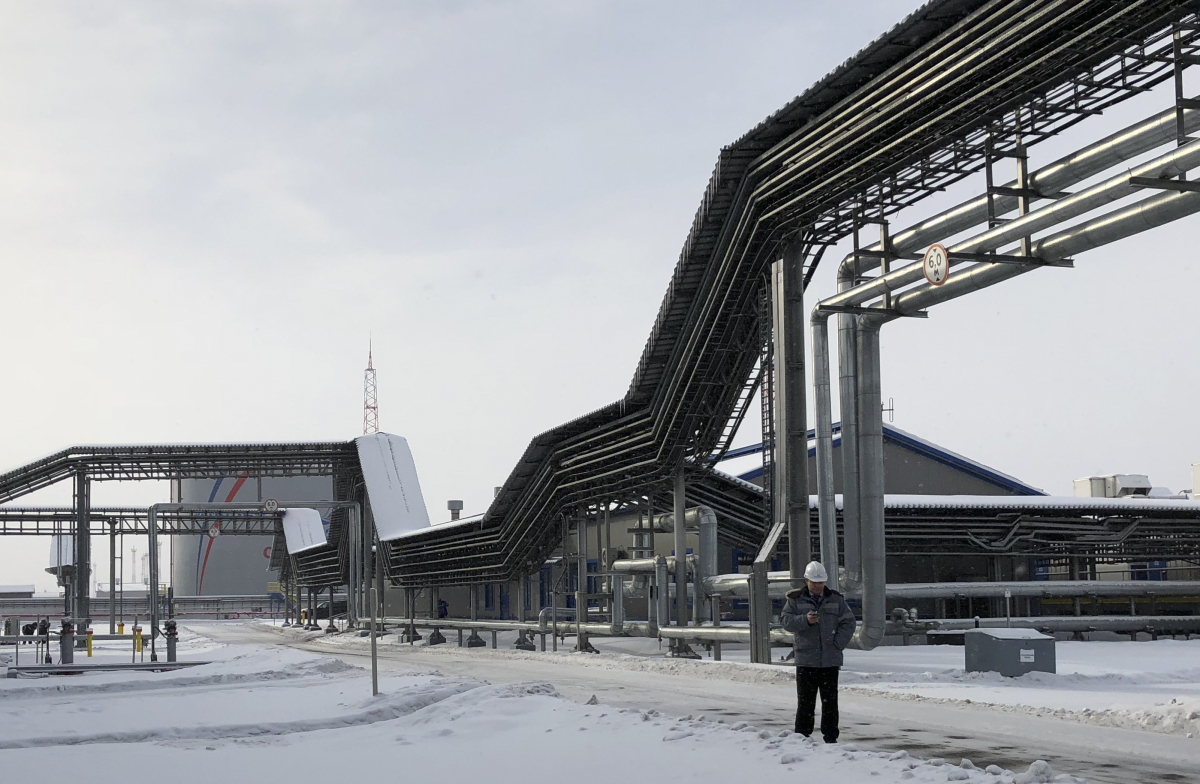
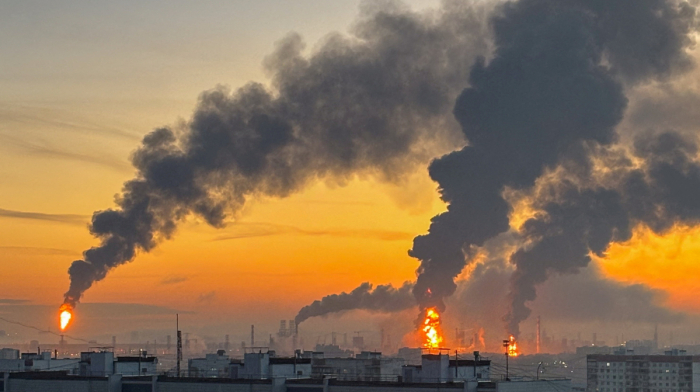
Meanwhile, firefighters were battling a blaze on Friday at Russia’s Baltic Sea port of Ust-Luga, a major hub for oil and energy exports, after a drone attack sparked the fire, Leningrad region Governor Alexander Drozdenko said on Telegram.
More than 50 drones were reportedly downed over the Leningrad region as Russian authorities continued efforts to repel the attack around Ust-Luga, which handles large volumes of oil and petroleum exports.
Ukrainian drones also struck a major oil refinery deep inside Russia, according to Ukrainian military officials, marking the fourth refinery targeted in three days as Kyiv continues its campaign against Russia’s energy sector. Ukraine’s General Staff said the refinery is one of Russia’s largest and can process up to 74 million barrels of oil annually, producing petrol, diesel and other petroleum products.
Ukrainian officials say the strikes are aimed at reducing Russia’s ability to generate revenue for its military campaign. The attacks have affected Russia’s refining capacity and contributed to fuel shortages at some petrol stations, although there has been no indication that the campaign has prompted Moscow to seek a peace agreement.
Russian Black Sea grain terminals under threat
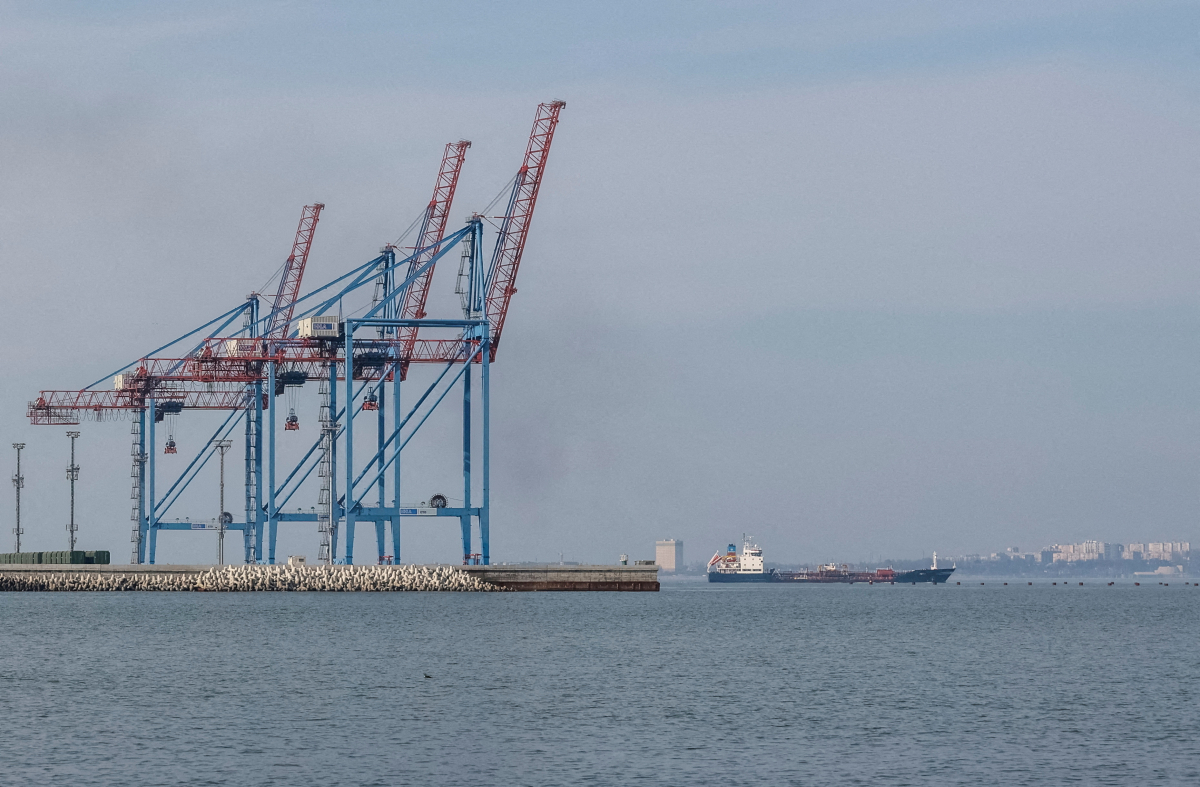
A massive Ukrainian drone and missile attack struck Russia’s Black Sea port of Novorossiysk earlier this week, damaging two major grain export terminals and targeting Russia’s main remaining naval base on the Black Sea, according to reports.
Ukrainian President Volodymyr Zelenskyy said Kyiv had used rockets, jet drones and naval drones in what he described as a “unique operation” targeting the Russian naval base. He did not mention damage to the grain terminals.
Most of Russia’s Black Sea Fleet is now based in Novorossiysk after being forced to relocate from Sevastopol in Russian-occupied Crimea, which has been increasingly exposed to Ukrainian attacks.
Kyiv proposes Black Sea shipping deal
Ukraine has proposed an agreement with Russia to halt attacks on civilian vessels in the Black Sea, Reuters reported, in an apparent effort to reopen a crucial maritime trade route. Kyiv reportedly made the proposal through a third party, although Moscow has yet to respond.
The Black Sea is an important export route for both countries, particularly for grain and other food products. Ukraine’s ports are crucial to its agricultural sector, with around 90 per cent of its grain and sunflower exports leaving through Odesa and the neighbouring ports of Chornomorsk and Pivdenne.
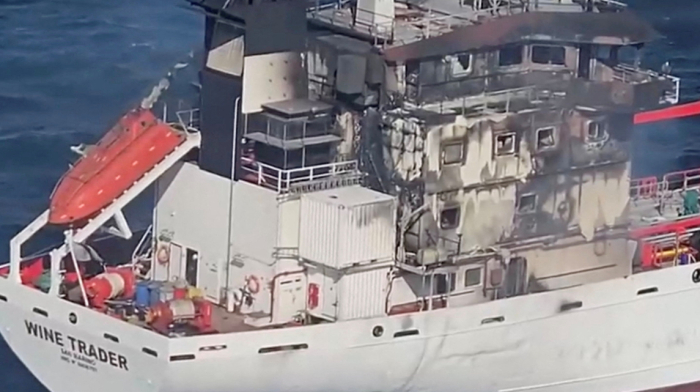
Ukraine has effectively restricted Russian commercial shipping in the area since July, with Ukrainian drones reportedly striking nearly 220 vessels in the Black Sea and Sea of Azov, including oil tankers, grain carriers and passenger ferries.
The campaign has also forced Russia to suspend shipping through a canal connecting the Caspian Sea and the Sea of Azov via Russia’s river network.
Russia, meanwhile, has intensified attacks on Ukraine’s southern ports, putting further pressure on the country’s agricultural exports.
The two countries previously participated in the Black Sea Grain Initiative, brokered by Türkiye and the UN in 2022. The agreement allowed Ukrainian grain exports to continue despite the war, but ended in July 2023 after Russia declined to renew it, citing concerns over Western sanctions affecting its agricultural exports.
Ukraine later reopened the maritime route independently, using sea drones to attack Russian naval vessels and pushing much of Russia’s Black Sea Fleet away from Sevastopol towards Novorossiysk.
Lavrov warns Russia will target Western support for Ukraine
Russian Foreign Minister Sergei Lavrov said on Friday that Moscow would intensify efforts to disrupt Western support for Ukraine. “We will make our methods much tougher in order to dismantle everything that fuels Kyiv’s war machine from the West. And we are already doing this,” Lavrov said in an interview.
When asked about efforts to end the war, Lavrov said Russia would only agree to stop fighting once there is a “long-term, reliable and sustainable settlement.”
Latvia briefly issues air threat alert
Meanwhile, Latvia, an EU and NATO member bordering Russia and Belarus, briefly issued an air threat alert in parts of the country’s east on Friday.
The alert was lifted less than an hour later after allied fighter jets shot down a drone in Latvian airspace, according to Latvia’s armed forces. Latvia did not immediately provide details about the drone or identify its origin.
Neighbouring Finland also temporarily restricted aviation and maritime traffic in an area of the eastern Gulf of Finland, according to its defence forces.
Countries bordering Russia and Ukraine have periodically issued air threat alerts and intercepted or shot down drones as Russian and Ukrainian forces continue to exchange attacks more than four years after Russia launched its full-scale invasion in 2022.
Read more














What is your opinion on this topic?
Leave the first comment