Ukraine’s attacks on Russian ports, refineries and shipping infrastructure are putting Moscow’s energy exports under growing pressure and disrupting key trade routes, raising concerns over commercial shipping and global food supplies.
The attacks are hitting Russia’s energy infrastructure while also creating wider risks for commercial shipping and global food trade.
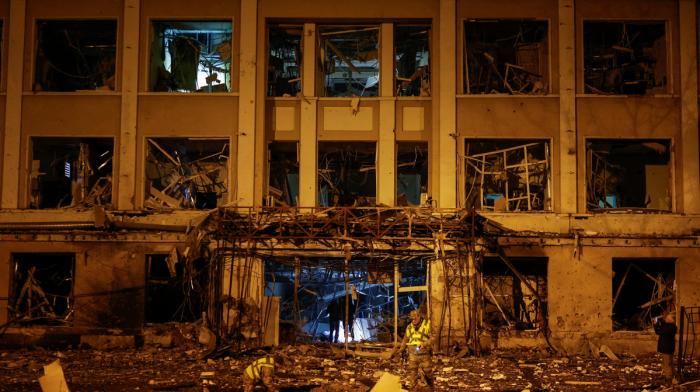
One of the main targets is Ust-Luga, one of Russia’s largest Baltic Sea ports and a major hub for crude oil and petroleum product exports. Located west of St Petersburg, the port is a key part of the country’s energy export network.
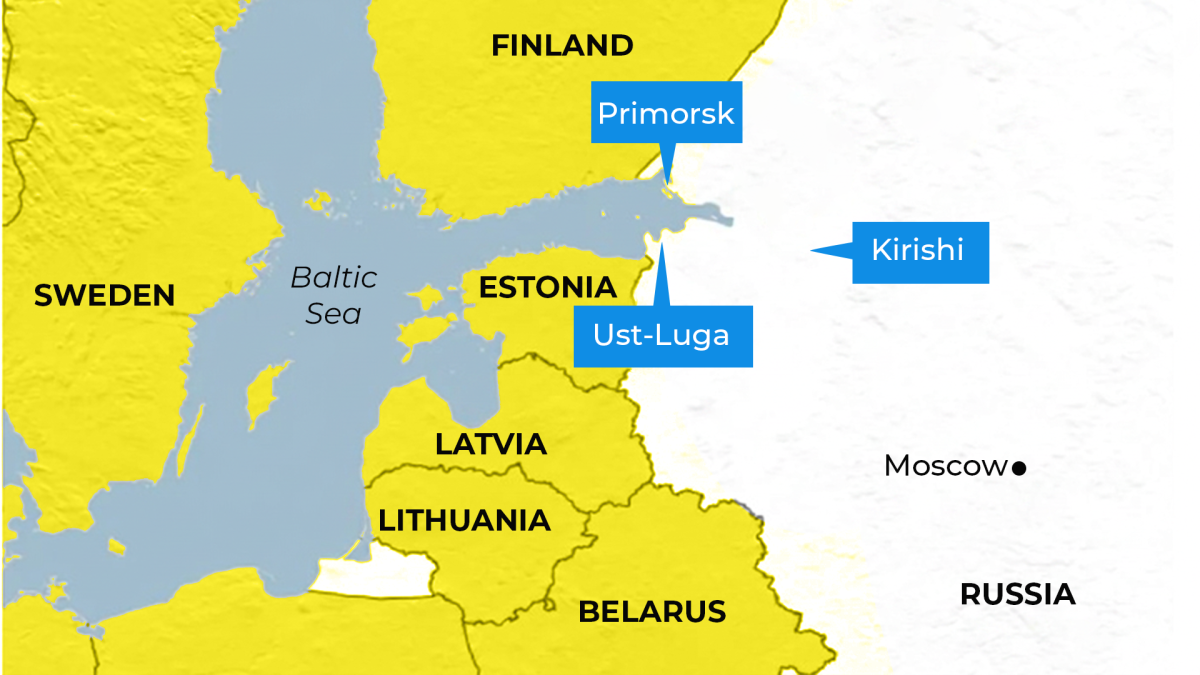 Ukrainian attacks on Russian Baltic oil sites.
Drone attack sparks fire
A Ukrainian drone attack triggered a fire at Ust-Luga overnight, according to Leningrad Region Governor Alexander Drozdenko.
"All consequences of the attack in the port of Ust-Luga have been cleared up," Drozdenko posted on Russian messaging service MAX. "There were no casualties."
More than a dozen major Russian refineries have also been hit, some repeatedly, causing widespread fuel shortages, according to the report.
Baltic Sea security risks
The attacks on Russian infrastructure have also raised wider security concerns around the Baltic Sea.
On Friday, Latvian armed forces said fighter jets on a NATO air-defence mission had shot down a drone that entered Latvian airspace.
Finland also temporarily restricted aviation and maritime traffic in parts of the eastern Gulf of Finland as a precaution against possible drone activity.
From Baltic energy routes to Black Sea shipping
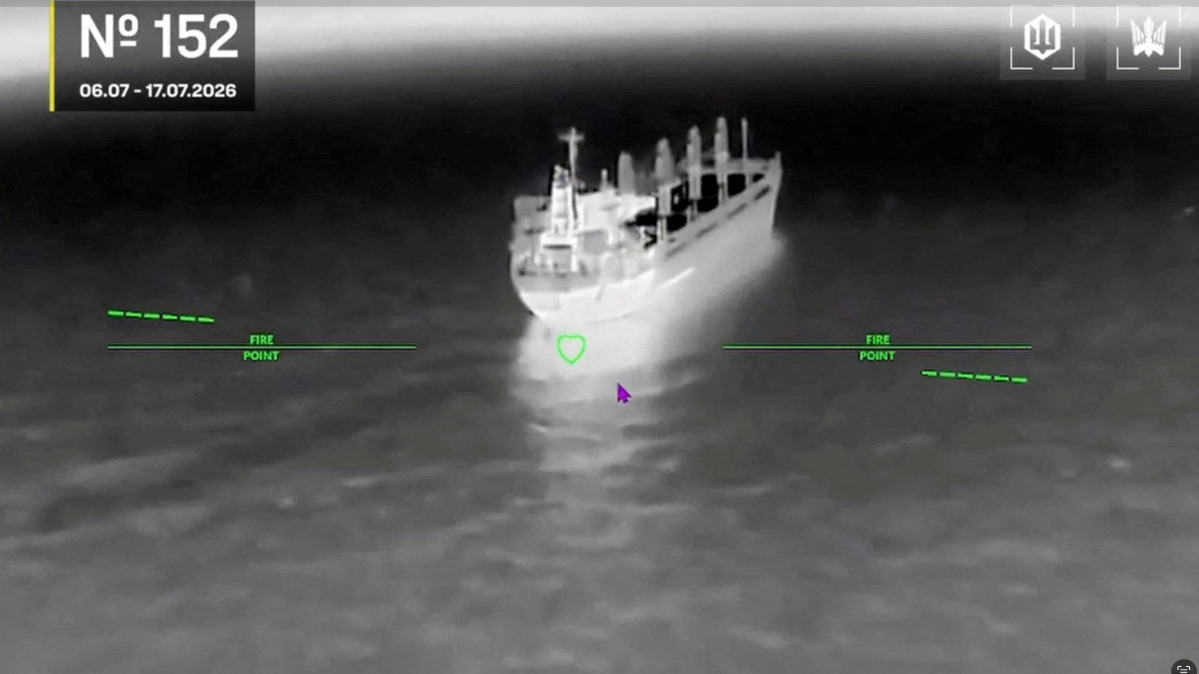
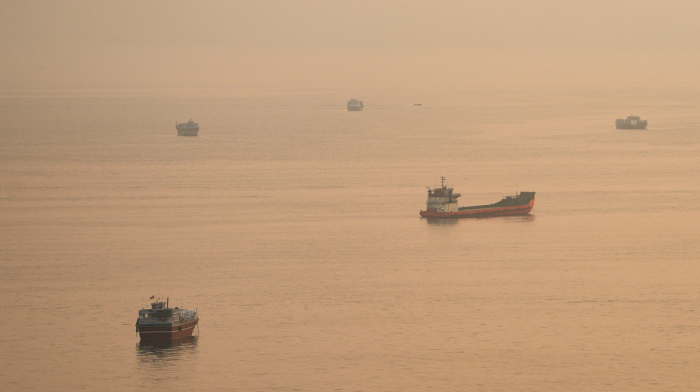
The impact extends beyond Russia’s Baltic Sea energy infrastructure. In the Black Sea, Russia and Ukraine have also stepped up attacks on commercial shipping, putting another major regional trade route at risk.
The Black Sea is particularly important for agricultural exports, with Russia and Ukraine both major suppliers to global markets.
Russia rejects Black Sea ceasefire
Against this backdrop, Russia on Friday rejected the idea of a ceasefire in the Black Sea, saying there were no grounds for “half-measures” that would give Kyiv a temporary respite.
Foreign Ministry spokeswoman Maria Zakharova accused Ukraine of carrying out attacks aimed at destabilising civilian shipping and prolonging the conflict.
Zakharova said Russia had not received a formal proposal from Türkiye and ruled out a return to the 2022-2023 Black Sea grain initiative brokered by Ankara.
The agreement allowed Russia and Ukraine to continue exporting grain through the Black Sea but collapsed after Moscow accused Ukraine and Western countries of failing to meet their commitments.
Disruption to Russian grain exports
The fighting has also disrupted Russia’s own Black Sea shipping operations.
All three terminals at the port of Novorossiysk were suspended following a Ukrainian attack, putting further pressure on Russian grain exports. As both sides step up attacks on commercial shipping, security risks are increasingly disruptingthe movement of agricultural goods through the Black Sea.
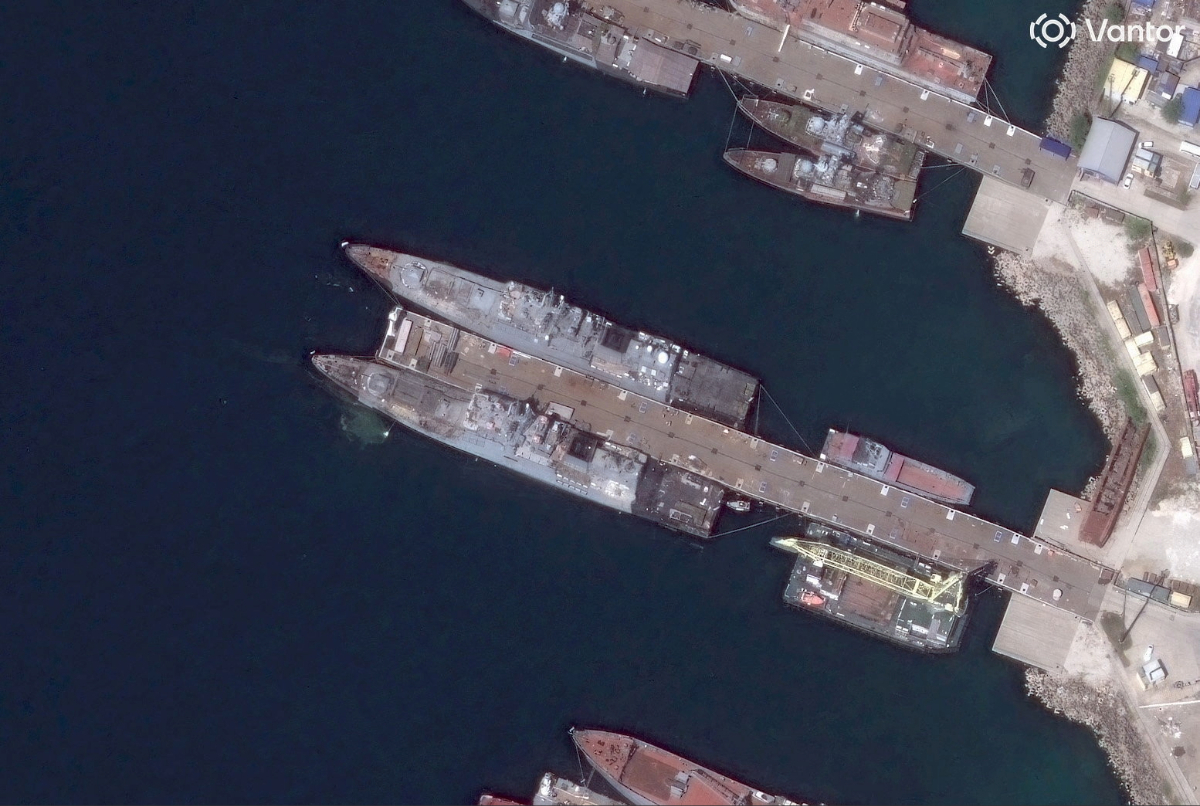 A satellite image shows damaged Admiral Grigorovich-class frigates after a Ukrainian drone and missile attack in Novorossiysk, Russia, on 12 August 2026.
Why global markets are watching
The attacks are creating risks for two major areas of global trade: energy and food.
European wheat prices recently pared earlier gains following reports of Kyiv’s proposal for a mutual suspension of attacks on civilian targets in the Black Sea.
The market reaction shows how the impact of attacks on infrastructure and shipping during the Russia-Ukraine war can extend beyond the battlefield, affecting energy and food markets around the world.


















What is your opinion on this topic?
Leave the first comment