Tourism operators in eastern Latvia say repeated incursions by stray military drones linked to the war in Ukraine are driving visitors away from one of the country's most popular summer destinations, threatening hundreds of small businesses that rely on seasonal trade.
In Latvia's eastern lake district, near the Russian border, guesthouses, restaurants and activity providers report a growing number of cancellations as tourists become concerned about drone alerts and the possibility of having to seek shelter during their holidays.
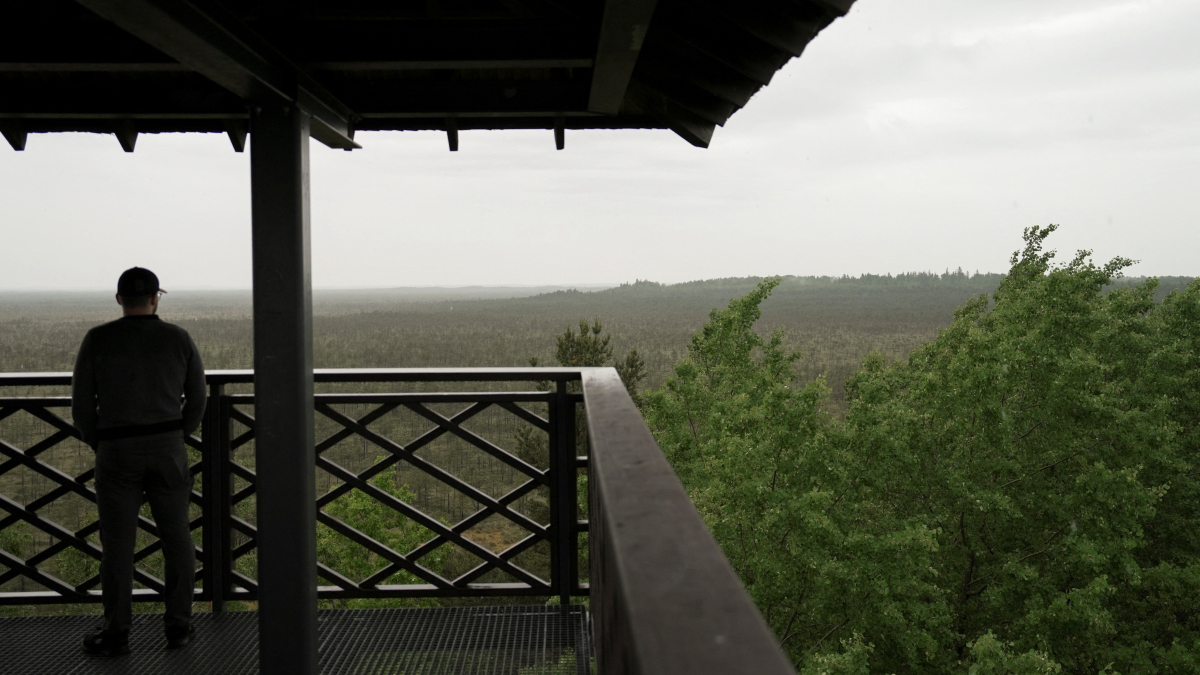
At Birdwhistles Guesthouse, located in a forested area around 50 kilometres from the Russian border, owner Martins Kiščenko said all eight rooms currently stand empty, an unusual situation at the height of the summer season.
According to Kiščenko, two wedding parties cancelled their reservations at the last minute because guests were worried that drone alerts could disrupt their stay.
Impact on tourism
The region, often known as the Land of Blue Lakes, is renowned for its forests, lakes and outdoor activities, attracting visitors seeking fishing, hiking and nature-based tourism.
However, local tourism operators say security concerns are beginning to outweigh the area's natural appeal.
Jelena Kijaško, a representative of the regional tourism industry association, said around 500 small businesses could face financial difficulties if cancellations continue.
A survey conducted by the association found that 85% of tourism businesses had experienced booking cancellations linked to fears over drone activity, with some operators losing more than half of their expected future business.
Security concerns
Since March, stray Ukrainian military drones have entered the airspace of Latvia and neighbouring Baltic states. Kyiv and NATO countries say the drones were diverted from their intended targets inside Russia by Russian electronic jamming systems.
Although no injuries have been reported, the incidents have prompted authorities to issue repeated warnings urging residents to seek shelter.
Last month, two drones exploded in the town of Rēzekne, while two others struck a nearby oil storage facility, causing a fire.
After a two-week period without incidents raised hopes that the situation had stabilised, another drone was intercepted on Monday when a French NATO fighter jet shot it down.
Authorities' response
Despite the incidents, local officials and tourism representatives insist the region remains safe for visitors.
Kijaško argued that the risk posed by the drones remains extremely low and should not deter tourists from visiting the area.
"We live here and we don't feel ourselves particularly endangered," she said.
"The probability of being in a road accident in Riga is much, much higher than having a drone fall on your head in the forest," Kijaško added.
In an effort to boost confidence, Latvian Prime Minister Andris Kulbergs plans to spend his summer holiday in the region, according to his spokesperson.
For many tourism businesses, however, concerns remain that the reputational damage caused by months of drone-related headlines could have a lasting impact on the crucial summer season.















What is your opinion on this topic?
Leave the first comment