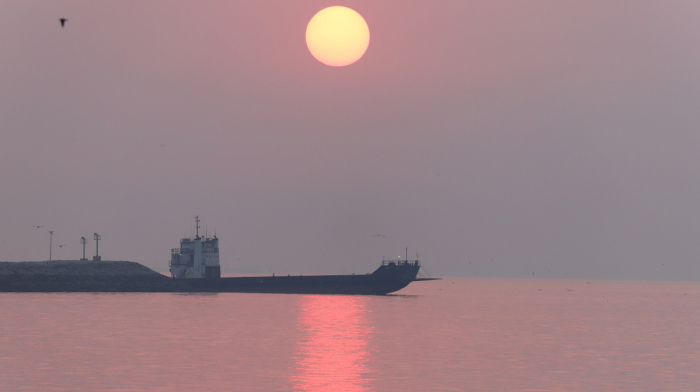
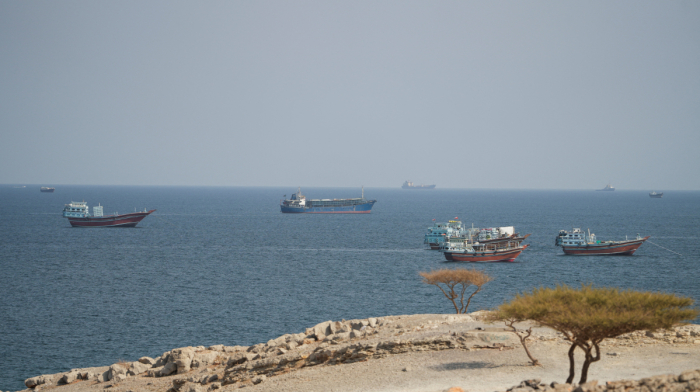
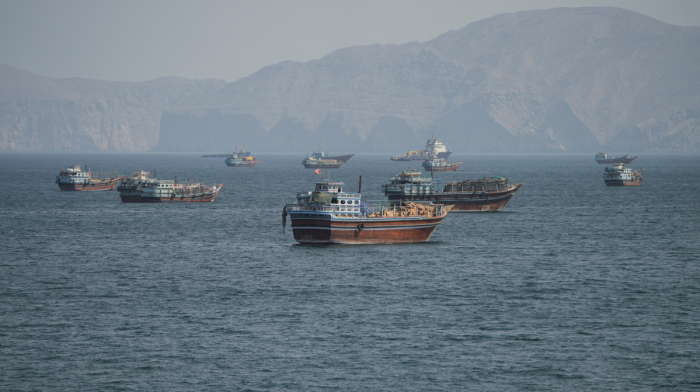
Shipping traffic through the Strait of Hormuz remained low on Thursday, as Iran reiterated that it will neither enter into new negotiations with the United States nor re-open the Strait as long as its conditions are not met, despite recent indirect talks in New York mediated by Qatar.
In a latest sign that Tehran and Washington are far apart from ending the war, the Secretary of the Supreme National Security Council Moshen Rezaei and Foreign Ministry Spokesman Esmaeil Baghaei have both said Iran will not negotiate with the U.S. if it does not implement Iran’s demands.
“Iran’s seven conditions were conveyed to the Americans by Foreign Minister Abbas Araghchi through Qatari interlocuters during a recent meeting on the sidelines of the UN General Assembly in New York,” Rezaei said in an interview on the state-run IRIB TV, adding that the Strait of Hormuz would remain closed until those conditions are implemented.
The former commander of the Revolutionary Guards blamed the U.S. for violating its commitments in previous rounds of negotiations including the Islamabad ceasefire deal signed in June and for attacking Iran two times in the middle of negotiations in 2025 and 2026.
“We would not return to the circumstances that existed during and before the Islamabad peace process in August,” said Iran’s security chief.
Rezaei did not disclose Iran’s new conditions communicated to the U.S. side at UN headquarters, stressing a lack of trust on Washington’s intentions requiring confidence-building measures.
Tehran standing firm
From New York, Foreign Ministry spokesman Baghaei said in a post on X on Wednesday that Iran has explicitly set out its conditions to the U.S. in indirect messages through mediators.
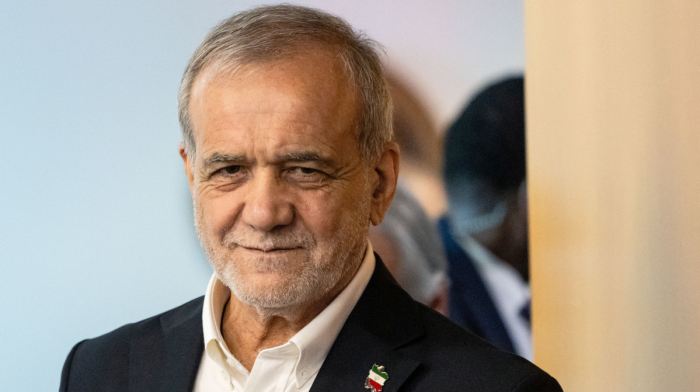
According to the Iranian official who is accompanying Foreign Minister Abbas Araghchi and President Masoud Pezeshkian in the UN General Assembly, Tehran’s conditions were clear and transparent.
“A halt to U.S. acts of aggression — including a maritime blockade and economic terrorism — an end to the war on all fronts, the release of frozen assets and acceptance of safe shipping routes through Strait of Hormuz, as agreed between the two littoral states of Iran and Oman,” he said.
Iranian officials have demanded the U.S. to return to the Islamabad Memorandum of Understanding signed in June by the presidents of Iran and the U.S., which was short-lived and did not last beyond three weeks despite a stipulated 60-day moratorium calling for a lull in armed conflicts.
The UNGA 2026 convenes against the backdrop of a war that began with Israeli-U.S. attacks against Iran on 28 February and lasted for 40 days.
Read more:










What is your opinion on this topic?
Leave the first comment