




12:52 CET
Russia-Ukraine
live Russian strikes kill three, damage dozens of power facilities
Russian strikes killed ...


Uzbekistan will allow eligible businesses to operate for up to three months without a licence or permit under a new regime aimed at cutting barriers to market entry and attracting investment.
President Shavkat Mirziyoyev signed the law on 13 August. The new regime, known as “Business Entry Without a Licence”, allows entrepreneurs to begin activities that would normally require a licence or other permit by notifying the relevant government authority through the Unified Portal of Interactive Public Services or the electronic “Licensing” system.
The special regime will remain in effect for three months. During this period, businesses will not be held liable for operating without the relevant licence or permit.
The temporary period is intended to give companies time to bring their activities into compliance with licensing requirements and complete the necessary procedures.
At the end of the three-month period, businesses must either obtain the required licence or permit or stop operating in the relevant sector.
The measure could particularly benefit entrepreneurs and investors seeking to test new business models before committing significant resources to a fully licensed operation.
It could allow companies to assess market demand and commercial viability while reducing the initial administrative and financial costs of entering the market.
The legislation was approved by the Legislative Chamber in March and by the Senate on 8 August.
Uzbekistan’s new regime follows a broader international trend towards more flexible approaches to business regulation. Similar mechanisms exist in countries such as the UK, Singapore and Rwanda, although their scope differs.
In the UK, temporary exemptions can allow certain businesses to operate without a standard licence for a limited period, while the Financial Conduct Authority’s Regulatory Sandbox allows eligible firms to test innovative financial products and business models in a controlled live environment.
Singapore’s Monetary Authority operates regulatory sandboxes that allow financial companies to test innovative services before fully complying with the applicable regulatory framework. Rwanda has adopted a similar sandbox approach for fintech companies.
Uzbekistan’s model differs because it is not limited to financial technology. The three-month regime can apply to certain activities requiring licences or permits, enabling eligible businesses to start operating while working towards full compliance.
The new regime forms part of Uzbekistan’s broader efforts to simplify regulation and make it easier to establish and expand businesses.
During an open dialogue with the business community in August 2025, Mirziyoyev announced plans to abolish 10 types of licences and permits, including requirements affecting audit organisations and vehicle technical inspections.
In November 2025, the president also issued a decree introducing the principle of “Starting a business in 15 minutes”. The reforms included plans for a voluntary preliminary assessment of businesses before they submit applications for licences.
The latest legislation takes that approach further, allowing eligible businesses to start operating before completing the full licensing process.
The changes could make Uzbekistan more attractive to domestic entrepreneurs and foreign investors by cutting the time and administrative burden involved in launching projects. Businesses would still have to meet sector-specific regulatory standards to continue operating beyond the three-month period.

Russian strikes killed ...
A building at Saudi Aramco’s headquarters in ...
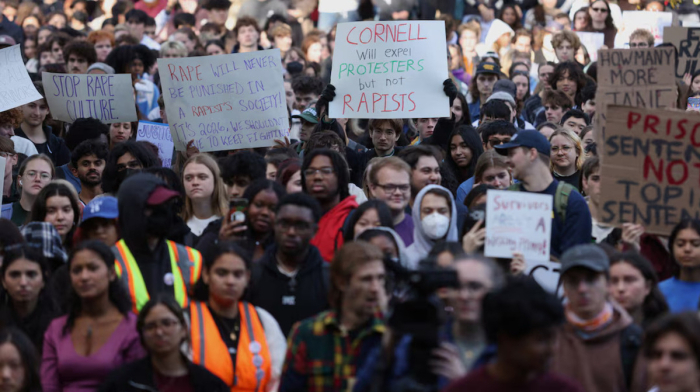
Cornell University has prohibited parties and social gatherings at fraternity houses for the remainder of the academic year following allegations o...
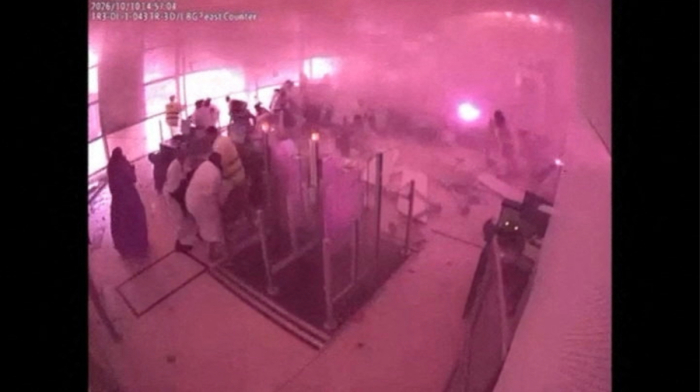
One person was killed and nearly a dozen hurt in a fresh attack on Riyadh's international airport on Sunday, Saudi authorities reported, a day after a strike claimed by Yemen's Houthis killed 13 people and wounded more than 300.

The Saudi-led coalition in Yemen said late Monday that it intercepted and destroyed two ballistic missiles launched by the Houthi group toward Khamis Mushait in southwestern Saudi Arabia.
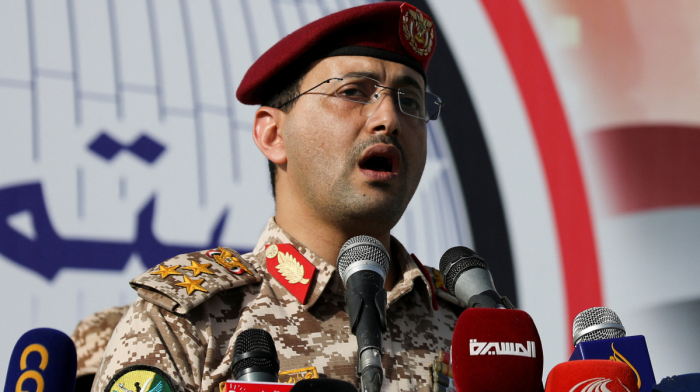
The Houthi movement has escalated their attacks on Saudi Arabia, targeting the airport in Riyadh and other cities, killing more than a dozen people.

Ukrainian President Volodymyr Zelenskyy says Russia hit at least six energy targets in deadly strikes across Ukraine, showing Moscow is unwilling to accept the energy ceasefire announced by U.S. President Donald Trump.
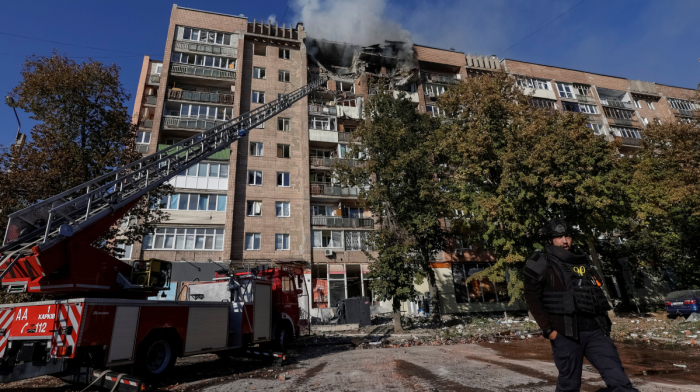
The Kremlin on Monday rejected a 60-day ceasefire idea proposed by Ukrainian President Volodymyr Zelenskyy to allow his country to hold presidential elections, saying it wanted an overall peace deal instead.
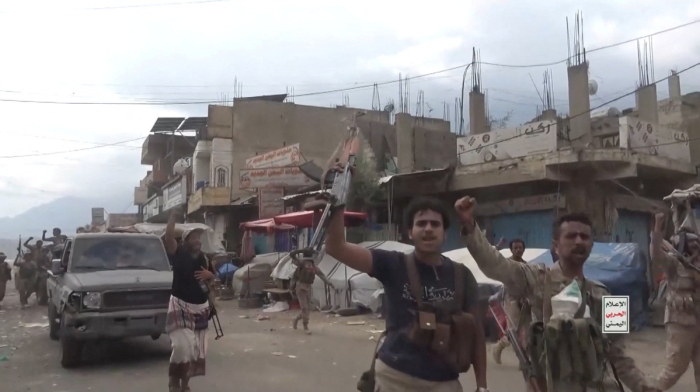
A building at Saudi Aramco’s headquarters in the eastern city of Dhahran was attacked late Tuesday, causing a limited fire, Saudi Arabia’s Energy Ministry said on Wednesday. The incident came as fighting between the kingdom and Yemen’s Iran-allied Houthi group intensify.
The Saudi-led coalition in Yemen said late Monday that it intercepted and destroyed two ballistic missiles launched by the Houthi group toward Khamis Mushait in southwestern Saudi Arabia.
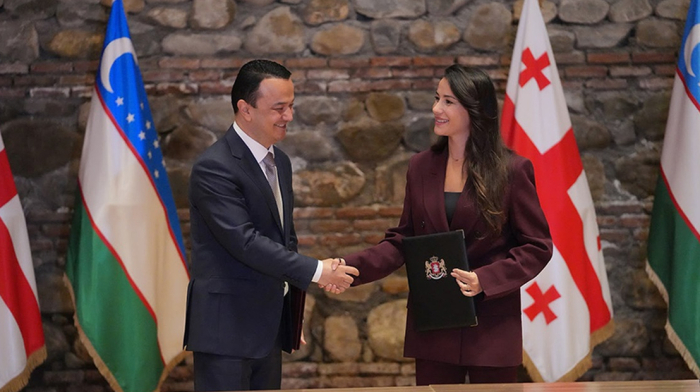
Georgia and Uzbekistan are aiming to nearly quadruple annual trade to $1 billion, up from $267.6 million in 2025, as the two countries seek to strengthen economic ties and expand transport links.
Iran has warned against the military use of Starlink, saying it has developed domestic technology capable of countering cyber threats linked to the satellite internet service.
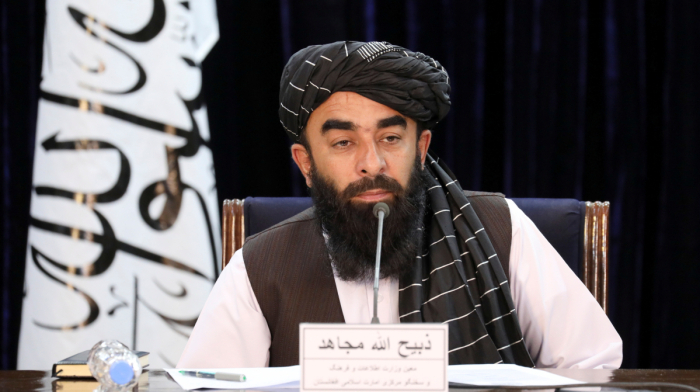
Afghanistan has accused Pakistan of blaming Kabul for its domestic political and security problems, as Islamabad repeated claims that militants are using Afghan territory to launch attacks across the border.
You can download the AnewZ application from Play Store and the App Store.




What is your opinion on this topic?
Leave the first comment