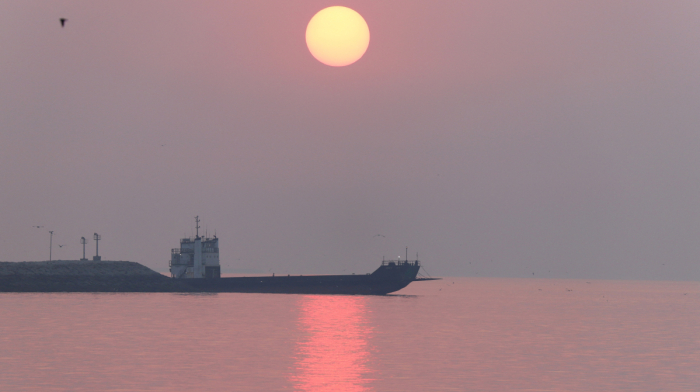
The U.S. military has intercepted at least three Iranian-flagged tankers in Asian waters and is redirecting them away from their positions near India, Malaysia and Sri Lanka, shipping and security sources said on Wednesday, exclusively to Reuters.
In recent days, U.S. forces said they've seized an Iranian cargo ship and an oil tanker. However, according to two U.S. and Indian shipping sources and two separate Western maritime security sources who spoke to Reuters on Wednesday, the U.S. has diverted at least three more Iranian-flagged oil tankers recently.
The U.S. military did not immediately respond to a request for comment on the interceptions.
One of the vessels was the Iranian-flagged Deep Sea supertanker, which was part loaded with crude and last seen on its public tracking transponder off Malaysia's coast a week ago, according to the sources and ship tracking data on the MarineTraffic platform.
The smaller Iranian-flagged Sevin, which had a maximum capacity of 1 million barrels and was carrying 65% of its load, was also intercepted. The vessel was last seen off Malaysia’s coast a month ago, ship tracking data showed.
The Iranian-flagged supertanker Dorena was also intercepted, fully loaded with 2 million barrels of crude, and last seen off the coast of southern India three days ago, according to the sources and ship tracking data on the MarineTraffic platform.
The U.S. Central Command said on Wednesday in a post on X, that the Dorena has been under the escort of a U.S. Navy destroyer in the Indian Ocean after attempting to violate the blockade.
U.S. forces may have intercepted the Iranian-flagged Derya tanker, shipping sources said. The vessel failed to discharge its cargo of Iranian oil in India before a U.S. waiver on Iranian crude purchases expired on Sunday. That vessel was last seen off India’s western coast on Friday (17 April), according to MarineTraffic data.
U.S. Central Command said on Wednesday that since the start of its blockade against ships entering or exiting Iranian ports, U.S. forces had directed 29 vessels to turn around or return to port.
The U.S. military has not listed all the ships it has intercepted and did not immediately respond to requests for comment about the Deyra and the Deep Sea.
A third maritime security source said the U.S. military was looking to target Iranian ships away from the Strait of Hormuz and in open waters to avoid any risk of floating mines during operations.
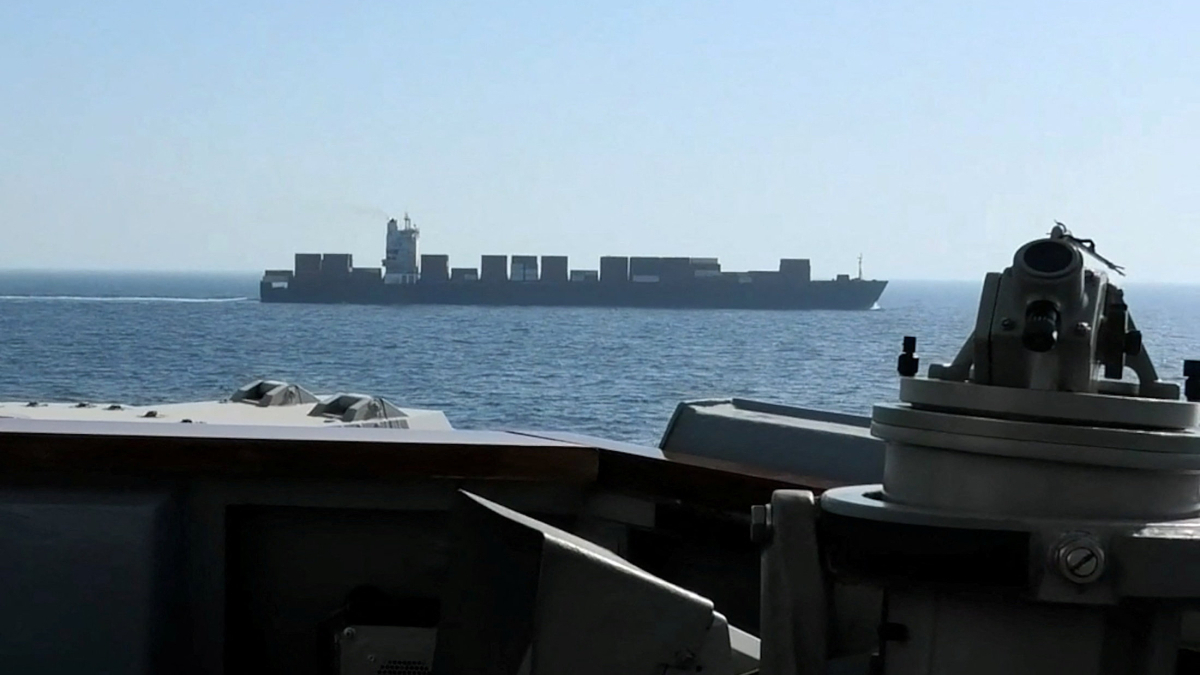
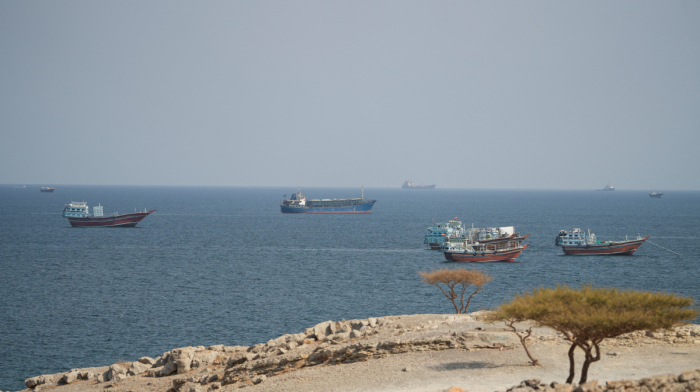
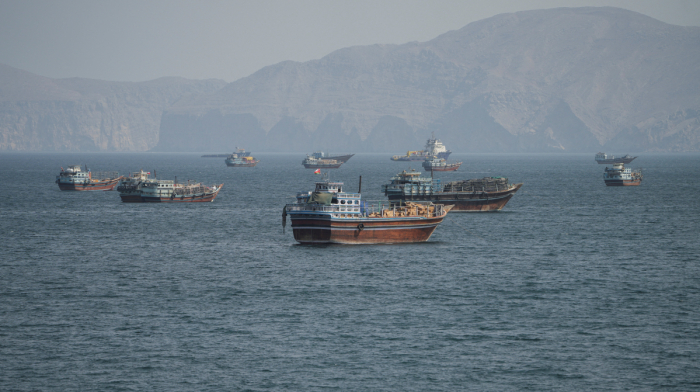
Meanwhile, Iran said it had captured two container ships seeking to exit the Gulf via the Strait of Hormuz on Wednesday (22 April) after firing on them and another vessel, its first seizures since the war began.
Washington has imposed a blockade on Iran's trade by sea while Iran has fired on ships to prevent them sailing through the Strait of Hormuz waterway at the entrance to the Middle East Gulf. Nearly two months after the U.S. and Israel began their war on Iran, there is little sign of peace talks resuming during an uneasy ceasefire.
The closure of the strait has disrupted supply of a fifth of the world's oil and gas supplies, and caused a global energy crisis.
Read more:
















What is your opinion on this topic?
Leave the first comment