The current standoff between the U.S. and Iran is likely to continue in the near term, with both sides seeking to outlast the other rather than escalate into a wider conflict, according to political analyst Orkhan Nabiyev.
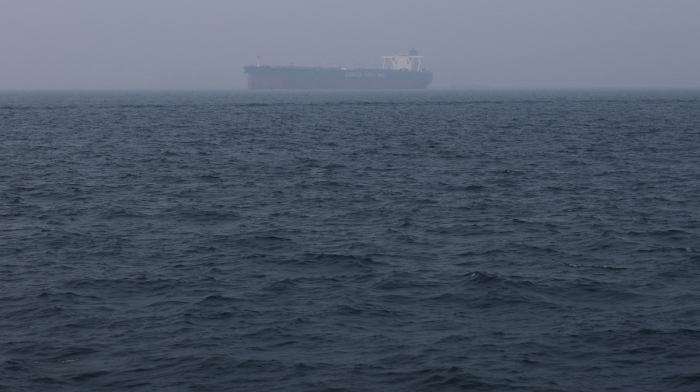
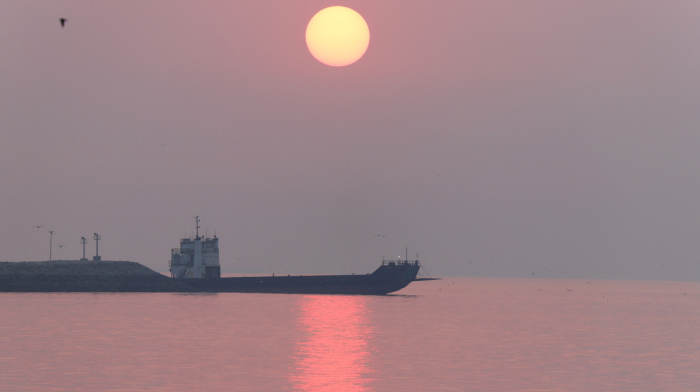
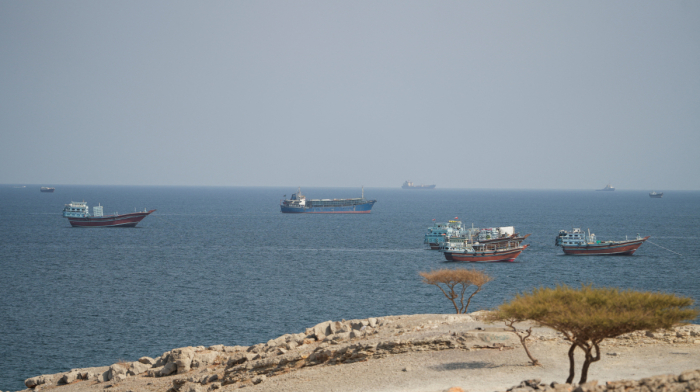
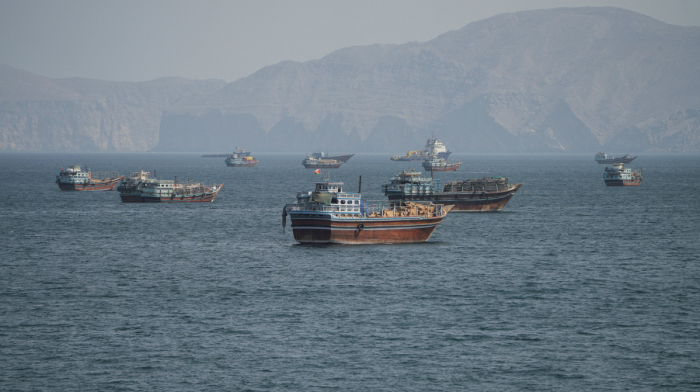
Both sides impose separate restrictions, with Washington maintaining a naval blockade on Iranian ports while Tehran says it won't open the Strait of Hormuz over allegations the U.S. has breached the ceasefire by continuing with the blockade. The important narrow waterway carries a significant share of global oil supplies.
There has been no indication of immediate military escalation, but the situation has raised concern over energy markets and regional stability.
Standoff shaped by political timing
Speaking to AnewZ on the Day Break programme, International Relations expert and university lecturer at Azerbaijan State University of Languages Orkhan Nabiyev said both sides appear to be prolonging the crisis rather than seeking a rapid resolution.
“Both sides try to prolong the situation till the one side will lose their temper,” he said, adding that the upcoming elections in the United States plays a key role.
He said Iran is attempting to extend tensions until that time, while the U.S. is also applying pressure through economic and humanitarian strain.
“They try to prolong the situation till the elections… One side will lose,” he said.
Despite the confrontation, Nabiyev noted that neither side appears willing to enter a wider conflict. “Both sides don't want to start a big war again, especially President (Donald) Trump,” he said.
Balance of power remains uncertain
The current situation has led to a partial standstill, with each side controlling different aspects of the crisis.
Nabiyev said Iran may be more resilient in the face of prolonged pressure. “Usually the Iranian side seems more resistant… despite that militarily they are weak, economically they are weak,” he said.
He added that governments facing electoral pressure, such as the United States, can be more sensitive to rising costs and public reaction.
“They have the big pressure from the society… from electoral groups,” he said.
Global impact on oil and supply chains
Markets have reacted sharply to the uncertainty, particularly in the oil sector. Prices have fluctuated amid concerns over supply disruptions.
European countries are also watching closely. Some estimates suggest reserves could come under strain if the situation continues. Airlines and shipping companies have already adjusted operations.
Nabiyev said countries affected by rising costs may push for a diplomatic solution.
“These countries can press the United States to bring back the situation before the war and to have some deal with Iran,” he said.
However, he added that Washington may resist terms seen as favourable to Tehran.
The crisis could also shift global energy dynamics. Nabiyev said it may open opportunities for Russian exports, as Europe seeks alternative supplies.
Mediation efforts under way
Pakistan has stepped in as a mediator, hosting planned talks in Islamabad between U.S. and Iranian representatives.
Nabiyev said Pakistan is playing a “shuttle diplomacy role”, attempting to balance relations with both sides.
He also pointed to the influence of China, which has economic interests tied to the Gulf region and energy flows.
“China is also interested in the resolution of this process,” he said, noting the impact of oil prices and trade routes.
Regional tensions linked to wider conflicts
Meanwhile developments in the Gulf have been playing alongside ongoing tensions and strikes involving Hezbollah and Israel.
Nabiyev said decision-making in Lebanon is closely tied to Iran. “What Iran will decide, Hezbollah will go for that,” he said.
He added that any agreement between Israel and Lebanon may have limited impact on broader U.S.-Iran relations.
Uncertain path ahead
As negotiations are expected to take place, the immediate outlook remains unclear. Nabiyev said the situation is likely to continue until one side shifts its position. He suggested that some form of compromise may emerge, but key issues would remain unresolved.
“The main problem of the nuclear… will not be resolved,” he said, referring to Iran’s nuclear programme.
For now, the Strait of Hormuz remains at the centre of a growing geopolitical and economic standoff, with global implications.
Read more:








What is your opinion on this topic?
Leave the first comment