U.S. President Donald Trump has said Iran can contact the United States directly if it wishes to negotiate an end to the conflict between the two countries, now in its second month.
Speaking on Fox News, Donald Trump said on Sunday (26 April) Tehran was aware of the conditions required for any agreement. He repeated that Iran must not possess a nuclear weapon, describing this as a simple and non-negotiable point.
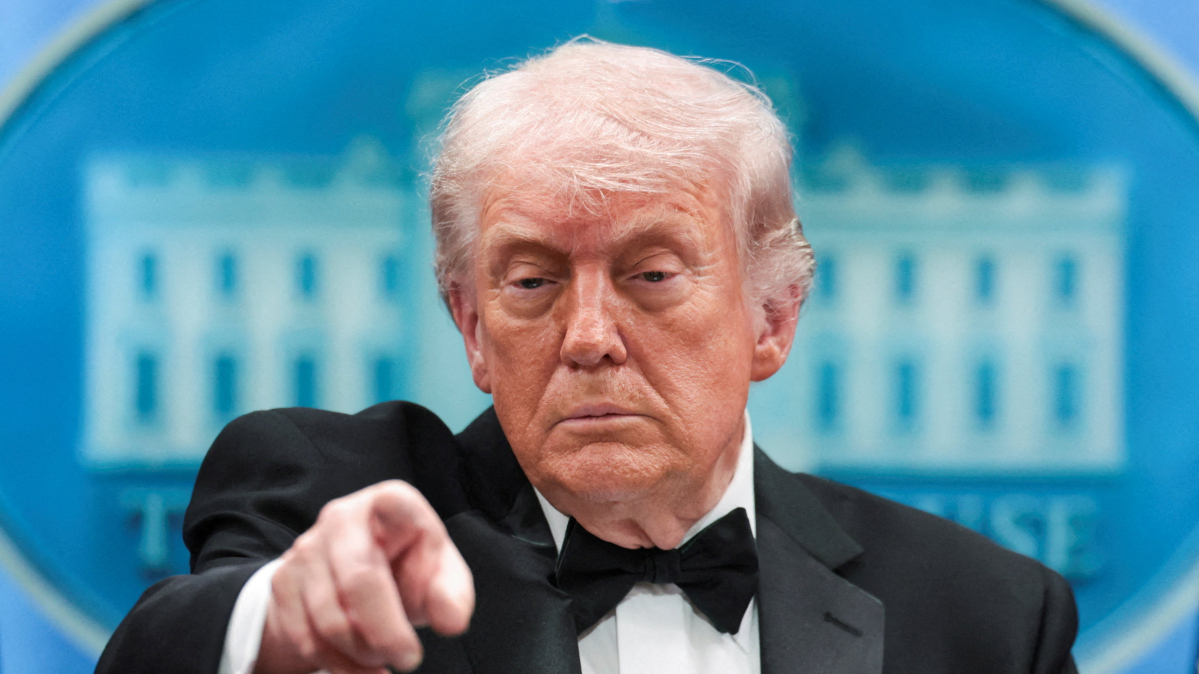
"If they want to talk, they can come to us, or they can call us. You know, there is a telephone. We have nice, secure lines," Trump told 'The Sunday Briefing' on Fox News.
His remarks came after Iran called on Washington to remove barriers to talks, including a naval blockade affecting its ports.
Diplomatic efforts appeared to falter over the weekend. A planned visit to Islamabad by U.S. envoys Steve Witkoff and Jared Kushner was cancelled.
Iran travelled between Paksitan, Oman for further talks
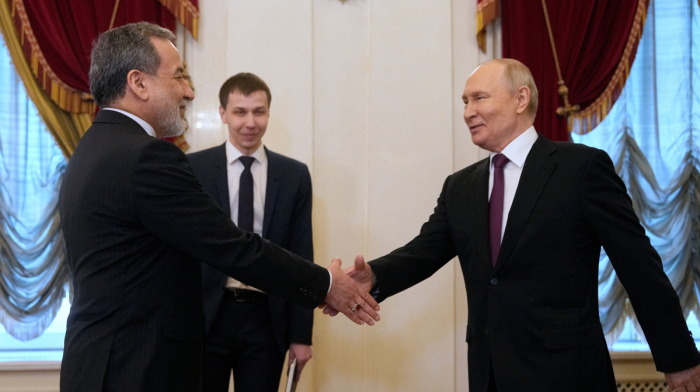
Meanwhile, Iran’s Foreign Minister Abbas Araghchi travelled between Pakistan and Oman for discussions with mediators before heading to Russia for talks with President Vladimir Putin.
During his visit to Oman, Iran's top diplomat, Abbas Araghchi, met with Sultan Haitham bin Tariq al-Said. Iranian media reported discussions focused on maritime security and the possibility of a regional framework without external involvement.
Araghchi later said talks included ways to ensure safe transit for neighbouring countries and the wider world.
Further discussions in Pakistan covered proposals for a new legal framework governing the strait, compensation measures, and assurances against future military action. Iran has also called for the lifting of sanctions and the end of the naval blockade.
Iran’s ambassador to Russia, Kazem Jalali, said Araghchi’s visit to St Petersburg forms part of ongoing diplomatic efforts in response to external pressures.
"Iran and Russia are present in a united front in the campaign of the world's totalitarian forces against independent and justice-seeking countries, as well as countries that seek a world free from unilateralism and Western domination," Jalali added.
Oil prices rise
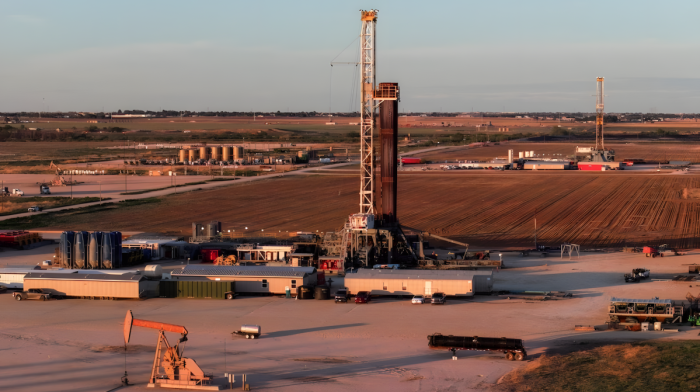
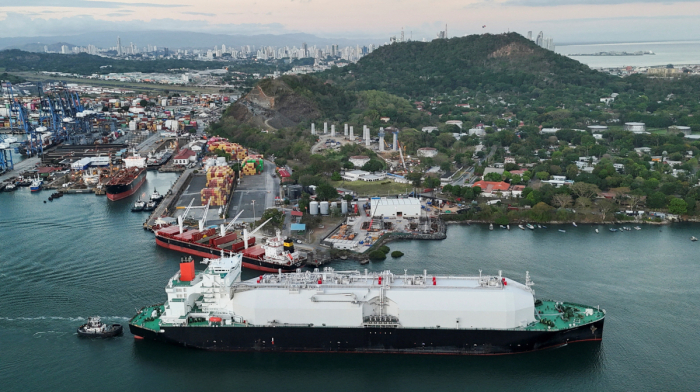
Financial markets reacted to the uncertainty. Oil prices rose, the U.S. dollar strengthened slightly, and stock futures dipped during early trading in Asia. The disruption has been linked to continued restrictions on shipping routes in the Gulf.
According to reports from Axios, Iran had put forward a new proposal through Pakistani intermediaries. The plan reportedly includes reopening the Strait of Hormuz and ending hostilities, while postponing discussions on nuclear issues. U.S. officials have not publicly commented on the report.
The conflict began on 28 February with U.S. and Israeli strikes on Iranian targets. Although a ceasefire has reduced large-scale fighting, no agreement has been reached to formally end the war. Thousands have been killed, and the economic impact has been felt globally through rising energy costs and inflation.
Deep divisions remain
The United States and Iran remain divided on several issues beyond nuclear activity.
Washington is seeking limits on Iran’s regional influence, including support for groups such as Hezbollah in Lebanon and Hamas in Gaza, as well as restrictions on its missile capabilities. Iran, in turn, is calling for sanctions relief and an end to Israeli military actions against its allies.
Trump said the decision to cancel the Islamabad visit was based on concerns about travel costs and what he viewed as an insufficient proposal from Iran.
Iranian President Masoud Pezeshkian has stated that Tehran will not engage in negotiations under pressure. In a call with Pakistan’s Prime Minister Shehbaz Sharif, he said the United States must first remove obstacles before meaningful talks can begin.
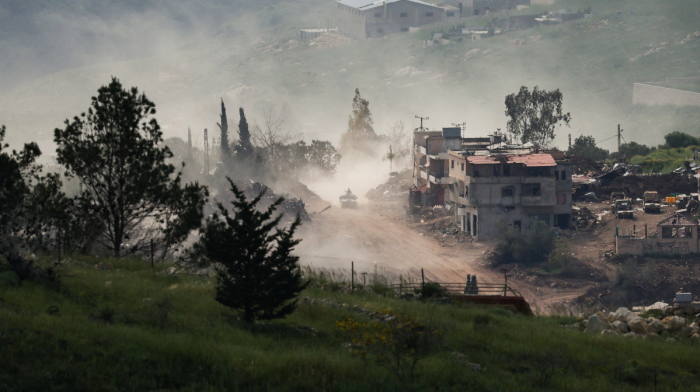
The wider region remains unstable. Iran previoulsy launched strikes against Gulf neighbours, while hostilities between Israel and Hezbollah have intensified in Lebanon.
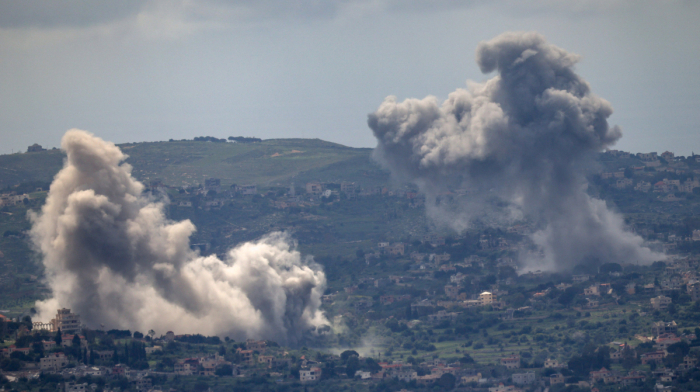
On Sunday, Israeli strikes reportedly killed 14 people and injured dozens more, according to local health authorities.
Domestic pressure builds amid ongoing negotiations
Trump is facing growing domestic pressure to bring the conflict to a close, with approval ratings reportedly declining. Iran, despite military setbacks, retains influence through its ability to disrupt shipping in the Strait of Hormuz, a key route for global oil supplies.
Tehran has largely restricted passage through the strait, while Washington continues its blockade of Iranian ports.













What is your opinion on this topic?
Leave the first comment