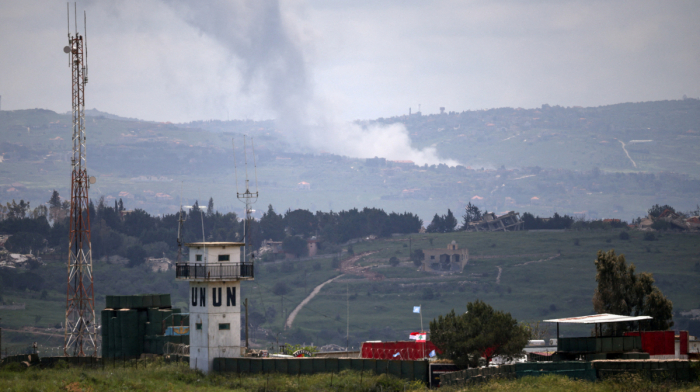
Tensions along the Israel-Lebanon border are intensifying as Israeli strikes push deeper into the Bekaa Valley, fuelling fears of wider escalation despite a fragile U.S.- and UN-brokered ceasefire.
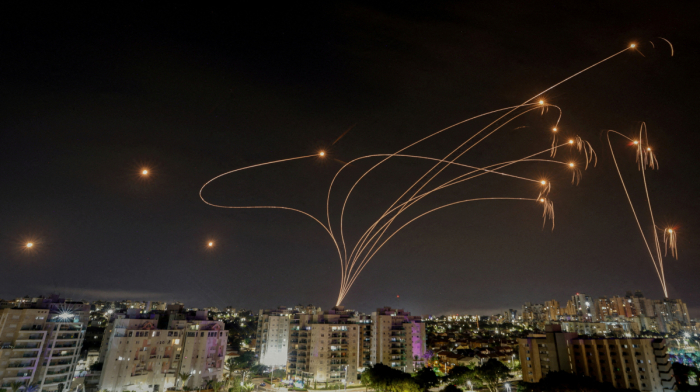
The strikes targeted weapons storage sites, rocket launchers and other military facilities.
Benjamin Netanyahu said Israel has the right to carry out such attacks under the ceasefire, adding that disarming Hezbollah is key to any future talks. He recently stated that operations were being conducted under agreements reached with the U.S. and Lebanon.
Naim Qassem rejected the prospect of future talks led by Lebanese President Joseph Aoun, saying the group will not give up its weapons and warning that Israeli forces will not remain on Lebanese territory.
Escalation along Israel-Lebanon border
Tensions are once again rising along the Israel-Lebanon border, as Israel expands its military strikes into eastern Lebanon’s Bekaa Valley.
This marks a significant shift despite a fragile U.S.- and UN-brokered ceasefire that took effect on 16 April and has since been extended to mid-May.
While attacks had subsided under the truce, concerns remain that the conflict could spread further into Lebanon.
An Israeli soldier was severely wounded by a Hezbollah drone strike in southern Lebanon, according to the IDF. Israel responded by firing at suspected hostile drones.
Since the latest conflict began on 2 March, more than 2,500 people have been killed in Lebanon, according to the Health Ministry. The figures include 277 women, 177 children and 100 medical workers. The ministry does not distinguish between civilians and fighters.
'Gradual escalation'
Speaking to AnewZ, political journalist Malek Jadah said the expansion of Israeli strikes beyond southern Lebanon marks a clear escalation.
“What we saw yesterday is a significant development because Israel has been limiting its strikes in south Lebanon and now it expanded to the Bekaa, which means that Israel is gradually escalating its attacks,” he noted.
Hezbollah’s response and rising attacks
On Hezbollah’s response, Jadah said the group frames its actions as retaliatory.
“After Israel continued to demolish houses in south Lebanon, Hezbollah started the attacks. And now they are carrying out three, four, to five attacks per day,” he said.
Assessing the risk of a wider war, he warned that the region is “closer than ever to a resumption of the war”, pointing to deep disagreements over the ceasefire itself.
“The fact that they do not even agree on the text of the agreement means that this situation is very fragile and can escalate to a full-blown war at any time,” he added.











What is your opinion on this topic?
Leave the first comment