From Thursday, 1 May, goods from every African country with diplomatic ties to China will be able to enter the Chinese market without paying import duties.
It is a sweeping trade gesture that Beijing says makes it the first major economy to offer this kind of blanket, zero-tariff access to an entire continent.
Expansion of existing policy
The move extends a policy China had already begun rolling out to its trading partners in Africa’s emerging economies. Since December 2024, 33 African nations with diplomatic ties to China have enjoyed zero-tariff treatment across all product categories.
What changes now is that 20 additional African countries - those that are more economically developed but still maintain diplomatic relations with Beijing - are being brought into the same arrangement. The result is full coverage, with every African country that recognises China diplomatically included.
Step towards broader agreement
The policy will run for two years, from May 2026 to April 2028, and is framed as a stepping stone towards a longer-term trade agreement between China and African nations, known as the China-Africa Economic Partnership for Shared Development.
Beijing says the zero-tariff period is designed to build trust and momentum while that broader deal is negotiated and signed.
The timing carries symbolic weight. This year marks the 70th anniversary of diplomatic relations between China and Africa, and Beijing has been keen to use the occasion to deepen ties across the continent.
China’s commerce ministry described the policy as a significant measure, framing it as a contrast to what it called the rising tide of protectionism and unilateralism elsewhere in the world - a barely veiled reference to tariff disputes between Beijing and Washington.
Impact for African exporters
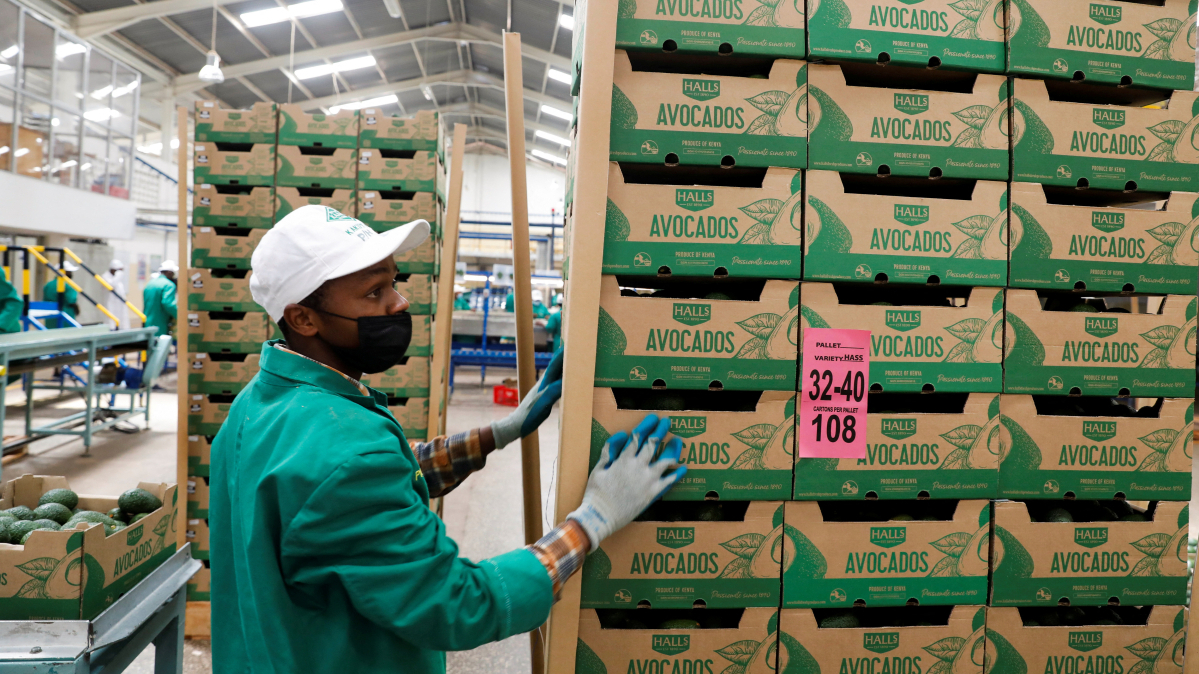
For African exporters, the practical implications could be considerable. Reduced costs at the border mean goods such as agricultural products, minerals and manufactured items may become more competitive in the Chinese market, which is home to 1.4 billion consumers.
Kenya, for instance, has already been moving in this direction. It dispatched its first consignment of goods to China under a zero-tariff arrangement in March and Beijing’s ambassador there called the policy a milestone for trade ties.
Limitations and challenges
There are nuances worth noting. For products that fall under tariff quota systems - where a country can export only a set quantity at a reduced rate before higher tariffs apply - only the in-quota rate will drop to zero. Goods exported beyond those quotas will still face standard duties.
This carve-out limits the scope of the policy for some commodity exports, though its overall reach across the continent remains historically significant.
Whether African countries can fully capitalise on the opportunity is a separate question. Access to a market and the capacity to serve it are two different things, and many African exporters face logistical, infrastructure and financing hurdles that no tariff policy can resolve on its own.
However, as an opening move, China’s decision to remove trade barriers for an entire continent is difficult to dismiss.


















What is your opinion on this topic?
Leave the first comment