Passenger rail services between Baku and Tbilisi are expected to resume in 2026, after being suspended in 2020 because of the COVID-19 pandemic and regional border restrictions.
The return of the overnight train is expected to improve travel links between Azerbaijan and Georgia and could provide a boost to tourism across the South Caucasus. However, experts say the overall impact will depend on how frequently the service operates, ticket prices and how smoothly border procedures are managed.
Tourism between the two countries has grown steadily in recent years, with Azerbaijan remaining one of Georgia’s key tourist markets. The restored rail connection could offer travellers a cheaper and more flexible alternative to flying, particularly for:
- short breaks
- students and budget travellers
- regional tourism
- multi-country travel across the South Caucasus
Before services were suspended, the Baku-Tbilisi train was considered one of the most convenient and affordable ways to travel between the two capitals. The overnight journey allowed passengers to avoid hotel costs while travelling directly between the city centres.
If the service returns successfully, it could:
- reduce travel costs
- provide more flexible travel options
- allow passengers to carry more luggage than on most flights
- support tourism growth in both Azerbaijan and Georgia
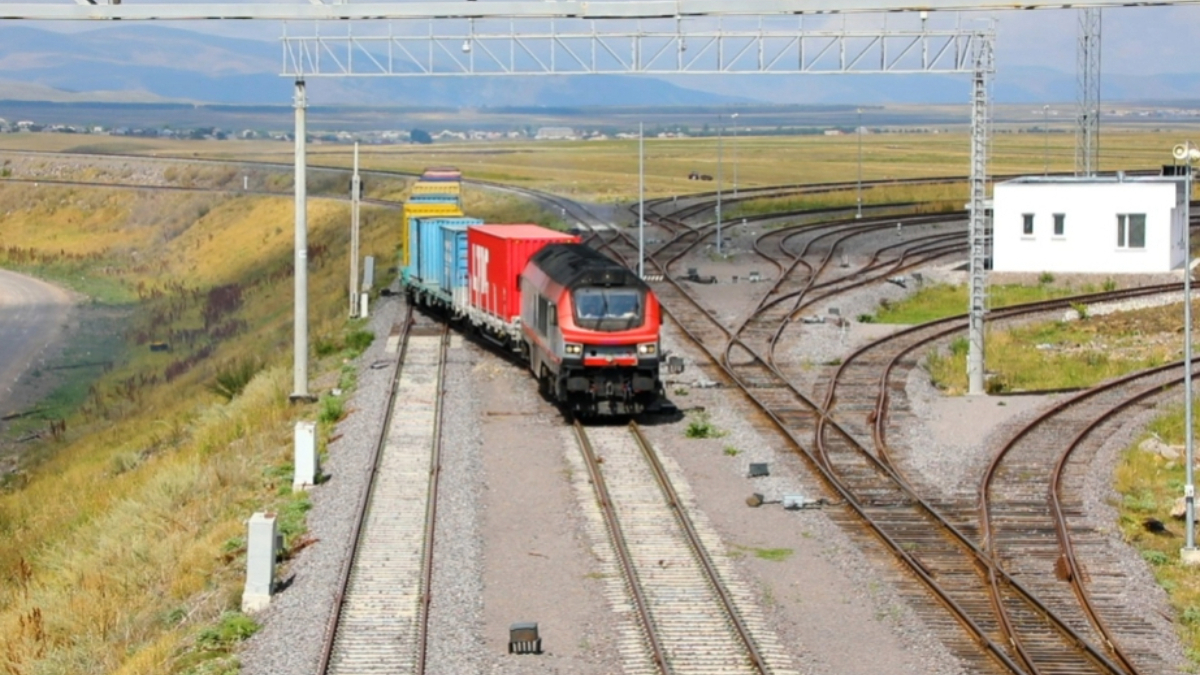
The railway also forms part of the wider Baku-Tbilisi-Kars corridor, an important regional transport route linking the South Caucasus with Türkiye and beyond.
Improved rail connections could benefit more than just tourists. Hotels, restaurants, cafés and transport operators in both countries may also see increased demand, particularly if weekend travel and cross-border tourism packages become more popular.
Some analysts also believe stronger tourism links could support Azerbaijan’s efforts to diversify its economy. According to the International Energy Agency, global oil demand growth is expected to slow in the coming years as electric vehicles become more common and countries continue the transition towards cleaner energy sources.
As oil and gas exports remain central to Azerbaijan’s economy, the development of sectors such as tourism and transport is becoming increasingly important. Data from Azerbaijan’s State Statistical Committee shows growth in the country’s non-oil sector, although hydrocarbons still account for a significant share of national income.
Despite optimism surrounding the train’s return, several uncertainties remain. Official schedules have not yet been fully confirmed, while border procedures and travel requirements may still change before services restart.
Current concerns include:
- uncertainty over final timetables
- possible delays at border crossings
- changing travel regulations and entry requirements
Because of this, the long-term effect on tourism will depend on how reliable, affordable and accessible the service proves to be once operations resume.
If successful, the return of the Baku-Tbilisi railway could strengthen tourism links between Azerbaijan and Georgia, support local businesses and make regional travel across the South Caucasus easier and more accessible for international visitors.


















What is your opinion on this topic?
Leave the first comment