A discreet visit to Kyiv by Russian billionaire and businessman Roman Abramovich has reignited debate about the role of unofficial diplomacy in efforts to end the Russia-Ukraine conflict.
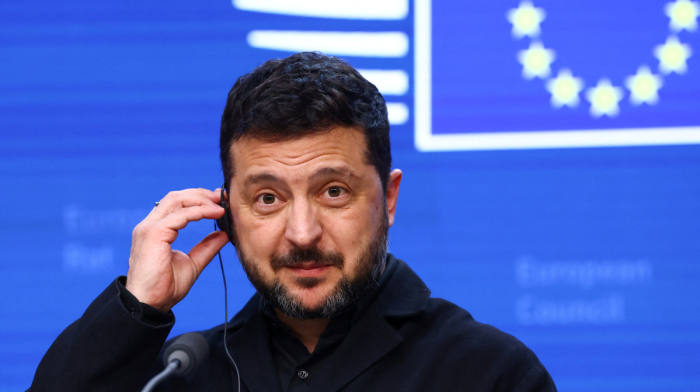
Reports indicate that Abramovich met Ukrainian President Volodymyr Zelenskyy in late May to explore conditions for potential future negotiations between Kyiv and Moscow.
While details of the discussion remain largely undisclosed, both Ukrainian and Russian officials have acknowledged that the meeting took place, offering differing interpretations of its purpose.
According to Zelenskyy, Abramovich arrived carrying what he described as a direct message from Russian President Vladimir Putin and sought to understand Ukraine's position on possible settlement terms.
"He said, 'I have a message direct to you and I want to get a message and take a message from you and to give it to Putin'," Zelenskyy recalled, adding that the Russian side wanted to understand what concessions Ukraine might be prepared to consider.
The Ukrainian president said he reiterated Kyiv's longstanding position that it would not abandon its claims over occupied territories.
Moscow distances itself from initiative
The Kremlin has portrayed the visit differently, describing it as a private initiative rather than an officially sanctioned diplomatic mission.
Putin said Abramovich informed him beforehand that he had been invited to Kyiv, but insisted the trip was undertaken independently.
"He called me and said that he had been invited to Kyiv," Putin said. "I told him: 'Well, please, go ahead. What do I have to do with it?'"
The remarks suggest Moscow sought to maintain formal distance from the meeting while remaining informed of its progress.
Territorial frontlines remain largely unchanged
The renewed discussion over informal diplomacy comes as military developments on the ground have slowed significantly.
Most of the major shifts in territorial control occurred during the first year of the full-scale conflict in 2022. Russian-controlled territory reached approximately 27 percent of Ukraine in March 2022 before falling to around 19 percent by September following Ukrainian counteroffensives.
Since then, frontline movements have been comparatively limited, with territorial control fluctuating only marginally over the following years.
Current estimates place total Ukrainian territorial losses at approximately 19.3 percent, underscoring the increasingly static nature of the battlefield.
Drone warfare becomes primary battleground
With neither side able to secure decisive breakthroughs on the frontlines, both Russia and Ukraine have increasingly relied on long-range drone and missile campaigns.
Russia's winter campaign focused heavily on Ukraine's energy infrastructure, targeting power generation and distribution networks across the country.
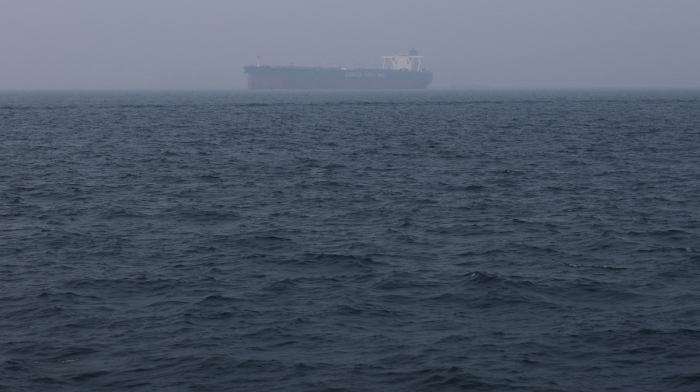
Ukraine responded in spring 2026 with strikes aimed at Russian transport corridors, oil export facilities and logistics infrastructure in both the Baltic and Black Sea regions.
Analysts say the strategy reflects an effort to reduce Moscow's ability to benefit from elevated global energy prices while increasing the economic cost of the conflict.
Aid priorities shift towards military technology
The prolonged infrastructure campaign has also influenced international support patterns.
According to data from the Kiel Institute, military assistance to Ukraine has remained relatively stable at roughly €2 billion ($2.3 billion) per month. However, direct financial and humanitarian aid has declined sharply, falling by around 80 percent to approximately €500 million ($577 million).
At the same time, investment in drone capabilities has surged. Funding specifically allocated to drone technologies reached a record €1.6 billion ($1.8 billion) during the first four months of 2026, reflecting the growing importance of unmanned systems in the conflict.
Cross-border strikes increasingly target economic infrastructure
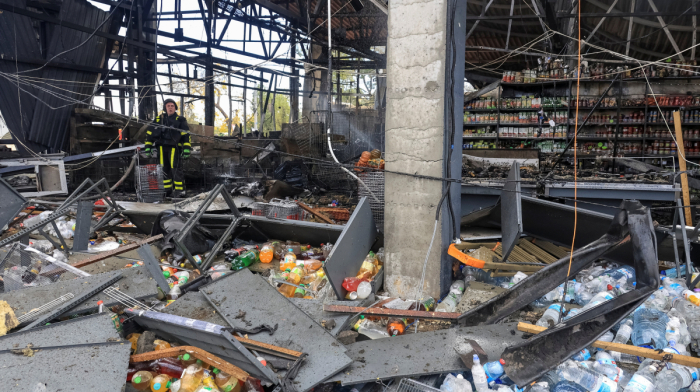
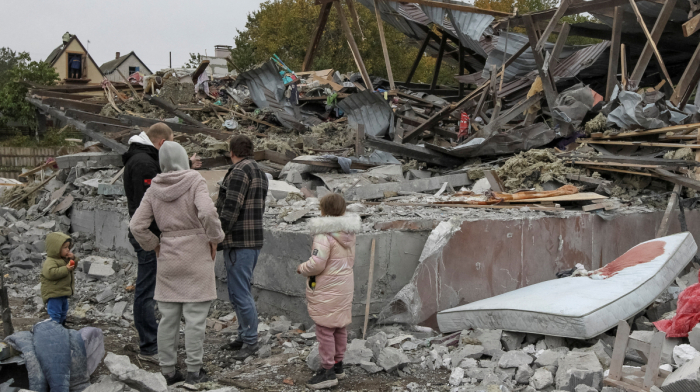
Long-range drone operations are now affecting a wider range of civilian, economic and logistical centres.
In Ukraine, the Kyiv region has faced more than 1,400 drone launches, while repeated strikes have targeted infrastructure in Kharkiv and southern port areas.
Across the border, Ukrainian drone operations have intensified in Russia's Belgorod and Kursk regions, where more than 1,100 impacts have reportedly been recorded.
Ukrainian forces have also expanded the range of their operations, targeting oil terminals and port facilities in southern Russia and the Baltic region, with some strikes reaching distances of up to 1,000 kilometres.
Diplomacy and attrition increasingly shape the conflict
As the conflict enters its fifth year, the combination of battlefield stalemate, expanding drone warfare and mounting economic costs is reshaping strategic calculations on both sides.
While no formal negotiations appear imminent, Abramovich's visit suggests that unofficial communication channels remain active behind the scenes.
Whether such contacts can eventually evolve into a broader diplomatic process remains uncertain, but the renewed emphasis on backchannel engagement reflects growing recognition that neither military operations nor economic pressure alone have produced a decisive outcome.









What is your opinion on this topic?
Leave the first comment