The United Arab Emirates has said it's quitting OPEC from 1 May, dealing a major blow to the oil producers’ group and its de facto leader, Saudi Arabia, amid disruption caused by the Iran war.
The UAE said it was leaving both OPEC and OPEC+, its looser sister organisation, on Tuesday (28 April). The move comes during a period of severe disruption to global oil supplies caused by the ongoing conflict involving Iran.
The loss of the Gulf nation could weaken the group, whose members coordinate to manage oil supply and influence prices.
Strait of Hormuz disruption intensifies pressure
Producers in the Gulf have already been struggling to ship exports through the Strait of Hormuz due to an Iranian blockade. The waterway normally carries around a fifth of the world’s crude oil and liquefied natural gas.
Despite internal disagreements on issues ranging from geopolitics to production quotas, OPEC members have historically sought to present a united front.
Political implications and U.S. reaction
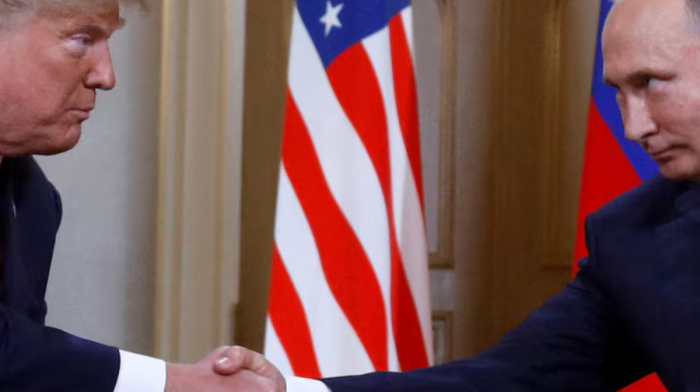
The UAE’s departure is seen as a victory for U.S. President Donald Trump, who has repeatedly accused OPEC of inflating oil prices.
The exit follows criticism from the UAE, a key regional business hub and close ally of Washington, that fellow Arab states had not done enough to protect it from Iranian attacks during the recent conflict.
Anwar Gargash, diplomatic adviser to the UAE president, criticised the regional response during a session at the Gulf Influencers Forum on Monday (27 April).
"The Gulf Cooperation Council countries supported each other logistically, but politically and militarily, I think their position has been the weakest historically," he said.
"I expect this weak stance from the Arab League and I am not surprised by it, but I haven't expected it from the (Gulf) Cooperation Council and I am surprised by it," Gargash added.
Following the UAE’s departure, OPEC now has 11 member countries: Algeria, Republic of the Congo, Equatorial Guinea, Gabon, Iran, Iraq, Kuwait, Libya, Nigeria, Saudi Arabia and Venezuela.
















What is your opinion on this topic?
Leave the first comment