The Strait of Hormuz remains a vital maritime chokepoint and serves as the primary artery linking the Persian Gulf to international energy markets. With approximately 20% of global oil and gas shipments transiting this waterway, it is the backbone of energy security for Asia, Europe, and beyond.
Geopolitical deadlock remains the primary driver of market activity on Monday. With the Strait of Hormuz effectively closed for its 11th week, the breakdown in diplomatic talks between Washington and Tehran has sent energy prices climbing and strengthened the U.S. dollar as a liquidity safe haven.
Energy markets: Oil prices surge on supply fears
The continued closure of the world’s most strategic maritime chokepoint, has pushed prices toward psychological resistance levels.
Brent Crude: Rose 4.3% to $105.47 per barrel.
U.S. Crude (WTI): Climbed 4.7% to $99.92 per barrel.
Market outlook
Analysts at JPMorgan warn that while current prices are a "headwind," the market will enter a period of "operational stress" by June if the blockade persists.
Currency performance: Dollar strengthens as Yen slides
The U.S. dollar has benefited from its status as the primary global liquidity currency during times of high-intensity conflict.
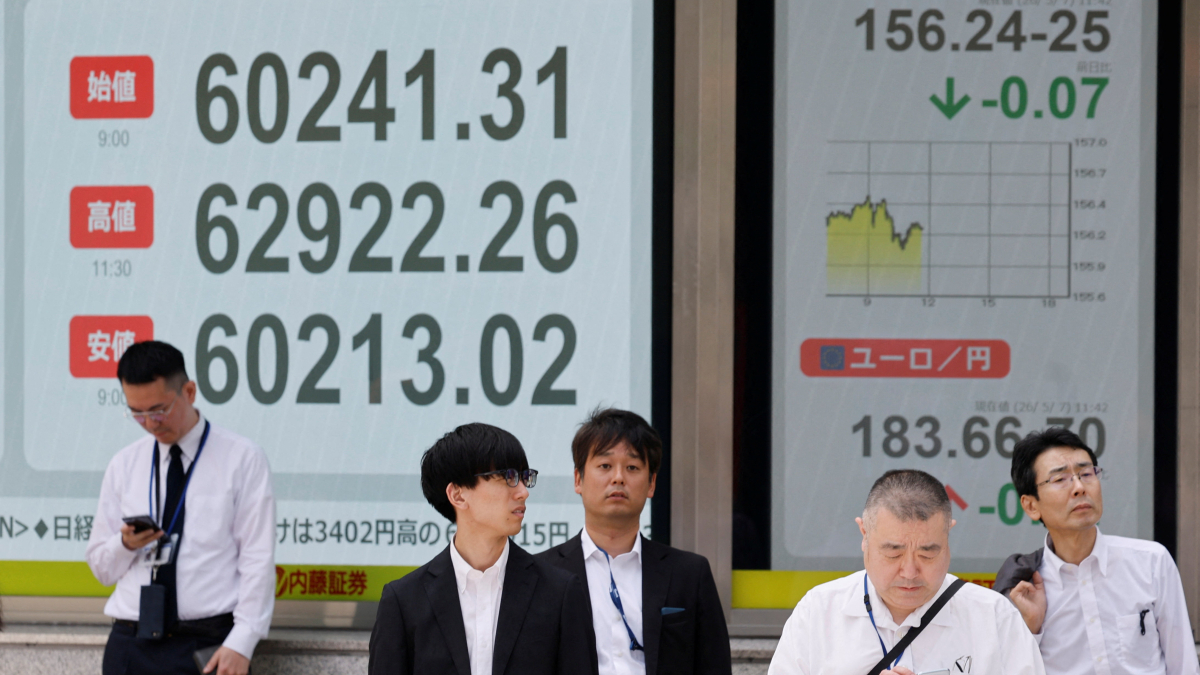
USD/JPY: The dollar rose 0.33% to 157.16. Japan is banking on a hawkish Bank of Japan and support from U.S. Treasury Secretary Scott Bessent to curb the yen's weakness.
EUR/USD: The euro slipped 0.24% to $1.1757, reflecting Europe's vulnerability as a major energy importer.
Gold: Despite the crisis, gold fell 0.5% to $4,690 an ounce, as investors prioritised cash over traditional hedges.
Equity markets: AI stocks provide a buffer
While broader global indices showed signs of instability, specific sectors in Asia managed to post significant gains.
South Korea (KOSPI): Jumped 4%, led by heavy gains in artificial-intelligence-linked chipmakers.
China (CSI300): Rose 1.4%, even as data showed producer prices hitting a 45-month high due to energy costs.
Japan (Nikkei): Fell 0.36%, erasing earlier gains as the cost of energy imports weighed on sentiment.
U.S. Futures: S&P 500 and Nasdaq futures edged down slightly (0.1% and 0.05%) following record highs last week.
Geopolitical summary: Diplomatic deadlock
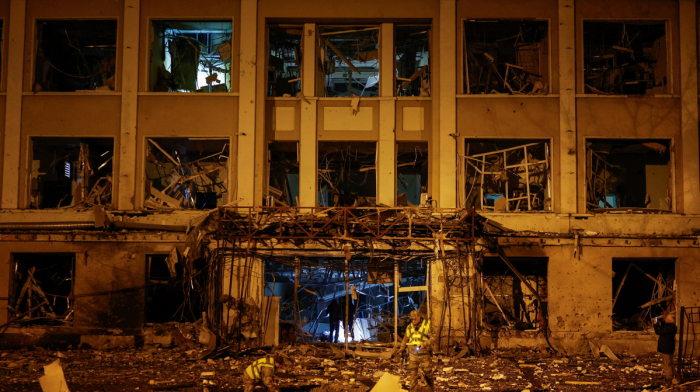
The conflict: War broke out in late February between Iran and the U.S.-led alliance.
The standoff: President Trump has rejected Tehran’s counter-proposal, which demanded an end to the war, lifting of sanctions, reparations, and formal recognition of their control over the waterway.
The next move: Global attention turns to the upcoming meeting between President Trump and President Xi Jinping in China. Gulf security, trade, and artificial intelligence (AI) are expected to dominate the discussion.
Key market takeaways
Supply Risk: The 11-week closure of the Strait is now the dominant factor in price formation.
Inflationary Pressure: Rising energy costs are manifesting in Chinese producer and consumer inflation data.
Regional Vulnerability: Japan and Europe are the most economically exposed due to their reliance on oil imports.
Liquidity Preference: Markets are currently favouring the U.S. dollar over gold as a risk-off asset.

















What is your opinion on this topic?
Leave the first comment