As the Iran war disrupts global flows of oil and gas and energy prices skyrocket, the Drin River, which descends through the mountains of northern Albania, is acting as a kind of shield.
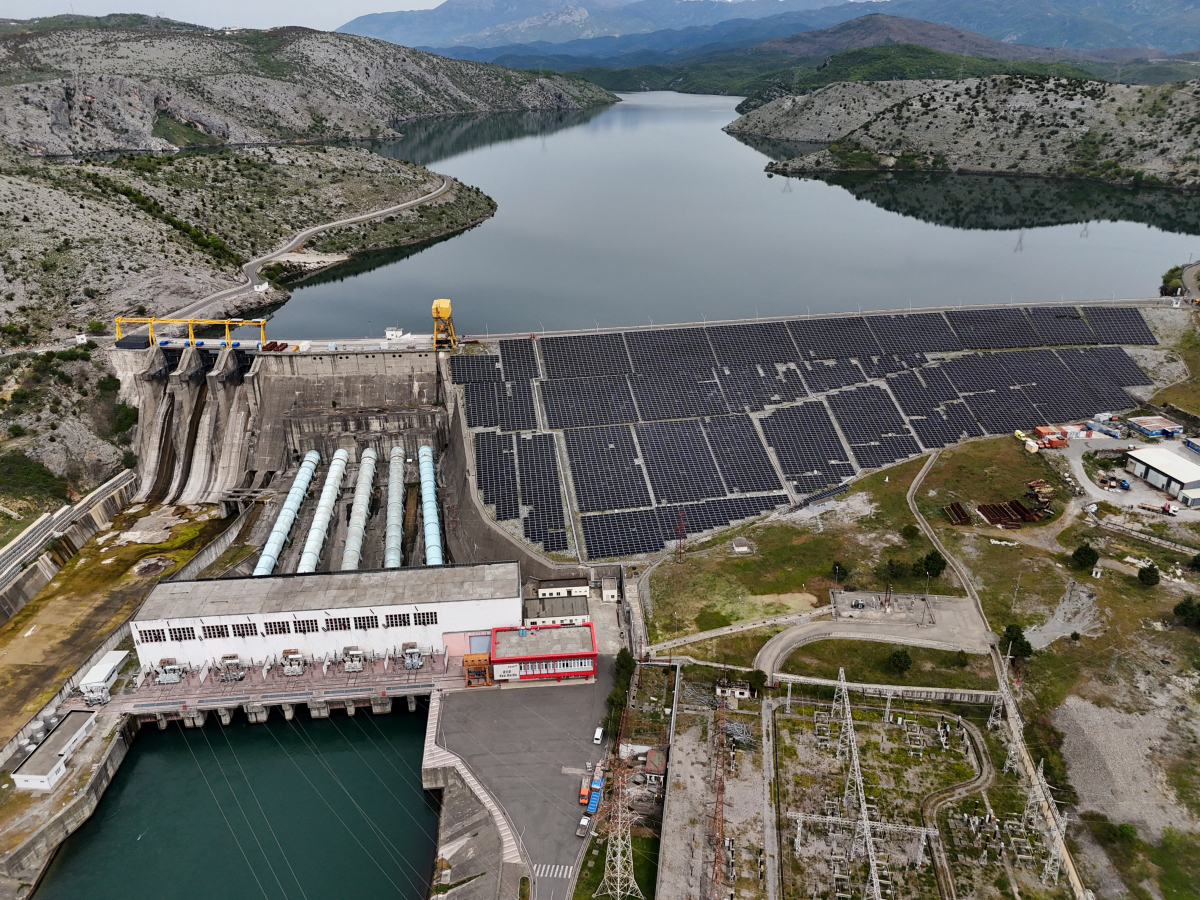
Swelled by winter rains and snowmelt, and dotted with hydroelectric dams built during communist times, the river's power provides more than 90% of the Balkan country's electricity output, helping to keep wholesale prices in check.
Albania is an example of how countries with higher renewable energy output have been shielded from sharp increases in electricity prices since the beginning of the U.S. and Israel’s war with Iran on 28 February.
That could help households, businesses and growth in those countries as the price impact trickles down to ordinary consumers in the coming months, analysts said.
It could also bolster Europe's green energy transition, which has been criticised for lacking urgency and has come under attack from the likes of U.S. President Donald Trump.
Countries heavily reliant on oil and gas face steeper price rises, adding to inflationary pressure and increasing the chance of a global recession - a familiar worry for Europeans who weathered the energy crisis triggered by Russia's invasion of Ukraine in 2022.
The crisis is raising the regional price floor for everyone, but the countries with the least flexibility and the greatest marginal dependence on imported fuels are seeing the strongest impact in volatility and peak pricing, said Satyam Singh, an Analyst at energy research firm Rystad.
Power price differences emerge across Europe
Across the Adriatic Sea from Albania, Italy, which generates more than 40% of its electricity from gas, has seen a more than 20% rise in its benchmark wholesale contract since the war began.
In contrast, the benchmark in France, which relies on nuclear energy for 70% of its electricity production, has risen by less than half of Italy's over the same period.
In Spain, which has rapidly increased renewable output to nearly 60% of total generation, prices have fallen. Albania also recorded lower average prices in March compared to last year, thanks to ample hydro capacity.
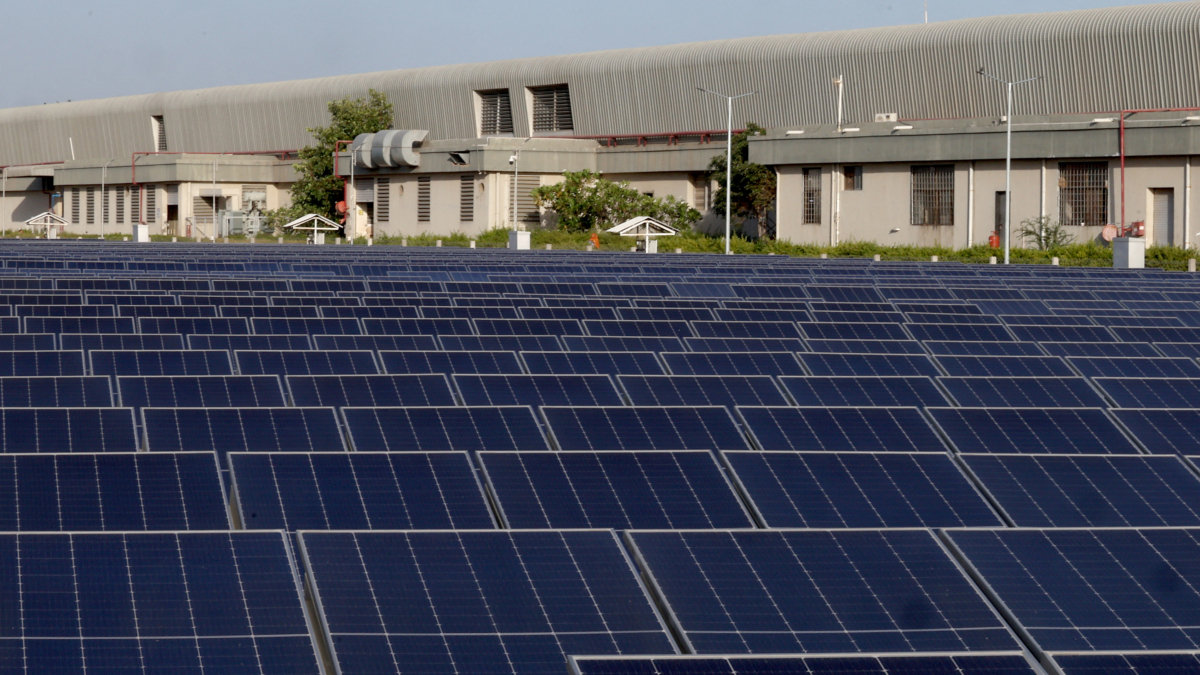
Gas-dependent countries such as Italy, Germany and Greece all have some level of solar power production, but over-reliance on solar causes what's called the 'duck curve', where prices are low in the middle of the day but spike in the early morning and late afternoon.
"The goal for most of these countries like Italy and Germany is to build a huge stack (of renewables and long-term storage) that offsets gas. It's going to be a big challenge," said Alessandro Armenia, a power analyst at commodities data and analytics firm Kpler in Paris.
Businesses and households feel the strain
Power price shocks for households are expected to be more muted than the jumps in wholesale costs seen for oil and gas, analysts say, as it can take months for these increases to work through the system.
The European Commission has developed plans to cut electricity taxes as it seeks to cushion the fallout from the war, although officials and analysts warn that state costs could balloon as a result.
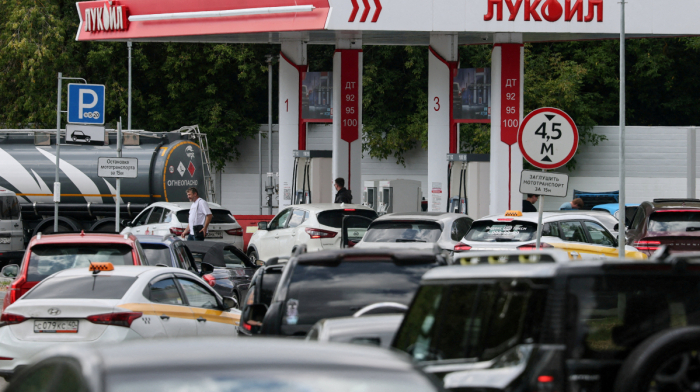
Consumers already struggling with a rise in oil-based fuel prices are worried about dearer electricity.
When the Iran war erupted, fuel costs for Marios Georgiou, a machine operator at a printing works in Limassol, soared as much as 20%, forcing him to quit one of his jobs and find alternative work closer to home. Electricity bills already cost him €200 a month.
"I've got two jobs and I can barely break even. Everything is just going up," the father of two said.
Old dams help Albania, but for how long?
In Albania, residents near the towering Vau i Dejes hydroelectric dam joke that hydropower is the only positive legacy of the country's decades of communist rule.
"Albania's heavy reliance on renewable energy, particularly hydropower, has played a crucial role in cushioning the country from the worst effects of the crisis," Albania's energy ministry said in a statement..
The country still imports power when demand peaks, and consumers are protected by government price subsidies.
Italian and German wholesale baseload electricity contracts have risen faster than their French counterpart since the start of the war














What is your opinion on this topic?
Leave the first comment