Nearly two million Muslims gather in Saudi Arabia for Hajj pilgrimage
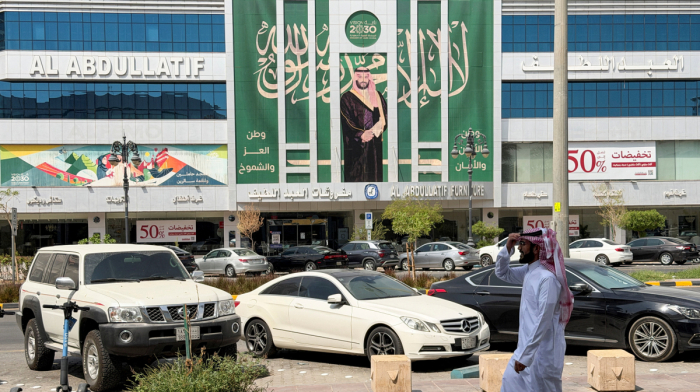
As dawn broke on Monday, pilgrims began arriving at the sacred site of Mina west of Mecca, marking the start of Hajj - one of the most significant sp...
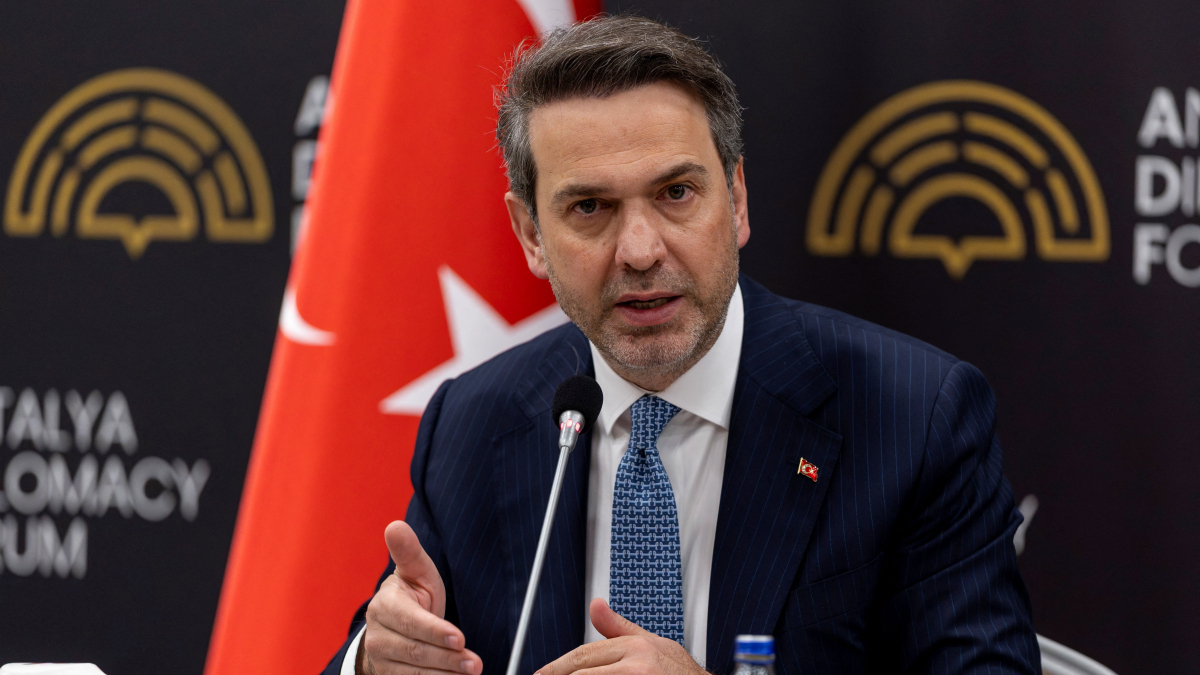
Turkish Energy Minister Alparslan Bayraktar has warned that global energy supply disruptions caused by the ongoing Middle East conflict are likely to persist.
In televised remarks on Monday, Bayraktar said Türkiye had not yet experienced supply disruptions despite the conflict between Iran, Israel and the U.S., now in its third month.
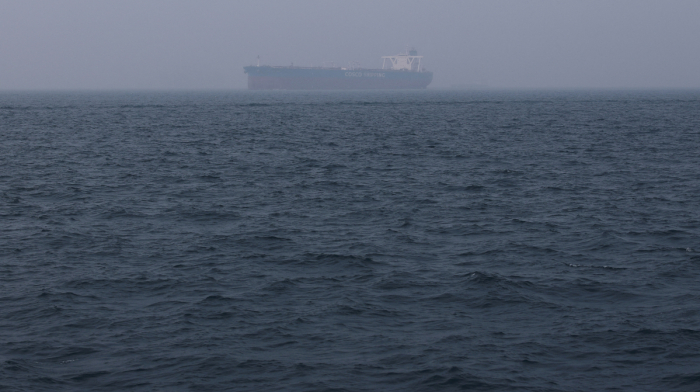
However, he cautioned that the prolonged closure of the Strait of Hormuz and the United Arab Emirates’ recent withdrawal from OPEC would likely increase uncertainty.
“And uncertainties bring risks,” the energy minister said.
Roughly 20% of the world’s oil - along with a significant share of liquefied natural gas - passes through the Strait of Hormuz, where Iran has begun charging transit fees on oil tankers crossing the waterway.
The U.S. has rejected the toll-charging scheme and has threatened to resume attacks on Iran if vessels stranded in the Persian Gulf are not allowed to transit the strait freely.
Bayraktar said the crisis was global in nature, adding that even if the conflict ended tomorrow, a “trust deficit” between the warring parties - alongside damage to energy infrastructure - would take years to repair.
The world is now living in an “era of crises,” Bayraktar said, citing unprecedented supply chain disruptions, sharp rises in commodity prices and mounting regional instability - the latter of which he attributed to increasingly aggressive actions by Israel.
He also pointed to Washington’s policy of maintaining what he described as “energy dominance,” noting recent developments involving Venezuela and other major oil exporters.
U.S. actions, Bayraktar said, do not appear to be driven by domestic political factors, but rather by a strategy to maintain control over energy markets - the effects of which are likely to become apparent in the coming period.

The inaugural Enhanced Games began in Las Vegas on Sunday (24 May), launching one of the most controversial experiments in modern sport, in which athletes openly compete using performance-enhancing drugs banned under traditional anti-doping rules.
A peace agreement between Washington and Tehran is yet to materialise, with U.S. President Donald Trump saying that negotiations are incomplete and an Iranian Foreign Ministry Spokesman saying that a deal isn't imminent.
A "largely negotiated" memorandum of understanding on an Iran peace deal would reopen the Strait of Hormuz, U.S. President Donald Trump said on Saturday, though the Iranian Fars news agency disputed that claim.
Start your day informed with the AnewZ Morning Brief. Here are the top stories for 25th May, covering the latest developments you need to know.
The World Health Organization warned on Monday that the fast-moving Ebola outbreak in the Democratic Republic of the Congo and Uganda was outpacing response efforts, with 220 suspected deaths reported so far.
Azerbaijan Railways (ADY) resumed passenger services between Baku and Tbilisi on 25 May, with the first train departing Baku Railway Station at 23:10 local time after a six-year suspension caused by the COVID-19 pandemic.
For the first time in decades, Armenia has rail access to the EU. The Akhalkalaki–Kars corridor, running through Georgia into Türkiye, is now officially open for Armenian cargo - a quiet but consequential shift in the region’s economic geography.
The Kremlin warned on Monday that Armenia could lose the “very attractive” price it pays for Russian gas if it moved away from integration with Russia and deepened ties with the European Union.
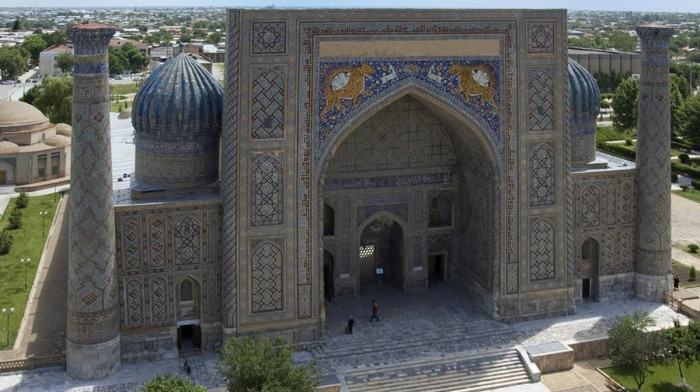
Uzbekistan has unveiled its final squad for the 2026 FIFA World Cup, marking the country’s first appearance at football’s biggest tournament. The national team, led by Italian head coach Fabio Cannavaro, will compete at the tournament hosted by the U.S., Canada and Mexico.
Nearly half of Afghanistan’s population - more than 21 million people - needed humanitarian assistance in the first three months of 2026, according to the United Nations, yet aid agencies reached only 4.7 million people.
You can download the AnewZ application from Play Store and the App Store.
What is your opinion on this topic?
Leave the first comment