At a moment when the trade relationship between the world’s two largest economies remains deeply strained, senior officials from Beijing and Washington have resumed direct talks.
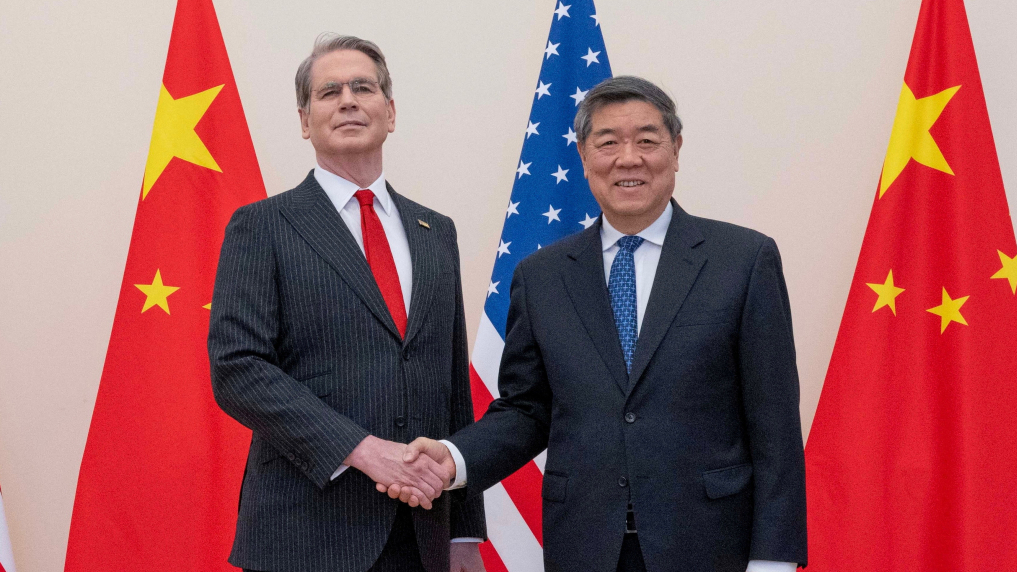
On Thursday evening, Chinese Vice Premier He Lifeng held a video call with U.S. Treasury Secretary Scott Bessent and U.S. Trade Representative Jamieson Greer, in what both sides described as candid, in-depth, and constructive exchanges.
He Lifeng is China’s lead official on economic and trade affairs with the United States, making him the natural counterpart to the two American officials. The call focused on efforts to follow through on agreements reached between the two countries’ leaders and to find common ground on trade issues that have been simmering for months.
China used the occasion to formally register its displeasure over recent American trade restrictions, describing them as a matter of serious concern. Both sides nonetheless agreed to continue discussions.
Ongoing diplomatic channel
The meeting was not the first of its kind. The three men held in-person talks in Paris in March and have maintained communication through the China–U.S. economic and trade consultation mechanism - a structured channel designed to allow both governments to manage disagreements without letting them escalate.
Thursday’s call was the latest use of that mechanism, with both sides signalling their intention to keep it open.
Timing ahead of leaders’ summit
What gives the call particular significance is its timing. It comes just weeks before an expected summit between U.S. President Donald Trump and Chinese President Xi Jinping, reportedly planned for mid-May.
Calls such as this are typically used to lay the groundwork - officials working through details and narrowing differences so that, when leaders meet, tangible outcomes can be presented.
Persistent trade tensions
The broader backdrop remains one of genuine tension. The United States has imposed successive rounds of tariffs and trade restrictions on Chinese goods, with Beijing responding with measures of its own.
Behind the diplomatic language of “constructive exchanges” and “managing differences” lies a trade relationship that both sides recognise they cannot afford to sever, even as they struggle to agree on its terms.
A delicate balancing act
That is the central tension these talks seek to navigate. Neither country wants a full rupture, yet neither is willing to fully concede.
As a result, video calls continue, consultations proceed, and officials on both sides choose their words carefully — aware that markets, businesses, and governments worldwide are watching closely for any indication of what may come next.


















What is your opinion on this topic?
Leave the first comment