Global financial markets remained on edge on Friday as the escalating war involving the United States, Israel and Iran continued to rattle investors, fuelling volatility in stocks and sending energy prices sharply higher.
Equities across Asia struggled for direction after a turbulent week, while European markets attempted a modest recovery following earlier losses driven by fears of disruption to global oil and gas supplies.
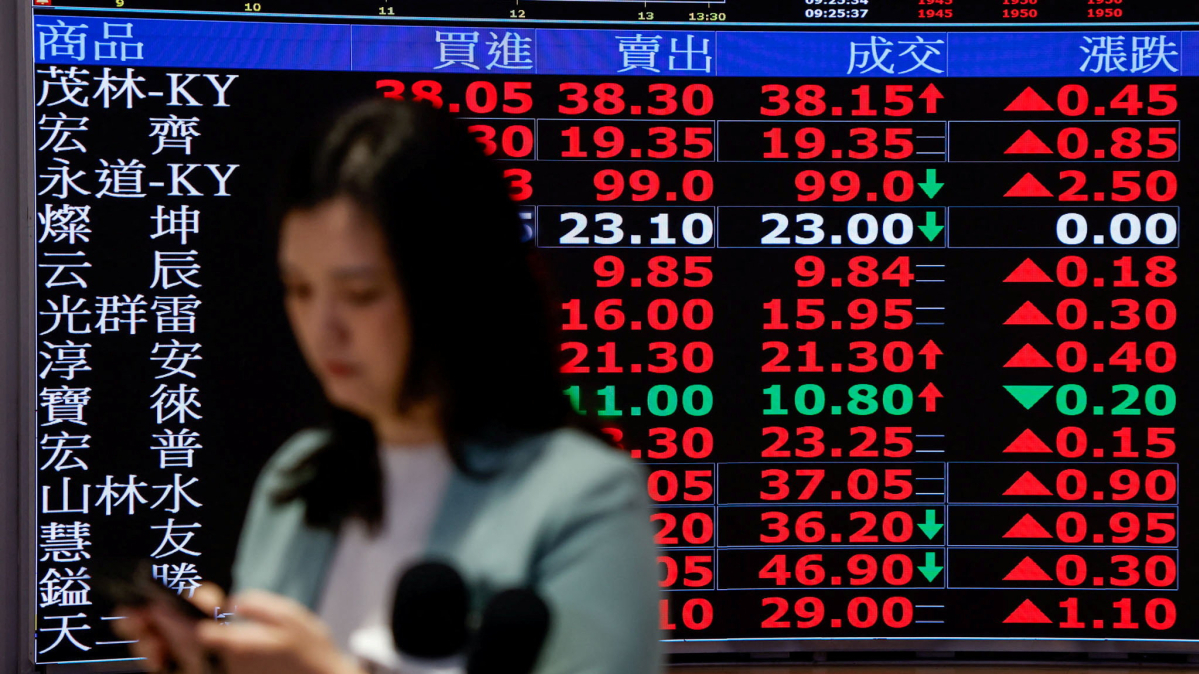
Asian markets head for steep weekly loss
Stock markets in Asia were still under pressure on Friday, though some pared earlier losses as oil prices eased slightly from recent highs.
The region’s equities were nevertheless heading for their largest weekly decline in six years, reflecting growing investor anxiety over the conflict and its potential economic fallout.
Earlier in the week, South Korean shares plunged more than 7% when markets reopened after a holiday. Japan’s benchmark Nikkei 225 also dropped sharply as investors worried about the country’s heavy dependence on imported energy passing through the Strait of Hormuz.
Airline stocks were among the worst affected across the region due to rising fuel costs and disruption to international travel routes. Shares in ANA Holdings, Japan Airlines, Korean Air and Australia’s Qantas Airways all recorded steep losses during the week.
European and U.S. markets attempt to stabilise
European and U.S. stock futures edged higher on Friday as investors took some relief from a slight pullback in oil prices. However, markets remained fragile after several days of heavy selling.
The week has been marked by sharp swings in sentiment, with traders alternating between cautious optimism and deep concern about the potential length and severity of the conflict.
On Wall Street earlier in the week, airline companies including American Airlines, United Airlines and Delta Air Lines were among the hardest hit as rising energy costs threatened to increase already substantial fuel bills.
Energy markets feel the biggest shock
The impact of the conflict has been most visible in energy markets.
Oil prices are on track for their largest weekly gain since Russia’s invasion of Ukraine in 2022, driven by fears that fighting in the Middle East could disrupt supply routes.
Brent crude has surged more than 11% this week, while natural gas prices have also jumped sharply.
European liquefied natural gas prices surged earlier in the week after Qatar halted LNG production, a significant development given that the country accounts for around one-fifth of global supply.
The situation worsened after an Iranian Revolutionary Guards official warned that the Strait of Hormuz had been closed to marine traffic and threatened ships attempting to pass through the key shipping route.
Inflation fears return to the spotlight
Rising energy costs have revived concerns about inflation just as central banks were hoping price pressures were beginning to ease.
Investors have quickly moved to price in the possibility of tighter monetary policy across major economies, pushing bond yields higher.
The U.S. dollar has strengthened as investors moved into safer assets, while commodities such as gold and cryptocurrencies have experienced volatile trading.
Uncertainty over the war’s duration
Investors are struggling to gauge how long the conflict may last and what its broader geopolitical consequences could be.
Tensions escalated earlier in the week when two drones struck the U.S. embassy in Riyadh, causing a small fire and limited material damage, according to Saudi authorities.
U.S. President Donald Trump has defended the campaign against Iran, saying military operations were progressing faster than expected.
Israel’s Prime Minister Benjamin Netanyahu also sought to reassure markets, saying the war with Iran was not expected to last for years.
Despite such statements, analysts warn that the uncertainty surrounding the conflict will likely keep markets volatile in the coming weeks.
Focus shifts to U.S. jobs data
Amid the geopolitical turmoil, investors are also closely watching economic indicators, including the upcoming U.S. nonfarm payrolls report.
Economists expect the world’s largest economy to have added around 59,000 jobs in February, down from 130,000 in January, while the unemployment rate is forecast to hold steady at 4.3%.
Although it may be too early to see clear signs of artificial intelligence (AI) reshaping the labour market, the report will be scrutinised for indications of slowing job growth or rising unemployment.
For now, however, the trajectory of global markets remains closely tied to developments in the Middle East conflict and its impact on energy supplies and inflation.


















What is your opinion on this topic?
Leave the first comment