




23:25 CET
Nigeria confirms Ebola case in Abuja
Nigerian health authorities have confirmed a case of Ebola disease in the Federal Capital Territory (FCT)...


Iran launched a wave of missiles at Israel early on Thursday, sending millions of residents into bomb shelters as the U.S.-Israel war with Iran entered its sixth day and just hours after moves to halt the U.S. air assault were blocked in Washington.
Meanwhile, Republican senators in Washington voted against a motion aimed at stopping the air campaign and requiring that military action be authorised by Congress, leaving President Donald Trump's power to direct the war largely unbound, as the conflict continues to widen across the Middle East and beyond.
The U.S. Senate voted 53 to 47 not to advance the resolution, largely along party lines, with all but one Republican voting against the procedural motion and all but one Democrat supporting it.
The U.S.–Iran war has widened sharply, with a U.S. submarine sinking an Iranian warship off Sri Lanka on Wednesday, killing at least 80 people, and NATO air defences destroying an Iranian ballistic missile fired towards Turkey.
The escalation came as the powerful son of Iran's slain supreme leader emerged as a frontrunner to succeed him, suggesting Tehran was not about to buckle to pressure from the United States and Israel's military campaign that has killed hundreds and convulsed global markets.
The missile incident is the first time that Türkiye – which borders Iran and has NATO's second-largest military – has been drawn into the conflict, but U.S. Defense Secretary Pete Hegseth said there was no sense that it would trigger the Atlantic alliance's collective-defence clause.
The war continued to paralyse shipping through the Strait of Hormuz on Thursday, choking off vital Middle East oil and gas flows. Trump has pledged to provide insurance and naval escorts for ships to contain soaring costs, with oil prices rising on Thursday. At least 200 vessels remain anchored off the coast, according to Reuters estimates.
The U.S. Navy said it will escort oil tankers through the Strait of Hormuz "as soon as it can" but is focused on the conflict for now, U.S. Energy Secretary Chris Wright said on Fox News on Wednesday.
"No, not yet ... We'll do that as soon as we can. Right now, our Navy, and of course, our military, is focused on other things, which is disarming this Iranian regime," Wright said, when asked if any commercial vessels had requested U.S. Navy assistance in the Gulf.
Asian shares rallied on Thursday after days of sharp losses, while U.S. stocks closed up on Wednesday on hopes that the war might end soon. Some traders said the improved sentiment followed a New York Times report that Iranian intelligence had reached out to the CIA early in the war about a path towards ending it.
A source from the Iranian intelligence ministry rejected the article as "absolute lies and psychological warfare in the midst of war", Iran's semi-official news agency Tasnim reported.
Repatriation flights departed the Middle East on Wednesday as governments rushed to bring home tens of thousands of citizens stranded by the war.
Commercial air traffic remained largely absent across much of the region, with major Gulf hubs including Dubai, the world's busiest airport for international passengers, affected.
Plans were in doubt for a funeral for Ayatollah Ali Khamenei, 86, killed by Israeli forces on Saturday in the first assassination of a nation's top ruler by an airstrike.
The body had been expected to lie in state in a vast Tehran mosque from Wednesday evening, but Iran announced that three days of farewell ceremonies had been indefinitely postponed and no funeral date had been announced.
Two Iranian sources, speaking on condition of anonymity, told Reuters that Mojtaba Khamenei, son of Iran's slain supreme leader, was not in Tehran when his father was killed.
Iran said the Assembly of Experts that will select the new leader would announce its decision soon, only the second time it has done so since the Islamic Republic's founding in 1979.
Assembly member Ayatollah Ahmad Khatami told state TV the candidates had already been identified but did not name them.
Israel said it would hunt down whoever was chosen.
Other candidates for supreme leader include Hassan Khomeini, grandson of the Islamic Republic's founder and a champion of the reformist faction sidelined in recent decades.

Nigerian health authorities have confirmed a case of Ebola disease in the Federal Capital Territory (FCT)...
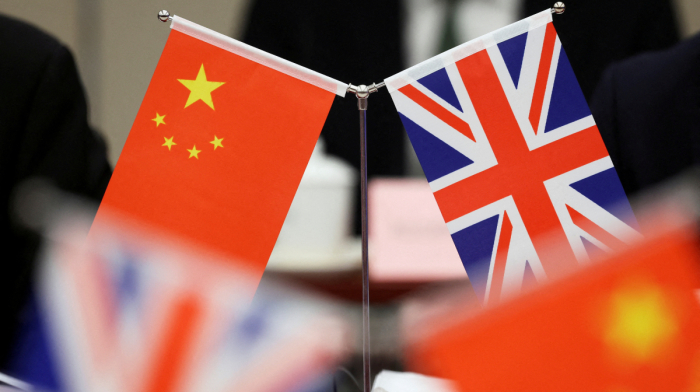
China has lodged a formal diplomatic protest with the UK after British border officials allegedly subjected Chinese travellers to lengthy questioni...
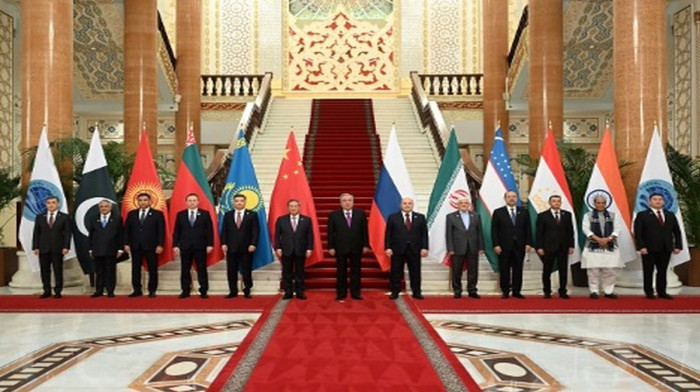
Member states of the Shanghai Cooperation Organisation (SCO) prevented 273 terrorist attacks and more than 3,000 crimes linked to terrorism, separa...
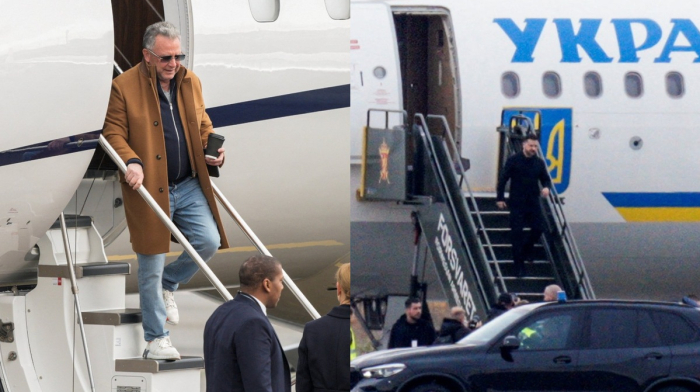
Ukrainian President Volodymyr Zelenskyy has arrived in Norway for talks about the Russia-Ukraine war. He is expected to meet with U.S. President Donald Trump's Special Envoy Steve Witkoff, who arrived in Oslo earlier. Witkoff will also meet European officials.
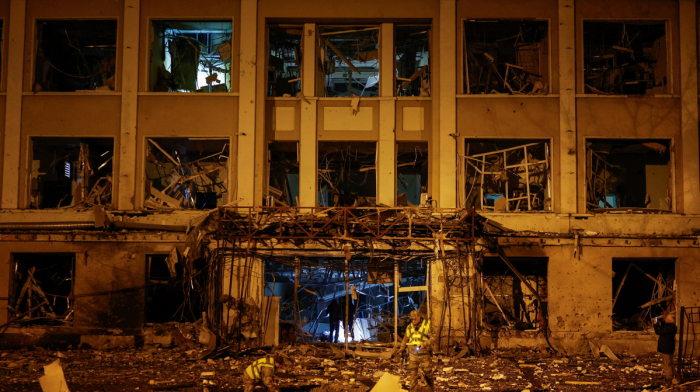
U.S. President Donald Trump has criticised Ukrainian President Volodymyr Zelenskyy for continuing to target Russia's energy infrastructure, while Russian strikes on Kyiv overnight killed at least one person and damaged a metro station.
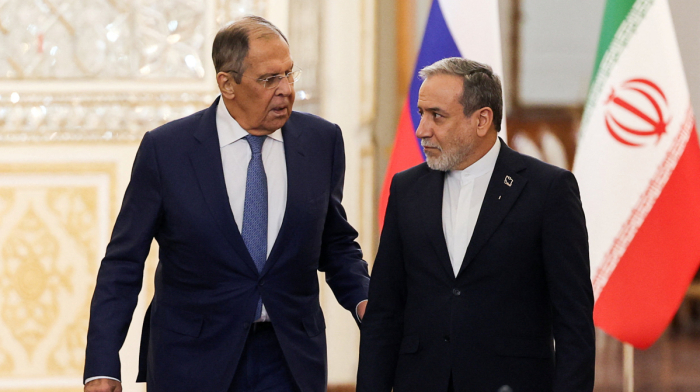
Iranian Foreign Minister Abbas Araghchi said regional issues should be resolved through diplomacy and blamed the United States for insecurity and tensions in the Strait of Hormuz, speaking at a joint news conference with Russian Foreign Minister Sergey Lavrov on Monday.
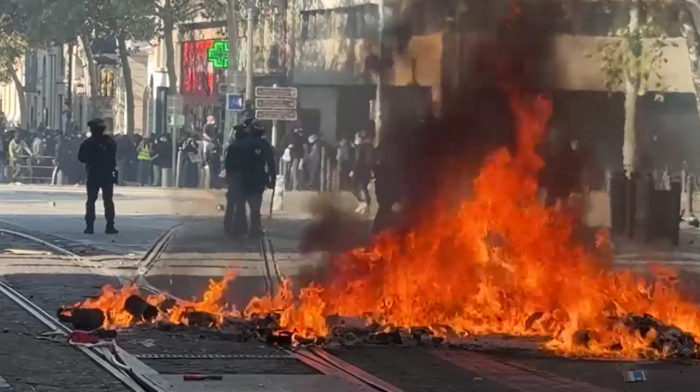
French President Emmanuel Macron has condemned the violence, looting and vandalism that erupted during cost-of-living protests across France. Prime Minister Sébastien Lecornu held crisis talks on Monday, calling for partial curfews and raising the possibility of a state of emergency.
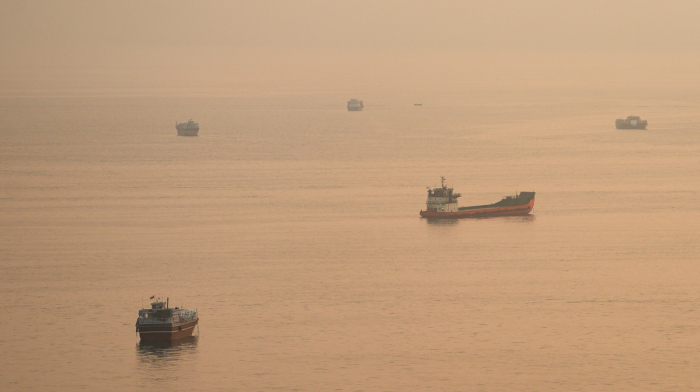
An oil tanker caught fire after striking a naval mine in the southern part of the Strait of Hormuz, Iran’s Islamic Revolutionary Guard Corps (IRGC) Navy said late Sunday.
Member states of the Shanghai Cooperation Organisation (SCO) prevented 273 terrorist attacks and more than 3,000 crimes linked to terrorism, separatism and extremism in 2025, according to the bloc's regional counter-terrorism body.
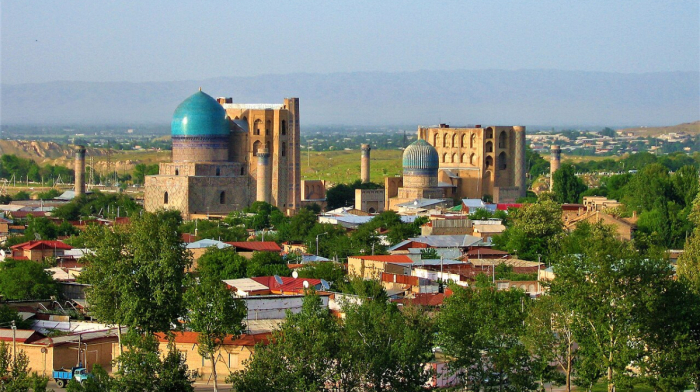
The C5+1 ministerial meeting in Samarkand has strengthened economic ties between the U.S. and Central Asia, with Uzbekistan securing 54 agreements and initiatives worth around $12 billion with U.S. companies and institutions.
Iranian Foreign Minister Abbas Araghchi said regional issues should be resolved through diplomacy and blamed the United States for insecurity and tensions in the Strait of Hormuz, speaking at a joint news conference with Russian Foreign Minister Sergey Lavrov on Monday.
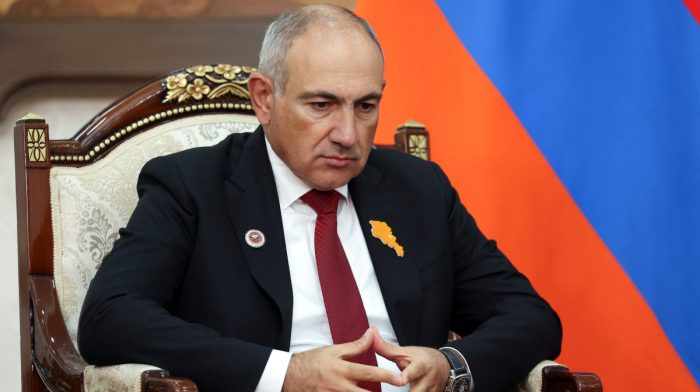
Armenia could face soaring gas prices, a sharp drop in remittances and tighter restrictions on migrant workers if its membership of the Eurasian Economic Union (EAEU) is suspended, according to a new report examining the risks of closer ties with the European Union.
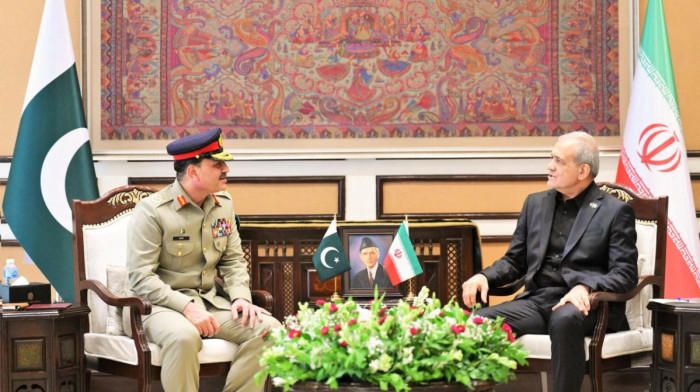
Pakistan’s military chief is heading to Iran for talks as Islamabad pushes for dialogue between Tehran and Washington, while reaffirming its defence commitment to Saudi Arabia and strengthening security ties with Qatar.
You can download the AnewZ application from Play Store and the App Store.




What is your opinion on this topic?
Leave the first comment