live Explosions reported in Qatar: All the latest news on the Iran strikes
Iran has been at the centre of a rapidly escalating regional crisis since 28 February, when United States' and Israeli military strikes hi...
Several marine insurers said they are cancelling war risk cover for ships due to the conflict in Iran and the Gulf. Insurers including Gard, Skuld, NorthStandard, the London P&I Club and the American Club said their cancellations will take effect from 5 March.
According to notices dated 1 March on their websites, war risk cover will be excluded in Iranian waters, as well as the Gulf and adjacent waters.
Skuld added in its notice that it was working on a buy-back option to reinstate cover.
Japan's MS&AD Insurance Group told Reuters it had suspended underwriting of a range of insurance policies covering war risks in the waters around Iran and Israel and neighbouring countries.
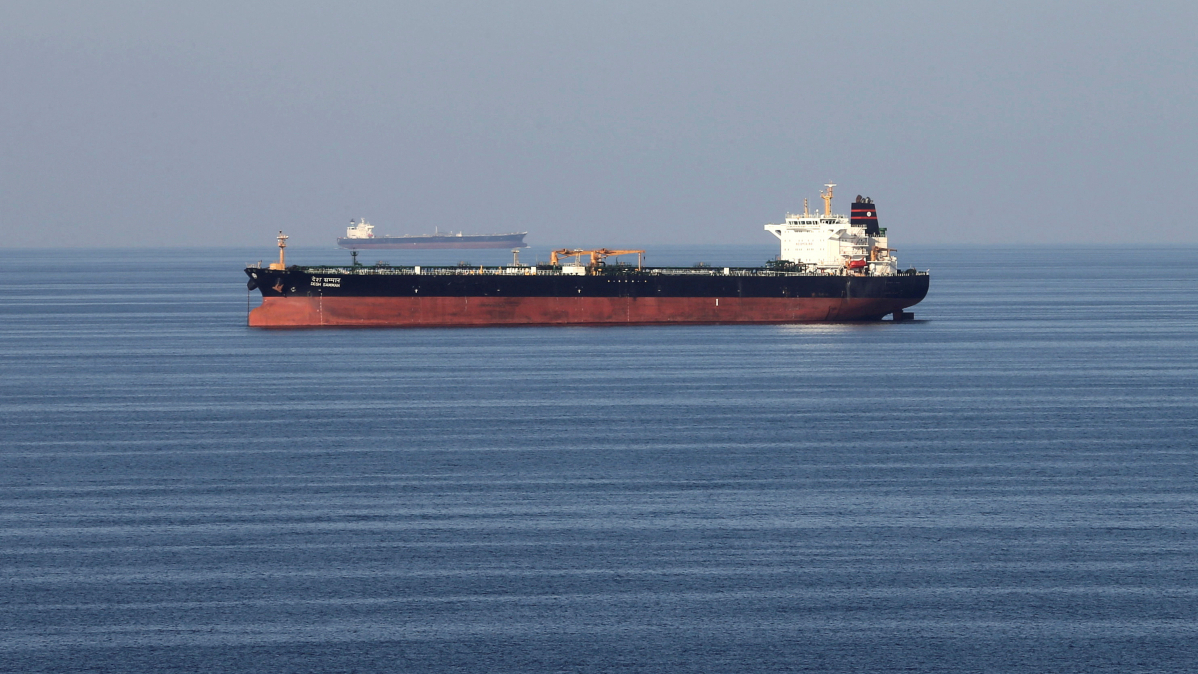
Tensions in the Middle East have escalated sharply after the U.S. and Israeli forces launched strikes on Iran over the weekend, prompting Tehran to say it had closed navigation through the Strait of Hormuz, a key chokepoint for global oil and gas flows.
Several tanker owners, oil majors and trading houses have since suspended crude, fuel and liquefied natural gas shipments through the narrow waterway, and satellite data has shown vessels accumulating near key United Arab Emirates ports such as Fujairah.
Ship-tracking data on Sunday showed the disruption growing, with at least 150 tankers - including crude and LNG carriers - anchored in open Gulf waters beyond the Strait of Hormuz and dozens more stationary on the other side of the chokepoint.
The risks intensified further after at least three tankers were damaged off the Gulf coast and one seafarer was killed.

Follow the latest developments and global reaction after the U.S. and Israel launched “major combat operations” in Iran, prompting retaliation from Tehran.
Ayatollah Alireza Arafi has moved into a pivotal constitutional role following the death of Supreme Leader Ayatollah Ali Khamenei, becoming the clerical member of Iran’s temporary leadership council under Article 111 of the Constitution of the Islamic Republic of Iran.
Governments across the region responded swiftly to Israel’s strikes on Iran, closing airspace, issuing travel advisories and activating contingency plans amid fears of escalation.
A senior Iranian official has warned Israel to “prepare for what is coming”, insisting that Tehran’s response to the latest escalation in the Middle East will be made openly and without limits.
The United States and Israel have carried out large-scale strikes on Iranian leadership and military targets, with Iranian state media confirming that Supreme Leader Ayatollah Ali Khamenei was killed.
Israel carried out heavy airstrikes on the Hezbollah-controlled southern suburbs of Beirut on Monday (2 March), after the Iran-backed group launched missiles and drones towards Israel in retaliation for the killing of Iran's Supreme Leader Ali Khamenei.
Türkiye raised its security level for Turkish-flagged vessels in the Strait of Hormuz to Level 3 on Sunday (2 March). The development follows Iranian restrictions on shipping after U.S. and Israeli strikes and confirmation of Supreme Leader Ali Khamenei’s death.
Iran has been at the centre of a rapidly escalating regional crisis since 28 February, when United States' and Israeli military strikes hit Tehran. The attack prompted retaliatory hits by Iran across the Middle East, civillian casualties, maritime disruptions and international diplomatic responses.
The United States and Israel have carried out large-scale strikes on Iranian leadership and military targets, with Iranian state media confirming that Supreme Leader Ayatollah Ali Khamenei was killed.
Follow the latest developments and global reaction after the U.S. and Israel launched “major combat operations” in Iran, prompting retaliation from Tehran.
You can download the AnewZ application from Play Store and the App Store.
What is your opinion on this topic?
Leave the first comment