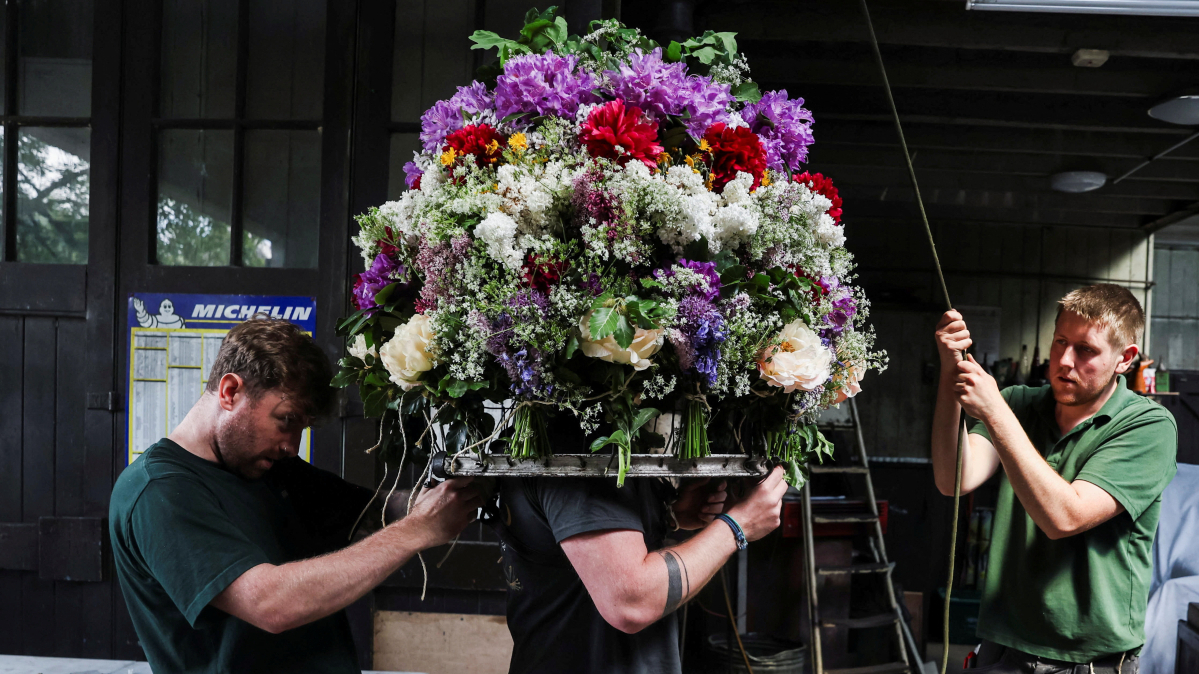
A centuries-old floral tradition is being prepared in the English village of Castleton, where the Garland King will lead a ceremonial procession through the Peak District wearing a large flower-covered structure weighing up to 40 kilograms.
The annual Garland Day ceremony takes place on 29 May, unless the date falls on a Sunday, and is associated with Royal Oak Day (Oak Apple Day), which commemorates the restoration of King Charles II to the throne in 1660.
Oak leaves have long been linked to the celebration, and some interpretations connect the floral garland to the oak tree in which the King is said to have hidden following the Battle of Worcester.
Tradition rooted in folklore
The Castleton Garland Ceremony is regarded as one of England’s oldest surviving folk traditions. Its first recorded reference appears in churchwardens’ accounts from 1749, which noted a payment “for an iron rod to hang ye ringers garland in”.
Over time, the ceremony evolved through several forms, including early links to church bell-ringers who carried the garland through the village while performing dances and collecting donations.
In later years, schoolgirls joined the dances, while the structure of the event gradually developed into its modern format.
Procession through the village
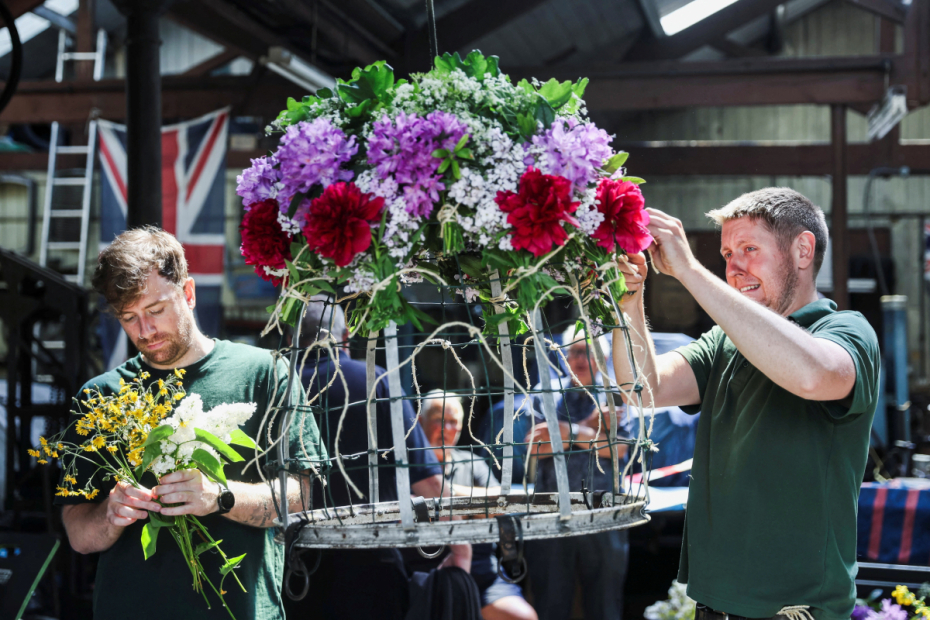
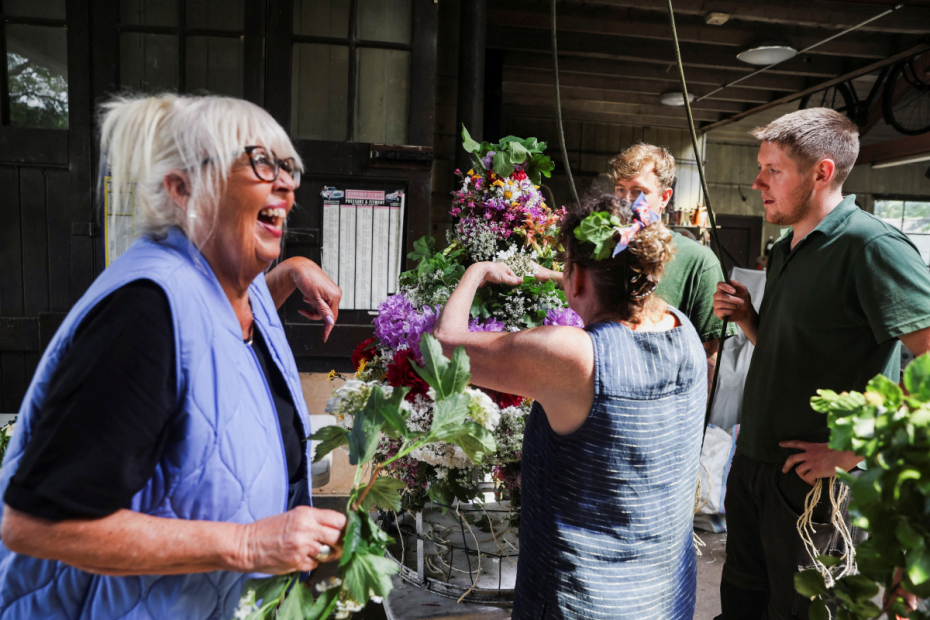
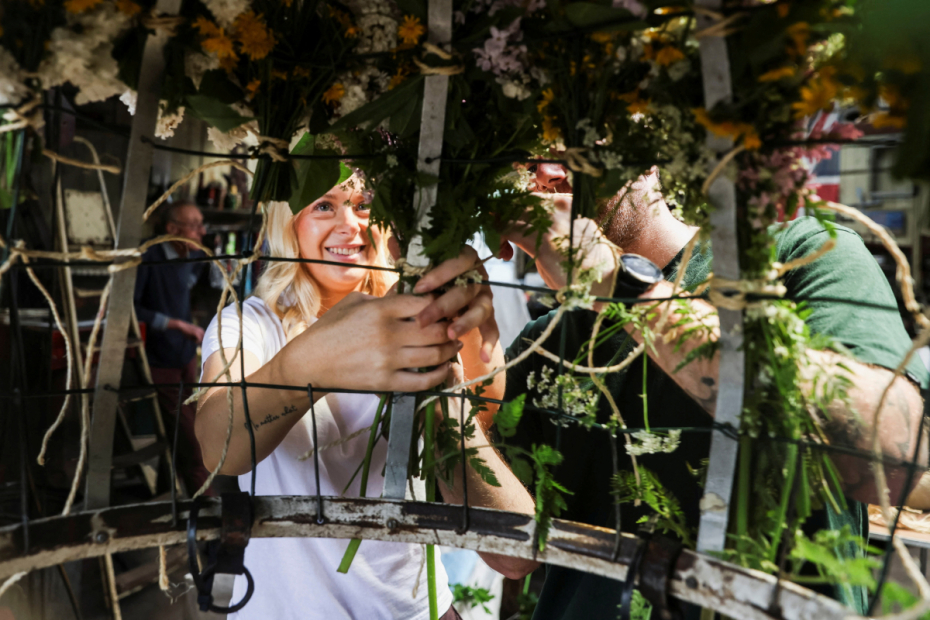
The garland itself is a large wooden frame decorated with seasonal flowers and shaped into a bell-like structure. It is placed over the Garland King, completely covering his head and upper body, before he is led on horseback through the village.
The procession begins in the early evening, when the King and Consort visit parts of the village to announce the start of the parade. They then gather at a local pub, where the fully decorated garland is placed over the King before the main procession sets off.
The event features the Castleton Silver Band, traditional dances performed by local children, and stops at several pubs along the route. At each stop, the band performs the Garland tune as the procession makes its way through the village.
At the end of the ceremony, the garland is removed and hoisted onto the church tower, where it remains on display until the flowers fade.
A smaller floral arrangement is then laid at the village war memorial, accompanied by traditional music.
Preserving a historic custom
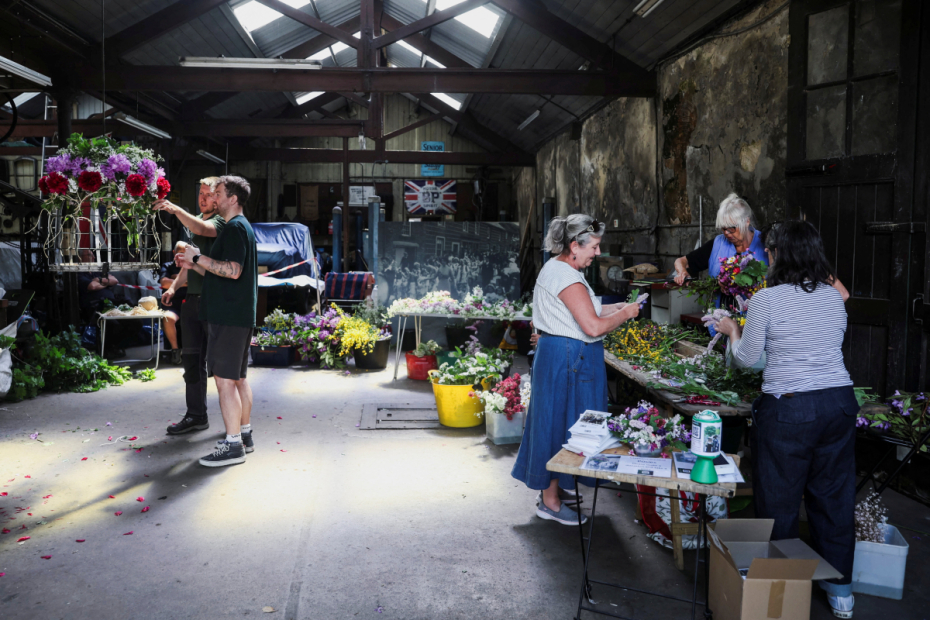
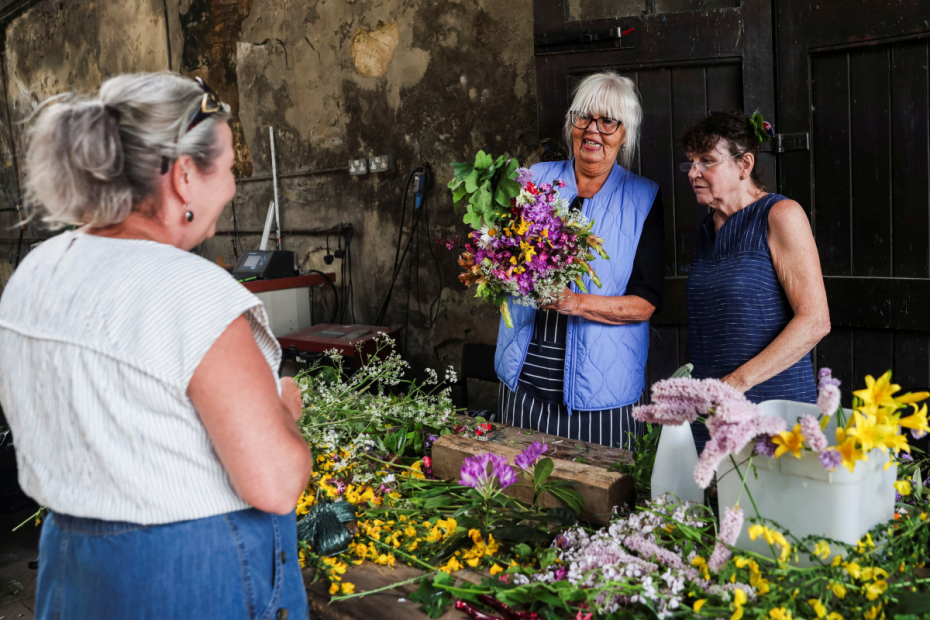
The ceremony is organised by a local committee, which oversees preparations including decorating the garland frame, arranging maypole dances in the village centre and coordinating the horses used in the procession.
Historically, the role of Garland King evolved from early village participants, including bell-ringers and local tradesmen, with costumes and customs changing over time.
The modern version of the event was formalised during the 20th century, with the current format overseen by a dedicated Garland Committee.
Castleton Garland Day continues to attract visitors each year, with preparations now under way for the latest staging of this rare surviving example of England’s floral folk heritage.


















What is your opinion on this topic?
Leave the first comment