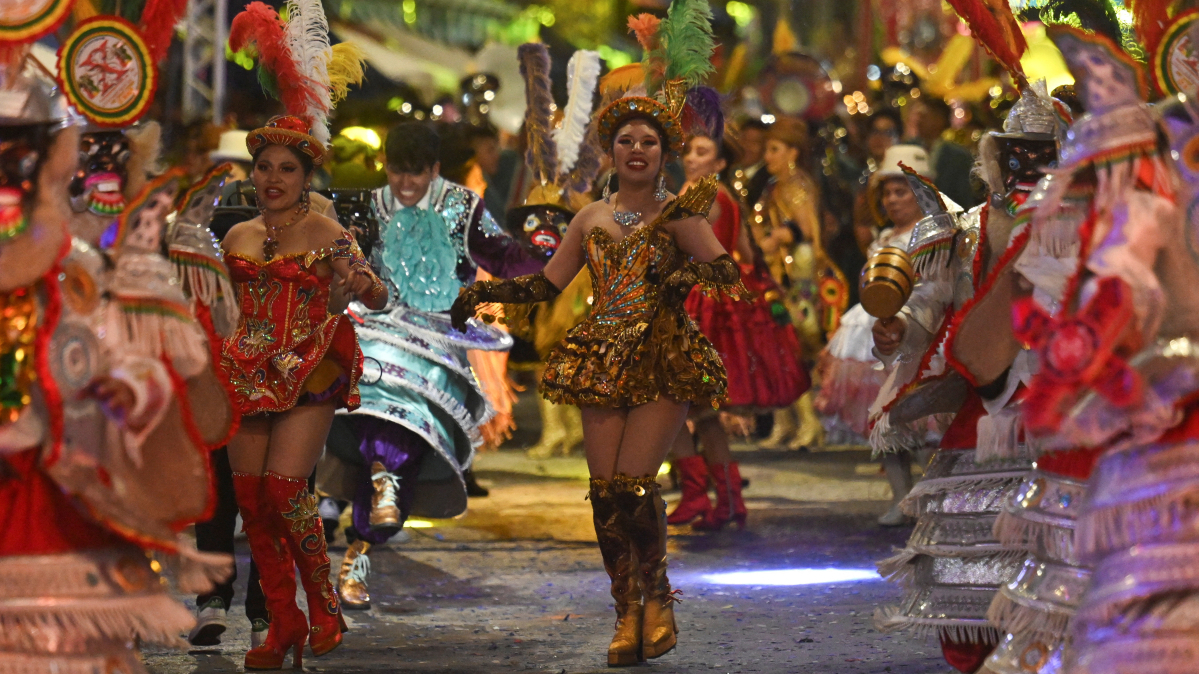
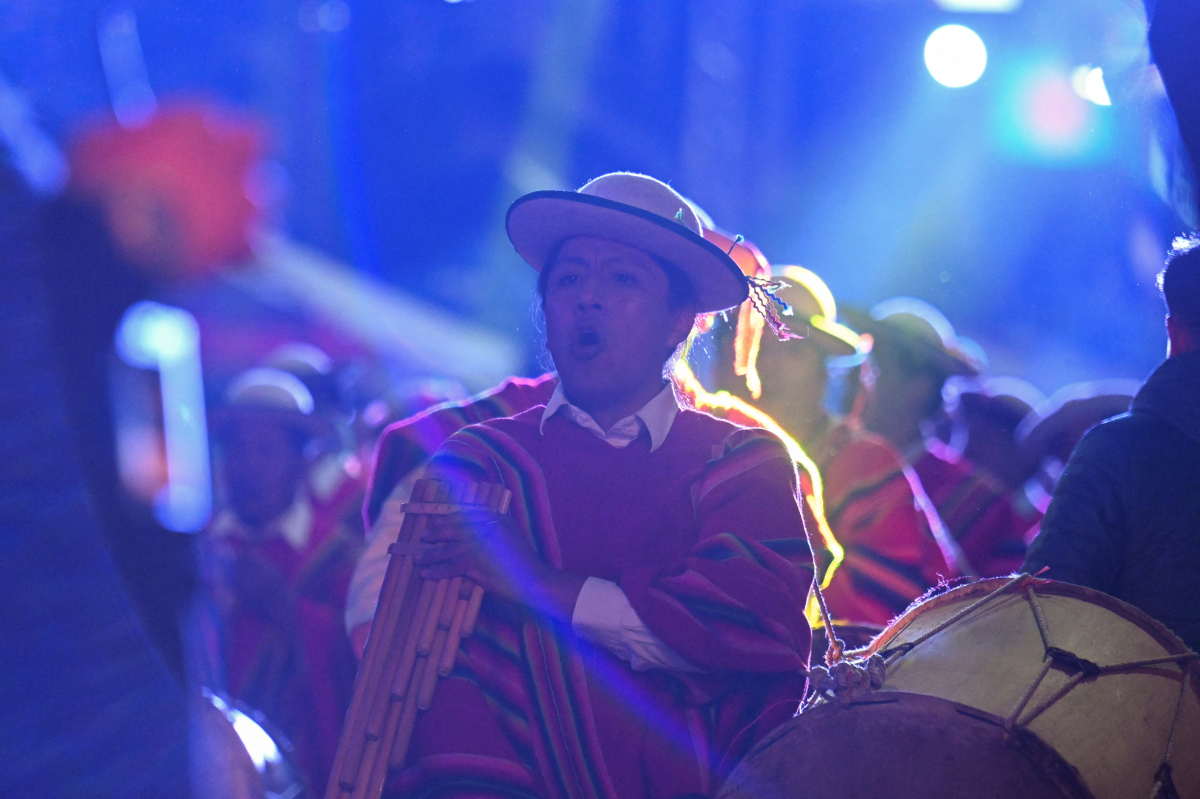
Tens of thousands of dancers filled the streets of La Paz on Saturday for Bolivia's annual Gran Poder festival, one of the country's largest cultural celebrations, after the event was postponed twice due to social unrest and road blockades.
Organisers said this year's festival brought together 74 dance fraternities and around 87,000 performers, with celebrations continuing from dawn into the early hours of Sunday.
Recognised by UNESCO as an Intangible Cultural Heritage of Humanity since 2019, the Gran Poder festival honours the Lord Jesus of Gran Poder while blending Indigenous Andean traditions with Catholic devotion.
Traditional dances take centre stage
The parade featured some of Bolivia's best-known traditional dances, including the elaborate Morenada, the energetic Caporales, the ritual-inspired Tinku, the Llamerada, which honours llama herders of the Altiplano, and the Kullaguada, representing Andean textile weavers.
Dancer Karen Mita said the celebration reflected Bolivia's unique cultural identity.
"Our culture, our folklore, are unique in the world... so that all Bolivians and all people from around the world can know what we are in our hearts and in our essence," she said.
Another participant, John Sandy, said the festival represented faith and national pride.
"For us, the Gran Poder means a lot of faith and devotion... We dance because we like to represent the Caporales dance in this festival, which is the heritage of the entire nation," he said, adding that he has participated in the event for 35 years.
Economic and cultural significance
The festival attracts participants from Bolivia, Peru and Chile and is one of the country's most important cultural and tourism events.
Bolivian authorities estimate the annual celebration generates millions of dollars in economic activity, supporting industries ranging from costume making and music to hospitality and tourism.
Read more:



















What is your opinion on this topic?
Leave the first comment