Iran: 'No enemy troops should survive if adversaries attempt a ground operation' - Middle East conflict on 2 April
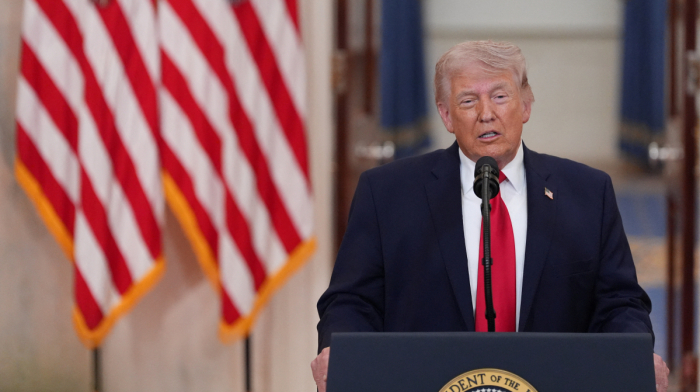
Fears of wider escalation grow despite President Donald Trump saying U.S. strikes on Iran could end within weeks. Meanwhile ...
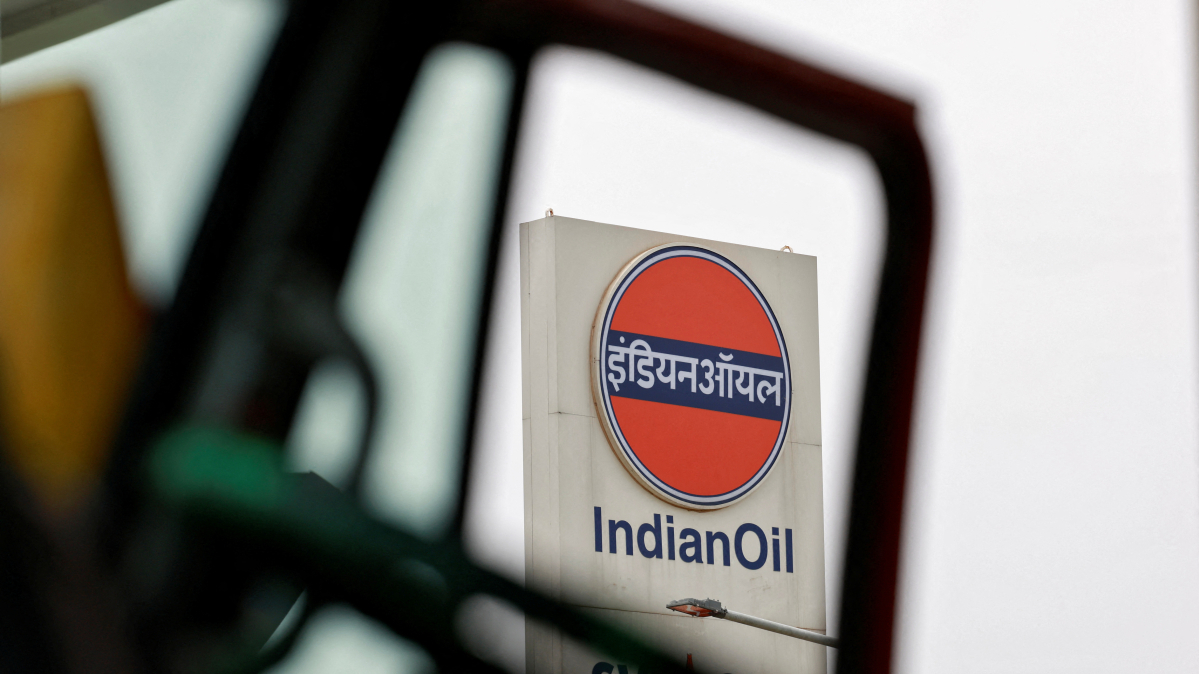
India’s largest oil refiner, Indian Oil Corporation (IOC), has taken a significant step towards diversifying its crude oil supply by purchasing Colombian crude, from state oil company Ecopetrol, for the first time.
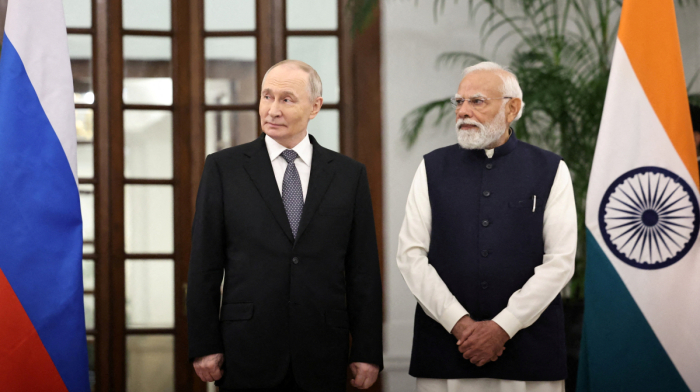
The move comes as India’s imports of Russian oil declines amid tightening sanctions from the U.S. and European Union.
The deal involves the purchase of two million barrels of Castilla crude, a heavy, high-sulphur grade produced in Colombia. Delivery is scheduled for late February 2026.
The deal includes an option that would allow the IOC to scale up purchases to as much as 12 million barrels, signaling potential for a longer-term supply relationship between the Indian refiner and Colombian producers.
This marks a notable change in sourcing strategy for Indian Oil, which has historically relied heavily on supplies from Russia and the Middle East.
Since 2022, Russia had emerged as one of India’s largest crude suppliers, offering discounted barrels after Western sanctions reshaped global oil flows. However, those supplies are now showing signs of strain.
In December, India’s imports of Russian oil are expected to fall to around 1.2 million barrels per day, the lowest level in three years.
Latin America has increasingly featured on the radar of Indian refiners looking to reduce overdependence on any single region. Colombia, Brazil, and Guyana have all expanded crude production in recent years, offering alternative supply options.
While transportation costs from Latin America are generally higher than those from the Middle East, refiners may see value in spreading geopolitical and supply risks across multiple regions.
As India is the world’s third-largest oil importer, securing diverse and reliable crude supplies remains a strategic priority.
Fears of wider escalation grow despite President Donald Trump saying U.S. strikes on Iran could end within weeks. Meanwhile missile attacks, tanker incidents and rising casualties across Israel, Lebanon and the Gulf heighten risks to regional stability and energy routes.
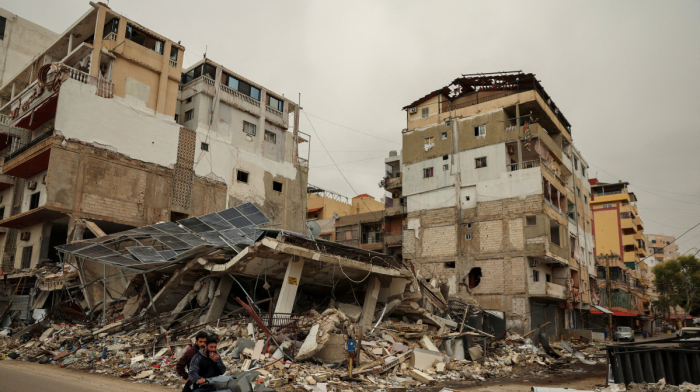
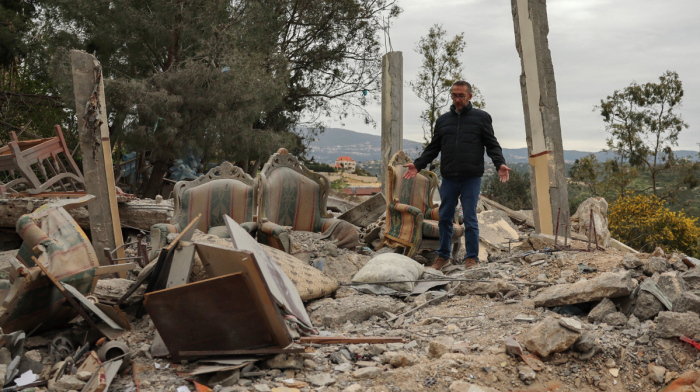
There are fears of an oil spill after a drone strike hit a Kuwaiti oil tanker near Dubai on Tuesday, while U.S.-Israeli strikes in Iran reportedly killed at least two people. A loud explosion was heard in Beirut in southern Lebanon early Wednesday, as oil prices climbed above $100 a barrel.
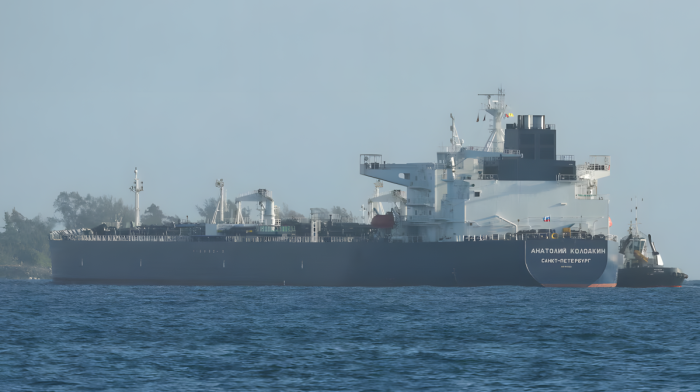
Russian-flagged tanker carrying approximately 700,000 barrels of crude oil docked at Cuba's Matanzas oil terminal on Tuesday, shipping data confirmed, marking a vital and controversial delivery to an island paralysed by severe energy shortages and a suffocating U.S. blockade.
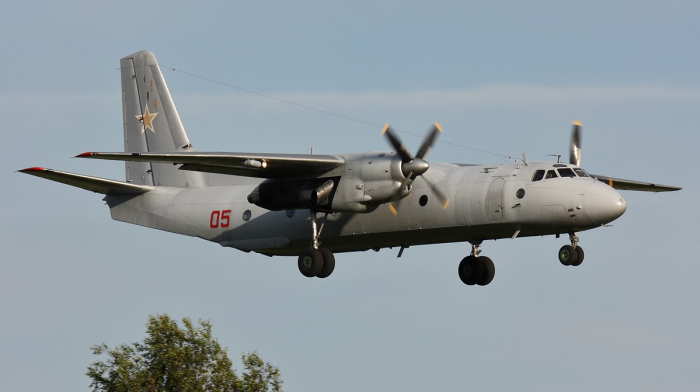
A Russian military An-26 aircraft has crashed in Crimea, killing all 30 people on board, Russia’s Defence Ministry has confirmed.
Explosions were heard in the Syrian capital Damascus as Israeli air defences intercepted Iranian missiles, Syrian state television reported on Tuesday.
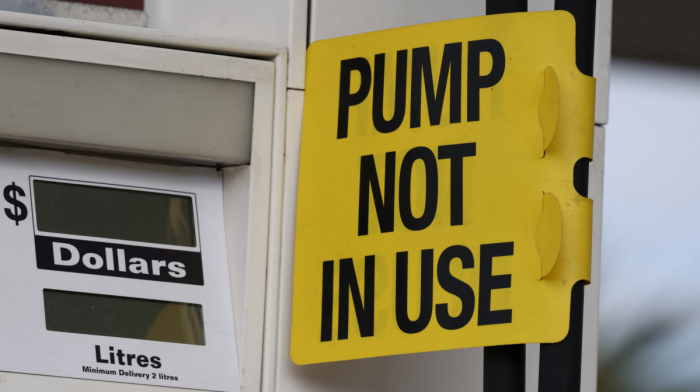
The U.S. national average retail price of petrol rose above $4 a gallon for the first time in over three years on Monday (30 March), according to GasBuddy data, as the U.S.–Israeli war with Iran continued to roil global energy markets.
Japan and Indonesia will deepen coordination on energy security, Tokyo said, as the U.S.-Israeli war on Iran disrupts vital oil and gas flows to Asia.
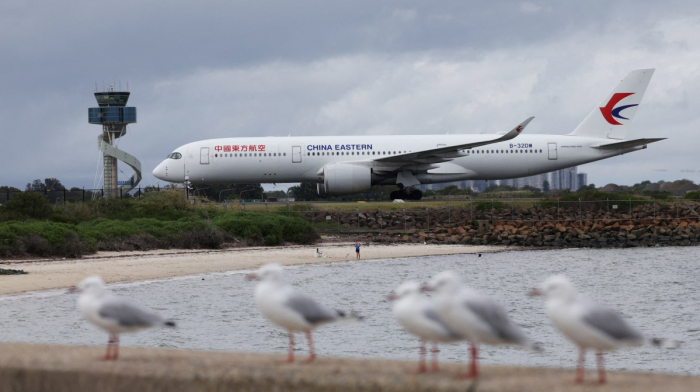
China's three largest state-owned airlines have issued warnings regarding their financial outlook for the current year, acknowledging that the eruption of war involving Iran has driven jet fuel prices to unsustainable highs.
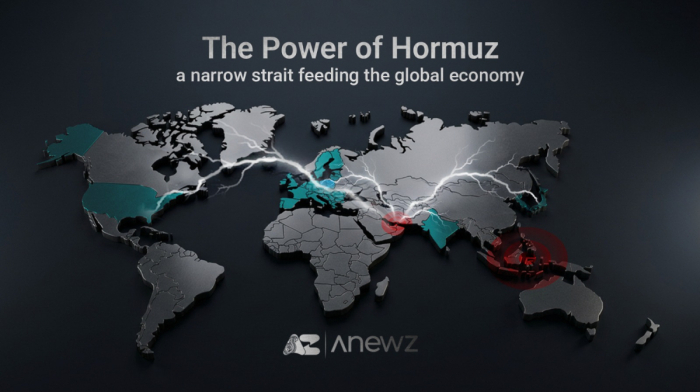
Stock markets across Asia fell on Monday as escalating conflict involving Iran drove oil prices sharply higher, fuelling fears of inflation and a potential global recession, with investors reacting to disruption risks in the Strait of Hormuz and prolonged hostilities.
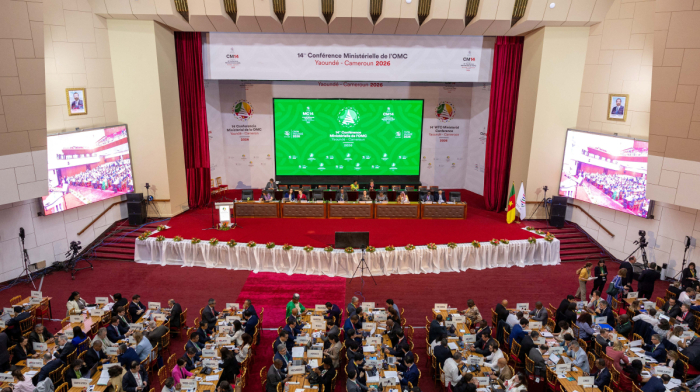
World Trade Organization (WTO) talks broke up with no agreement on Monday on a plan for reform or even on extending a moratorium on e-commerce, piling more pressure on the trade body that finds itself increasingly sidelined by economic nationalism.
You can download the AnewZ application from Play Store and the App Store.
What is your opinion on this topic?
Leave the first comment