Former Kyrgyz MP Shairbek Tashiev has been detained in a corruption investigation linked to state oil firm Kyrgyzneftegaz, as the case expands to include members of a powerful political family.
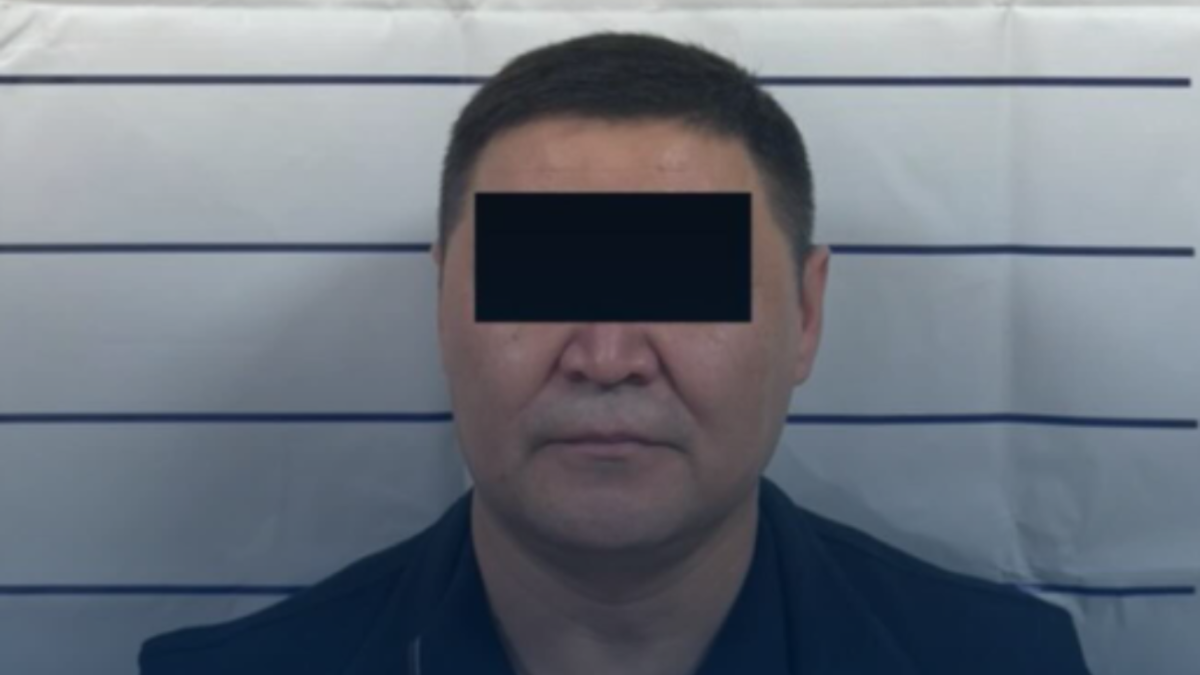
Tashiev, the brother of former State Committee for National Security (GKNB) head Kamchybek Tashiev, was taken into custody by the Ministry of Internal Affairs and placed in a temporary detention facility in Bishkek as part of an ongoing criminal inquiry.
Investigation broadens to family network
The detention follows earlier developments in the same case, in which Kamchybek Tashiev himself was questioned by investigators and designated as a witness. In the weeks since, the inquiry has widened, with increasing scrutiny directed at his relatives and close associates, indicating a broadening investigation rather than an isolated prosecution.
According to official statements, the case centres on alleged corruption in the oil sector. Tax authorities say members of the Tashiev family may have generated substantial profits over several years through intermediary firms.
Investigators describe a possible scheme in which close relatives, including the former security chief’s son and brother, controlled the resale of petroleum products produced by a state refinery affiliated with Kyrgyzneftegaz. The refinery, according to investigators, was managed by a nephew of Tashiev, potentially enabling a closed system of distribution and control.
Strategic oil firm at centre of case
The allegations place the state-owned company at the heart of the case. Kyrgyzneftegaz remains a strategic asset in Kyrgyzstan’s energy sector, responsible for the extraction, refining and sale of oil and petroleum products.
Allegations involving such an enterprise carry broader economic and political significance, particularly in a system where control over key industries is closely tied to political influence.
Political backdrop raises questions
The investigation is unfolding against a backdrop of significant political change. On 10 February, President Sadyr Japarov dismissed Kamchybek Tashiev from his post as head of the GKNB, citing the need to prevent divisions within society.
The decision came shortly after the publication of an appeal calling for early presidential elections, signed by dozens of individuals, some of whom were later detained on charges of organising mass unrest.
His removal was followed by a wider reshaping of the political landscape. Several allies were dismissed from their positions, while lawmakers associated with him, including the parliamentary speaker, relinquished their mandates.
Legal case or political shift?
These developments have reinforced the perception that the investigation is unfolding alongside a redistribution of influence within the country’s ruling elite.
Within Kyrgyzstan, the case is increasingly viewed through both legal and political lenses. While authorities present it as an anti-corruption inquiry, the sequence of events has led many observers to interpret it as part of a broader rift between President Sadyr Japarov and his former ally Kamchybek Tashiev, with potential long-term implications for the country’s balance of power.













What is your opinion on this topic?
Leave the first comment