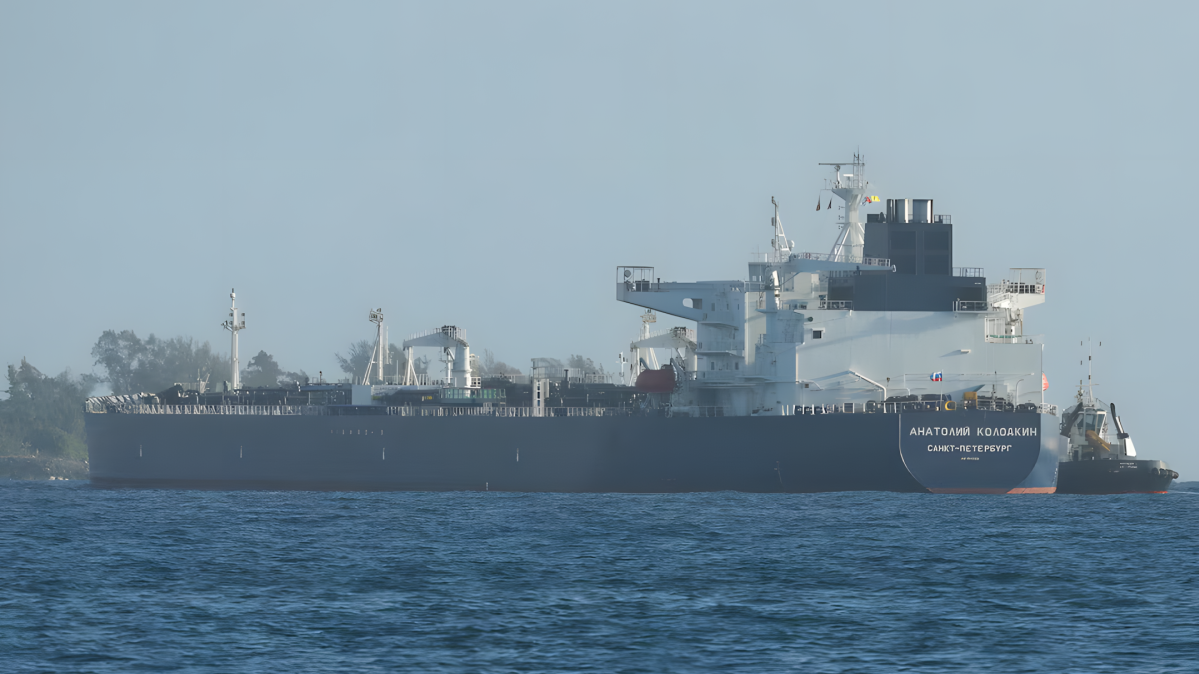
Russian-flagged tanker carrying approximately 700,000 barrels of crude oil docked at Cuba's Matanzas oil terminal on Tuesday, shipping data confirmed, marking a vital and controversial delivery to an island paralysed by severe energy shortages and a suffocating U.S. blockade.
The arrival of the Anatoly Kolodkin, a vessel operating under stringent U.S. sanctions, represents the first substantial fuel delivery to Cuba since President Donald Trump's administration abruptly severed the nation's energy supply lines earlier this year.
The Aframax tanker entered Cuban territorial waters late on Sunday, navigating conspicuously close to the U.S. Navy base at Guantanamo Bay, before finally entering Cuba's largest fuel storage facility under clear skies, according to LSEG tracking data.
In a rare diplomatic concession, the U.S. State Department confirmed it was permitting the sanctioned tanker to discharge its cargo on strict humanitarian grounds, temporarily waiving the aggressive restrictions placed on all oil supplies to Cuba, including those originating from the Russian Federation.
Desperate reprieve for Havana
For the Cuban populace, exhausted by months of unrelenting blackouts that have severely disrupted daily life, the sight of the 250-metre tanker docking at the Matanzas facility was met with palpable relief.
"This is like finding water in the desert," remarked Marino Galvez, a 66-year-old Matanzas resident who had gathered on the city's waterfront boulevard to watch the vessel's arrival.
His sentiment echoes the desperation felt across a nation where the energy crisis has crippled an already dilapidated electrical grid, severely hindered healthcare services, stalled public transportation, and decimated agricultural output.
According to President Miguel Diaz-Canel, Cuba had not received a single oil tanker in three months prior to Tuesday’s arrival. Once fully discharged and refined, this influx of crude is expected to provide the Communist-run government with critical, albeit temporary, breathing room amidst the escalating pressure from the Trump administration.
The logistical reality, however, dictates that the relief will not be immediate. According to estimates published on social media by the Cuban Foreign Ministry, it will take between 25 and 35 days before the oil can be fully processed at the island’s aging refineries and distributed across the domestic grid.
The Anatoly Kolodkin is carrying Russian Urals, a medium sour crude that is chemically well-suited for processing in Cuba's Soviet-era refining infrastructure. The Foreign Ministry outlined that approximately 40% of the cargo will be converted into heavy fuel oil dedicated strictly to powering the island's ailing thermoelectric plants. A further 35% will be refined into diesel for both power generation and vital transportation, 15% will become gasoline, and the remaining 10% will be processed into cooking gas and related domestic products.
Geopolitics and the U.S. blockade
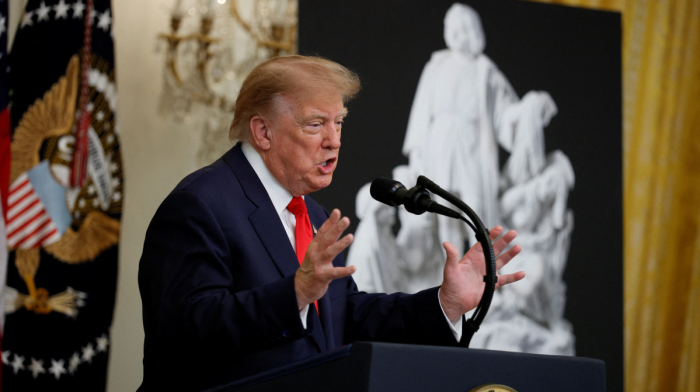
The severe energy famine currently gripping Cuba is a direct consequence of a dramatic shift in U.S. foreign policy earlier this year. The Trump administration effectively halted all Venezuelan oil exports to Cuba following the shock capture of Venezuelan President Nicolas Maduro by U.S. forces on 3 January. Subsequently, President Trump threatened to slap punishing secondary tariffs on any nation that dared to send crude to the island. Consequently, Mexico - historically one of Cuba's largest suppliers alongside Venezuela - abruptly halted its shipments to avoid economic retaliation from Washington.
This geopolitical vacuum provided an opening for Moscow. When asked on Monday if further Russian shipments would follow the Anatoly Kolodkin, Kremlin spokesman Dmitry Peskov was unequivocal.
"In the desperate situation that Cubans now find themselves in, this, of course, cannot leave us indifferent, so we will continue to work on this," Peskov told reporters in Moscow, signalling Russia's intent to maintain its strategic foothold in the Western Hemisphere.
In response to the shifting optics, the Trump administration stated on Monday that it would review the possibility of permitting further oil shipments to Cuba strictly on a "case-by-case" basis, ensuring that any allowed deliveries are tied directly to verifiable humanitarian needs rather than government stockpiling.
The immediate future of Cuba’s energy security remains highly precarious. Before the Anatoly Kolodkin was granted clearance, another tanker, the Sea Horse, which was carrying Russian diesel intended for Havana, was forced to reroute to Venezuela after remaining stranded for weeks in the middle of the Atlantic due to the U.S. naval blockade. It remains entirely unclear if the Sea Horse and several other tankers originally bound for Cuba will now attempt to discharge their vital cargo at Cuban ports following the White House's sudden softening of what had previously been an impenetrable blanket blockade.

















What is your opinion on this topic?
Leave the first comment