live Iran reopens Hormuz Strait, demands end to U.S. naval blockade- Saturday 18 April
Iran temporarily reopened the Strait of Hormuz on Friday (17 April) following a ceasefire agreement in Lebanon, ra...
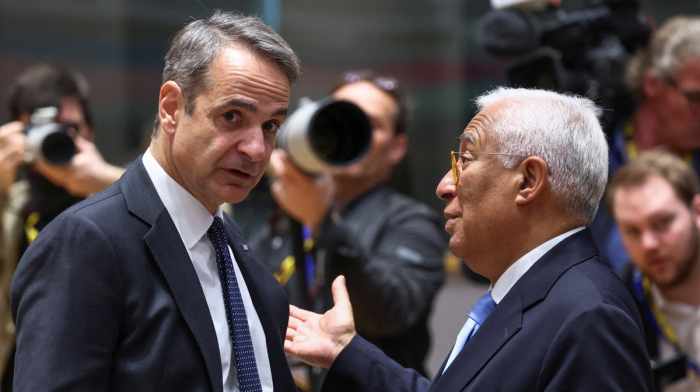
Britain said on Thursday that around 40 countries are exploring ways to reopen the Strait of Hormuz, a vital oil shipping route effectively blocked by Iran amid ongoing conflict. The U.S. did not take part in the discussions.
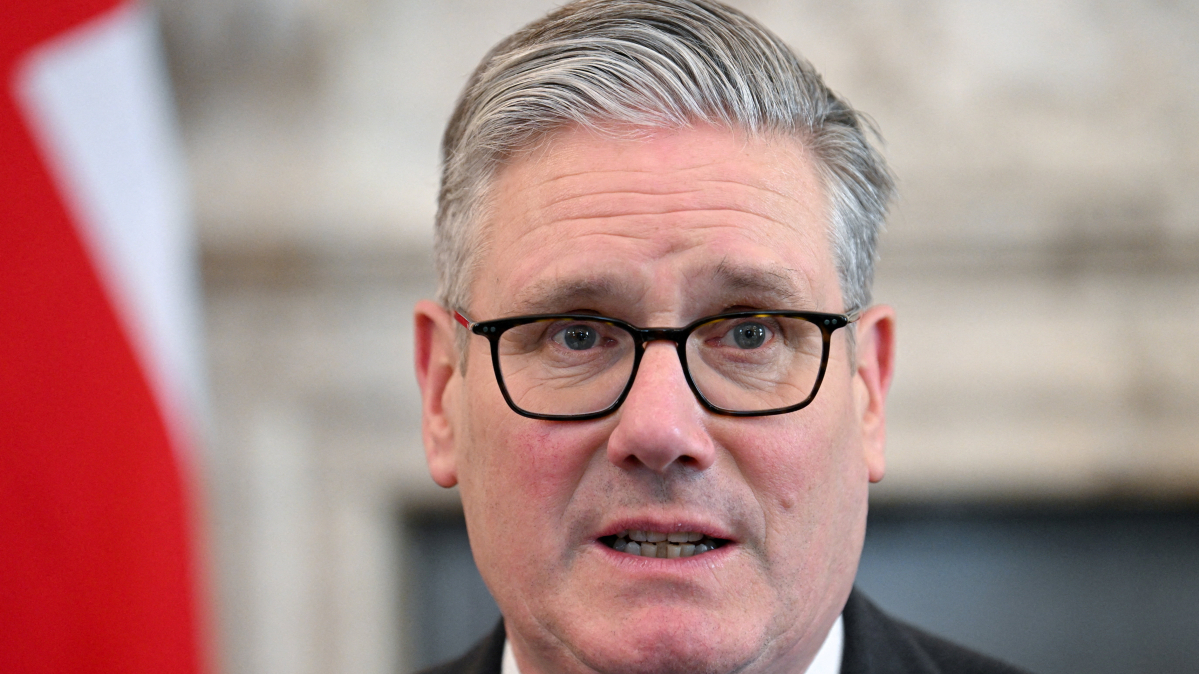
British Foreign Secretary Yvette Cooper chaired the virtual meeting, joined by representatives from France, Germany, Canada, the United Arab Emirates and India. She described Iran’s blockade as “reckless” and warned it was “hitting our global economic security.”
“We have seen Iran hijack an international shipping route to hold the global economy hostage,” Cooper told reporters ahead of the closed-door discussions.
The talks are focusing on both diplomatic and military responses. Britain said it would host a meeting of military planners next week to examine how countries could coordinate naval and air assets, share intelligence, and reassure shipowners so that shipping can resume safely.
French Armed Forces spokesperson Guillaume Vernet said the process would be multi-phased, adding that security guarantees for vessels would only be possible once hostilities ease.
Meanwhile, President Emmanuel Macron warned that a military seizure of the Strait would be “unrealistic” and extremely risky, citing threats from Iran’s Revolutionary Guards and its ballistic missile capabilities.
The discussions reflect growing international concern over rising energy prices and the wider economic impact of the Strait’s closure, a key artery for global oil supplies.
The past 24 hours of the Russia-Ukraine war have seen a drastic escalation in both aerial bombardment and frontline losses.
Iran reopened the Strait of Hormuz to commercial shipping on Friday (17 April) for the first time since the U.S. and Israel killed Iran's ex-Supreme Leader in air strikes, triggering the Middle East conflict, at the end of February. A U.S. blockade on Iranian ports, however, remains in force.
Russia published addresses of manufacturers allegedly producing drones or components for Ukraine on Wednesday (15 April), warning European countries against plans to step up UAV supplies to Kyiv.
Netflix shares fell sharply on Friday after the streaming group issued a weaker-than-expected outlook and said chairman and co-founder Reed Hastings will step down from the board.
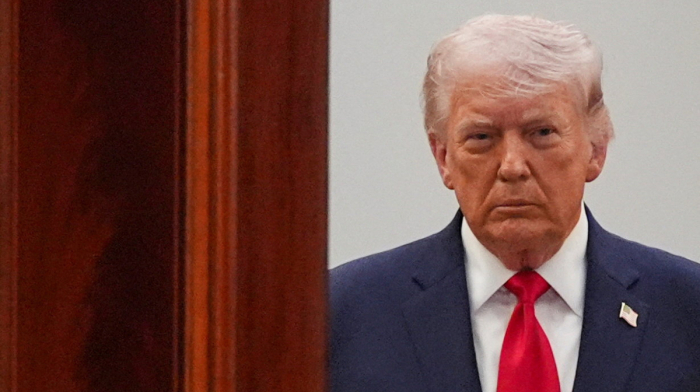
U.S. President Donald Trump says Israeli and Lebanese leaders have agreed to a 10-day ceasefire that includes Hezbollah, raising cautious hopes of a pause in hostilities after weeks of escalating tensions.
Iran temporarily reopened the Strait of Hormuz on Friday (17 April) following a ceasefire agreement in Lebanon, raising optimism about peace talks, but Tehran warned that it could close the crucial waterway again if the recent U.S. Navy blockade of Iranian ports continued.
Global shipping through the Strait of Hormuz has shown signs of partial recovery after Iran announced it was open to commercial vessels during a limited ceasefire, though uncertainty remains over security conditions and compliance rules.
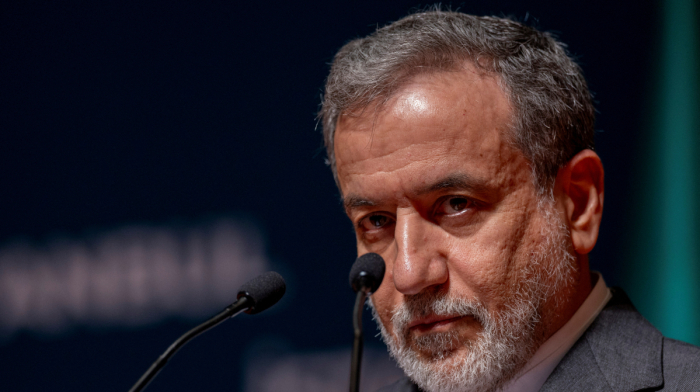
The Strait of Hormuz has reopened, Iran’s Foreign Minister Abbas Araghchi and U.S. President Donald Trump said on Friday (17 April), although Washington warned its naval blockade on Iran would remain until a peace deal is reached.
Iran reopened the Strait of Hormuz to commercial shipping on Friday (17 April) for the first time since the U.S. and Israel killed Iran's ex-Supreme Leader in air strikes, triggering the Middle East conflict, at the end of February. A U.S. blockade on Iranian ports, however, remains in force.
Iran has cautiously welcomed the ten-day ceasefire between Israel and Lebanon stressing that it is an integral part of Tehran’s set of its conditions for an end to the ongoing conflict with Washington.
You can download the AnewZ application from Play Store and the App Store.
What is your opinion on this topic?
Leave the first comment